Explain coding in qualitative analysis and your codebook process
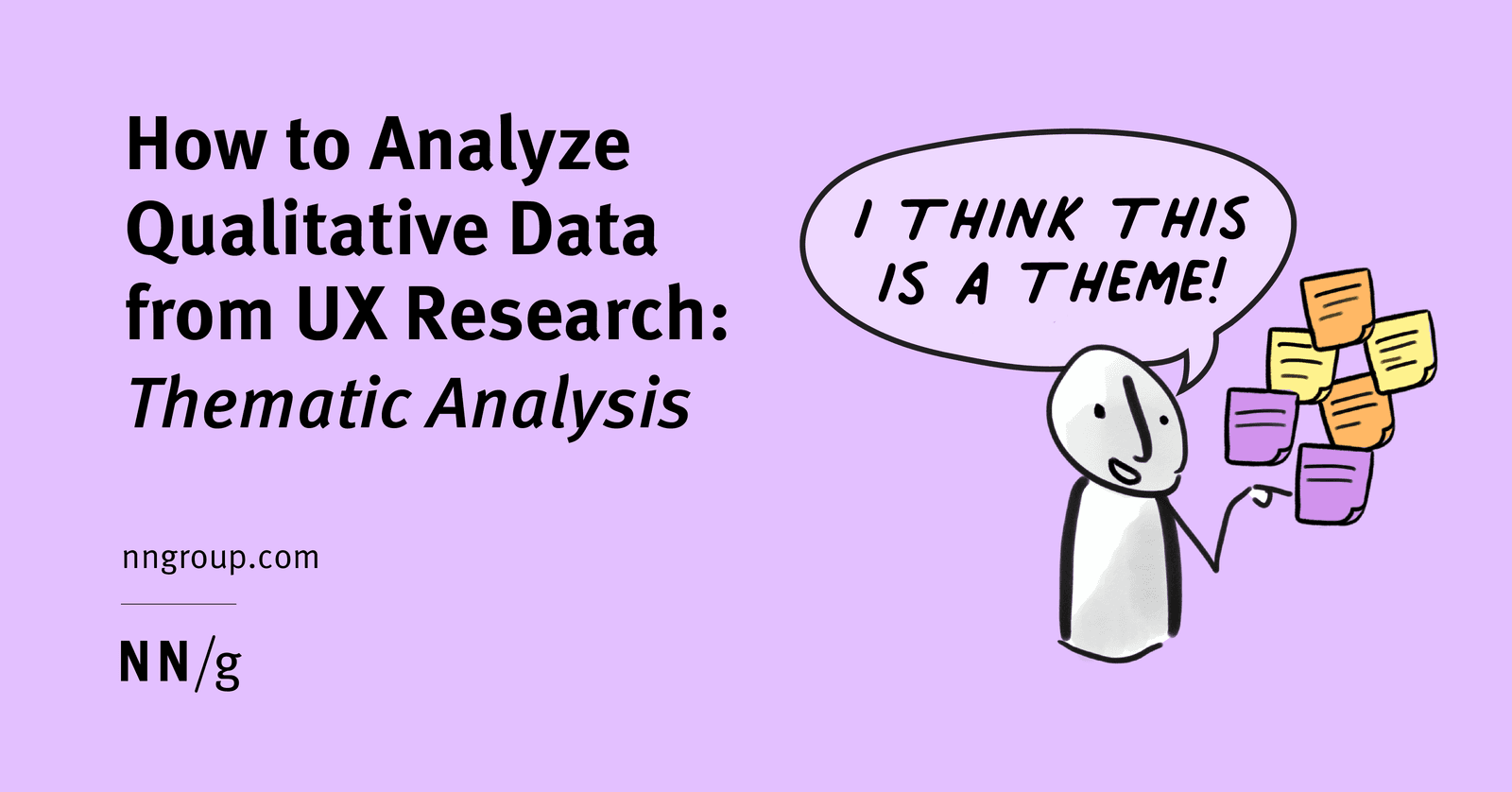
Tests systematic tagging of observations/quotations to discover themes, not ad-hoc skimming. Strong answers mention uploading transcripts to software or affinity diagramming, and stress that themes emerge across multiple participants.
WHAT THIS TESTS: Whether you view qualitative coding as a systematic method for breaking down data or as informal note-taking. Interviewers want to know if you can organize rich interview data without falling into superficial skimming, and if you understand that codes serve the larger goal of thematic analysis.
A GOOD ANSWER COVERS: First, define coding as tagging individual observations and quotations with appropriate codes. This is the core mechanism of thematic analysis. Second, explain the purpose: coding breaks down and organizes rich data from transcripts or field notes so you can discover significant themes. Third, describe your process as systematic rather than ad-hoc. Mention uploading raw transcripts into data-analysis software, or using journaling and affinity diagramming techniques, to keep the work organized and focused. Fourth, clarify what a theme is: a description of a belief, practice, or need that emerges when related findings appear multiple times across participants or data sources. A single code does not equal a theme until you see the pattern repeat.
COMMON WRONG ANSWERS: Treating the analysis as a summary of memorable quotes or interesting moments without tagging every relevant observation. Regurgitating what participants said without applying analytical thinking. Failing to mention that themes must emerge across multiple participants, which leads to reporting one-off details as findings. Working without a systematic process, which causes wasted time and misdirected analysis because the original research goals get lost in the volume of data.
LIKELY FOLLOW-UPS: How do you handle data that contradicts your initial assumptions or contains conflicting viewpoints from different participants? How do you decide whether a pattern is a theme versus an outlier? What do you do when the volume of transcript data feels overwhelming?
ONE CONCRETE EXAMPLE: After conducting user interviews, you upload transcripts into qualitative analysis software. You read through each transcript and tag observations and direct quotations with short descriptive codes. As you code, you use a journal to note early hunches. Once coding is complete, you group related codes using affinity diagramming. You only promote a code to a theme when the same belief or behavior appears multiple times across participants, ensuring the finding is grounded in the data rather than driven by a single vivid quote.
Read the original → nngroup.com
Get five bites like this every day.
Tezvyn delivers a daily feed of 60-second tech bites with quizzes to lock in what you learn.