FastAPI Container Build and Deploy Pipeline
Treat the Docker image as the immutable artifact: one build runs everywhere. Deploy FastAPI workers behind a load balancer, one process per container. The footgun is baking secrets into the image or running multiple processes; that breaks horizontal scaling.
WHY IT EXISTS: Shipping Python environments is fragile. A FastAPI app works on your laptop but fails in production because of missing system libraries, mismatched Python versions, or hidden state in the server. Containers freeze the entire filesystem and dependencies into an image so the artifact you test is the exact artifact you run. This eliminates works-on-my-machine bugs and turns deployment into moving a binary-like image rather than syncing code and praying the target server matches.
THE MENTAL MODEL: Think of the container image as the deployable unit, not the Git repository. You build once, then ship that image through staging to production. The container itself should be stateless and disposable. If you need more throughput, you do not make the container fatter; you spin up more container instances behind a load balancer. The image is immutable infrastructure: versioned, replaceable, and free of snowflake configuration.
HOW IT WORKS: You write a Dockerfile that installs Python, copies your FastAPI code and requirements, and sets a CMD instruction in exec form to start Uvicorn. Docker builds layers and caches them so unchanged dependencies do not rebuild. You then start the container, exposing the port. For local development you might use Docker Compose, but for production you deploy the built image. The FastAPI docs recommend one process per container, letting the orchestrator handle replication rather than running multiple Uvicorn workers inside a single container. This keeps signal handling clean and failure domains small.
WHEN TO USE IT: Use this when you need reproducible deployments across development, staging, and production. It is essential when running behind a TLS termination proxy or a load balancer that distributes traffic across multiple worker containers. It also fits when you want to use a base image with a fast package manager like uv to shrink build times. Anytime you need horizontal scaling or automated restarts, containerized deployment is the path.
WHEN NOT TO USE IT: Do not use a container as a persistent state store; any data written inside a container disappears when the container restarts. Do not bake configuration secrets into the image because anyone with image access can read them. Avoid running multiple processes per container unless you have a special case, since this complicates signal handling and breaks the single-responsibility model that makes horizontal scaling simple. If your application requires heavy local disk persistence, mount external volumes instead of writing to the container layer.
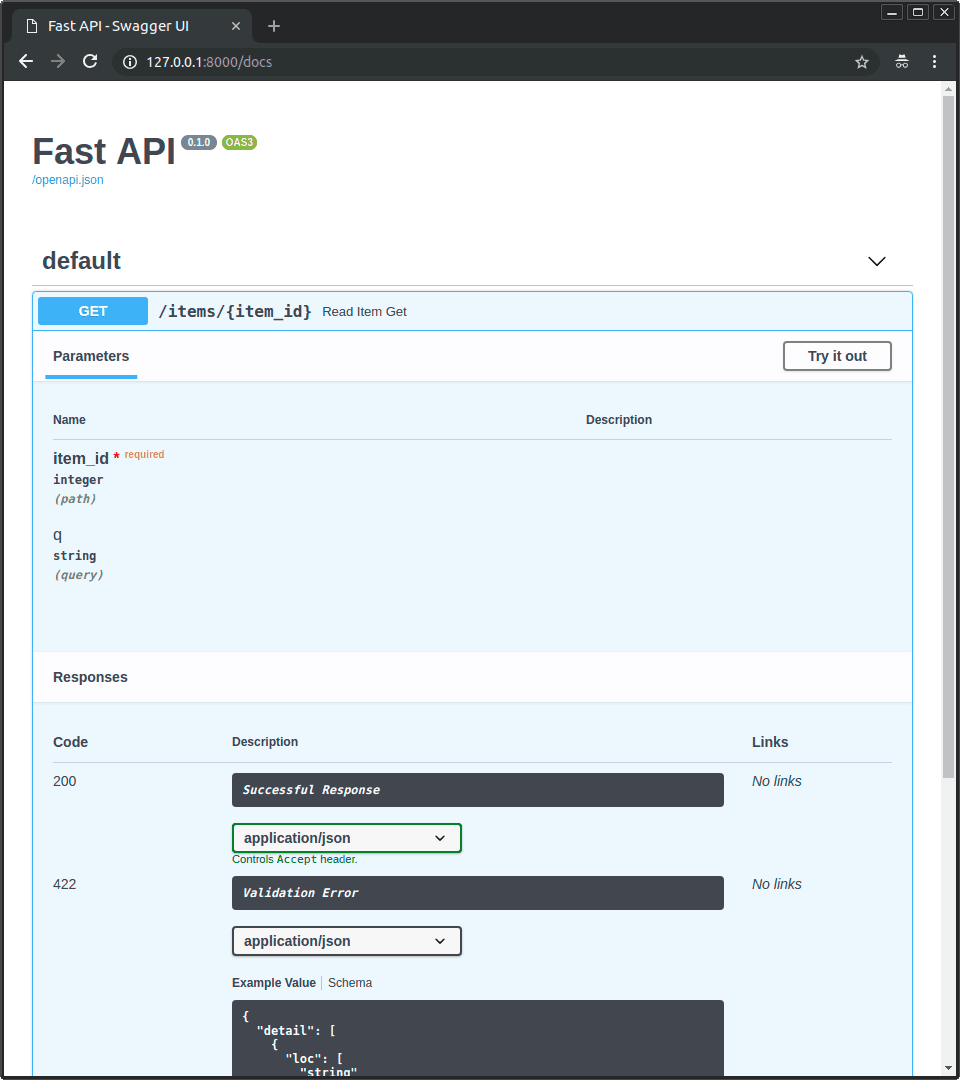
ONE CANONICAL EXAMPLE: A canonical FastAPI deployment builds a Docker image with a single-file application, starts the container to verify the interactive API docs, then deploys that same image behind a load balancer with multiple container replicas. Each replica runs one Uvicorn process. If traffic spikes, the platform spins up more containers rather than increasing worker threads inside existing ones. This pattern appears in the official FastAPI container guide, which walks through Dockerfile creation, image building, and running the container with the correct CMD exec form.
Read the original → fastapi.tiangolo.com
Get five bites like this every day.
Tezvyn delivers a daily feed of 60-second tech bites with quizzes to lock in what you learn.