Freemium: Give Away the Basics, Sell the Upgrades
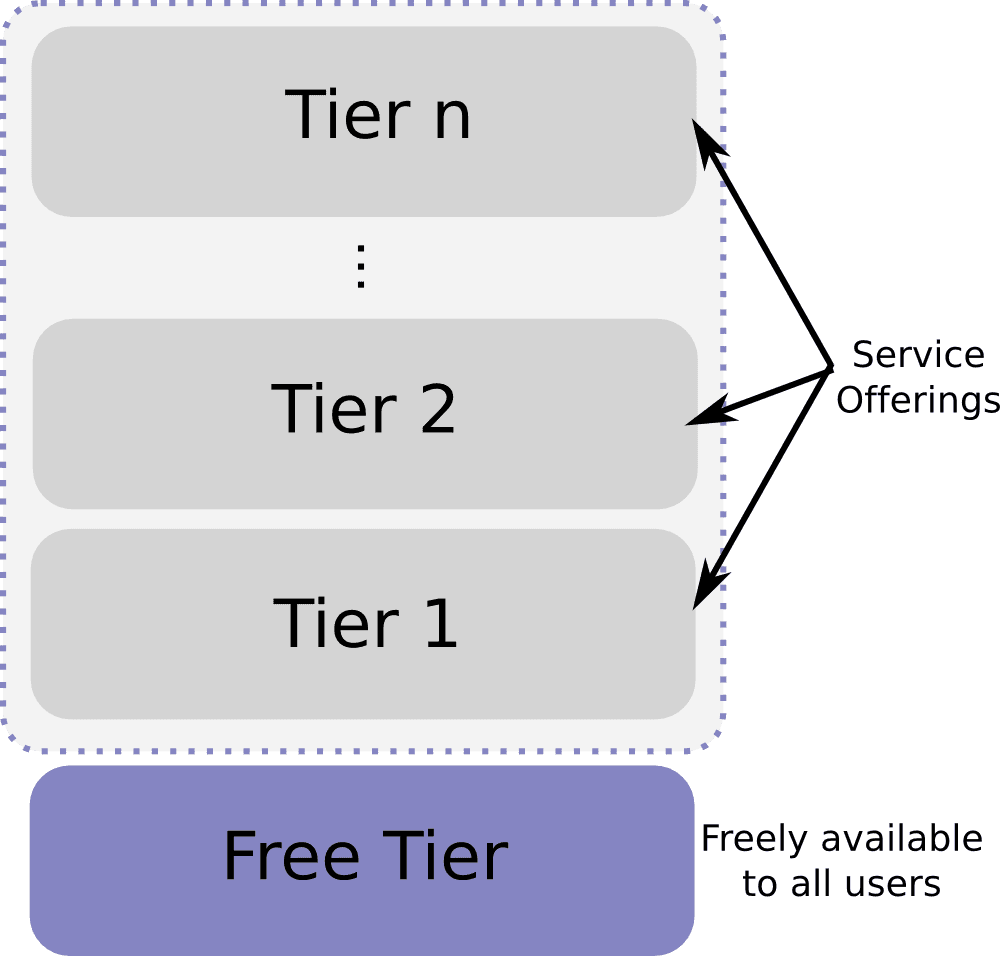
Freemium gives away a useful core product for free to attract a large audience, then sells premium features to a small subset of users. It's common in apps and games. The footgun is miscalibrating the free tier: make it too good and no one pays.
WHY IT EXISTS In crowded digital markets, 'free' is the most effective way to get a user to try a product. The freemium model was created to dramatically lower the barrier to user acquisition, letting a product gain traction and build a massive user base without a huge upfront marketing spend.
THE MENTAL MODEL Freemium is a user acquisition strategy disguised as a pricing model. The goal isn't to serve free users forever; it's to create a wide funnel where the free product itself acts as the primary marketing channel for the paid product. The free tier is the bait, the premium tier is the hook.
HOW IT WORKS A company offers a product with a perpetually free tier that is functional but limited. Limitations can be on features (e.g., no team collaboration), capacity (e.g., only 2GB of storage), or usage (e.g., only 10 document edits per month). A small percentage of the user base, typically 1-5%, finds enough value to hit these limits and upgrades to a paid, premium plan. The revenue from this small group of paying customers subsidizes the cost of supporting the entire free user base.
WHEN TO USE IT Freemium works best for software products where the marginal cost of adding a new user is near zero. It's effective when the product's value increases with usage, creating a natural path to upgrading. It's also a powerful strategy in large, competitive markets where capturing initial user attention is the biggest challenge.
WHEN NOT TO USE IT Avoid freemium if the cost to serve each free user is high, such as with products requiring significant human support or physical infrastructure. It's also a poor fit for niche enterprise software where the total market is small and each customer must generate high revenue. If the value isn't obvious in the free version, users won't stick around long enough to consider paying.
ONE CANONICAL EXAMPLE The video game industry's 'free-to-play' model is a perfect example. A game is free to download and play, attracting millions. Revenue comes from players who choose to purchase optional goods like cosmetic character skins or items that speed up progress. The vast majority pay nothing, but the spending of a dedicated minority funds the entire game.
Read the original → en.wikipedia.org
Get five bites like this every day.
Tezvyn delivers a daily feed of 60-second tech bites with quizzes to lock in what you learn.