Randomization: The Key to Trustworthy Experiments
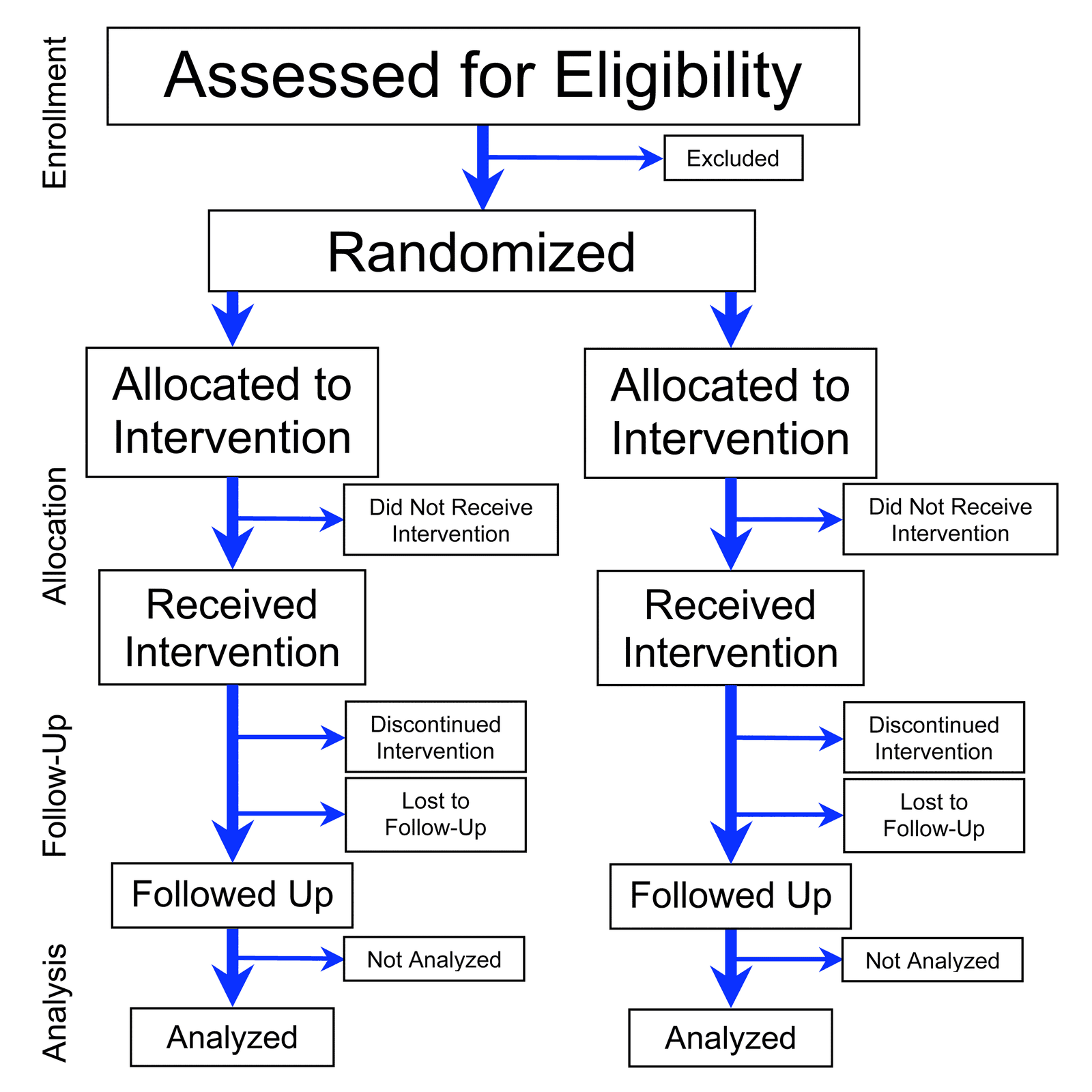
Randomization ensures experimental groups are similar before a test begins, like shuffling cards before dealing. This lets you confidently attribute differences in outcomes to your changes, whether in A/B tests or clinical trials.
WHY IT EXISTS: Experiments aim to answer 'Did my change cause this result?' But what if the group that got the change was already different in some hidden way? For example, if you only showed a new feature to your most active users, you couldn't tell if the feature was good or if the users were just naturally more engaged. Randomization was created to solve this problem of confounding variables and selection bias.
THE MENTAL MODEL: Think of randomization as shuffling a deck of cards before dealing a game. Shuffling ensures that no player gets an unfair advantage due to the previous order of the cards. In an experiment, you 'shuffle' your subjects (e.g., users) and 'deal' them into a control group or a treatment group. This process breaks any pre-existing patterns, ensuring that, on average, both groups are comparable across all characteristics—age, location, activity level, etc.—before the test even begins.
HOW IT WORKS: The process is straightforward. First, you define your population of subjects. Second, you define your treatments, which must include a control or baseline group. Third, for each subject entering the experiment, you use a provably random method, like a cryptographically secure random number generator, to assign them to one of the groups. This gives every subject an equal and independent chance of being assigned to any group, neutralizing the effect of both known and unknown biases. The only systematic difference remaining between the groups is the treatment itself.
WHEN TO USE IT: Use randomization whenever you need to establish a cause-and-effect relationship. It is the foundation of reliable A/B testing for product features, landing pages, or marketing emails. It's also critical in scientific research, such as clinical trials for new medicines, where you need to know with high confidence that the drug caused the observed health outcome, not some other factor.
WHEN NOT TO USE IT: Randomization isn't always possible or ethical. You cannot randomly assign people to 'smoker' and 'non-smoker' groups to study cancer; you must rely on observational studies instead. It's also not the right tool for purely exploratory data analysis where you are looking for correlations, not testing a specific causal hypothesis.
ONE CANONICAL EXAMPLE: A website wants to test if changing its 'Sign Up' button from blue to green increases registrations. As each new visitor arrives, the system randomly assigns them to see either the blue button (control) or the green button (treatment). After 10,000 visitors, the team sees the green button group has a 20% higher sign-up rate. Because of randomization, they can confidently conclude the color change caused the increase, as other potential factors like traffic source or time of day were evenly distributed between the two groups by chance.
Read the original → en.wikipedia.org
Get five bites like this every day.
Tezvyn delivers a daily feed of 60-second tech bites with quizzes to lock in what you learn.