Everything in Agile & Scrum, page 5
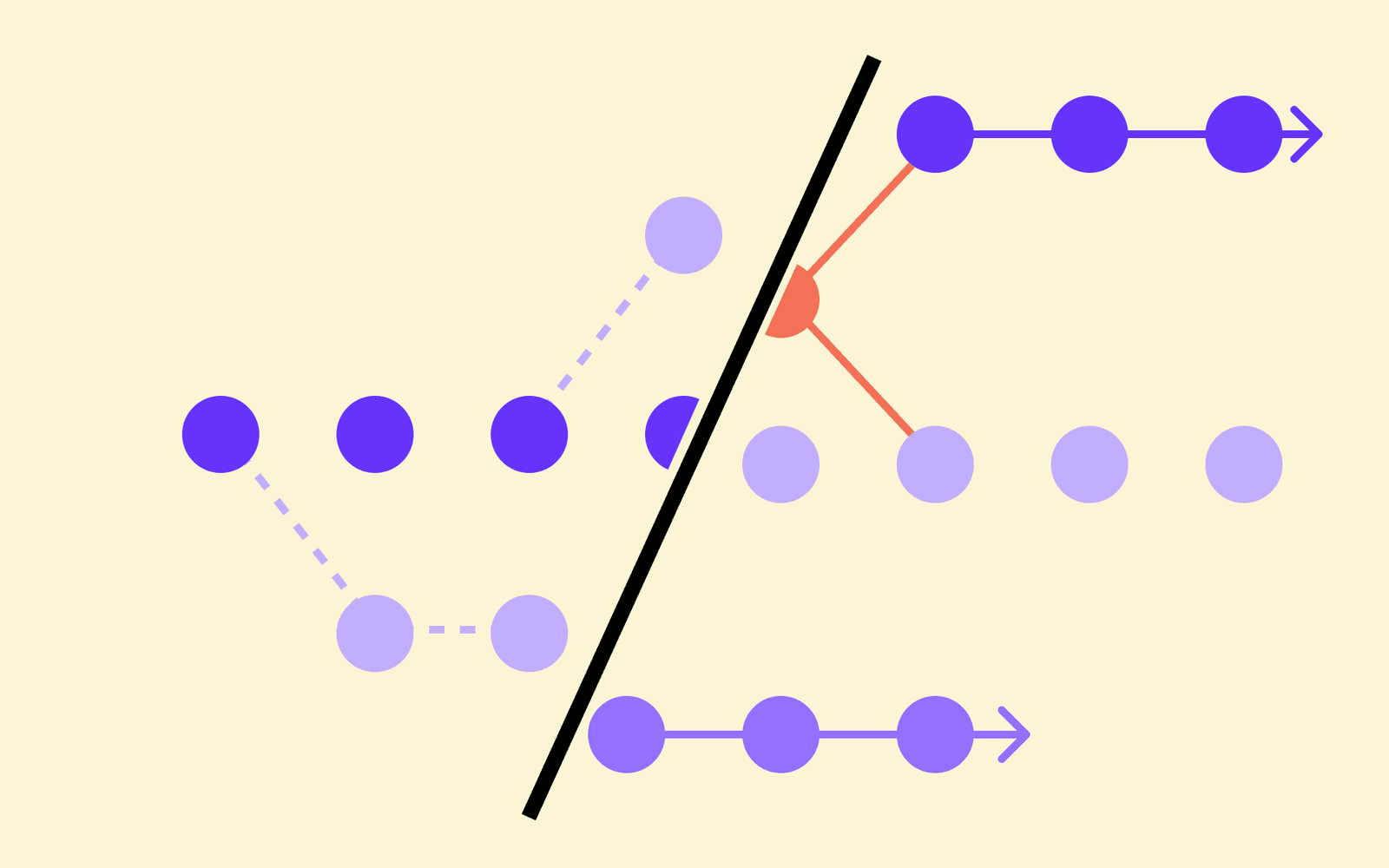
How does trunk-based development with toggles enable frequent, low-risk releases?
Tests decoupling deployment from release via TBD. Strong answers cover daily small trunk merges with toggles hiding unfinished work, plus the cultural leap from GitFlow's isolated branches to continuous integration and toggle hygiene.

What is the Strangler Fig pattern and its use in legacy modernization?
Tests incremental modernization over big-bang rewrites. A strong answer covers the botanical metaphor, building new components alongside legacy, routing traffic, extracting seams, and four activities. Red flag: a long rewrite delivering no value until launch.
How would you introduce Test-Driven Development to a test-after team?
Tests change management and influence without authority. A strong answer maps TDD to team pain points, pilots it on one story type with measurable outcomes like defect rate. Red flag: mandating TDD team-wide immediately or dismissing existing tests.

Describe essential CI/CD stages for a containerized app and critical quality gates
This tests your ability to design a commit-to-prod pipeline with quality controls. A strong answer covers: build and unit tests, vulnerability scanning, staging deployment with integration tests, and production rollout with rollback.
How do you balance emergent design with long-term architectural vision?
Tests reconciling emergent design with intentional architecture. Strong answers cite the architectural runway: just-enough infrastructure ahead via enablers, extended by teams incrementally. Red flag: claiming architecture is fully upfront or purely organic.
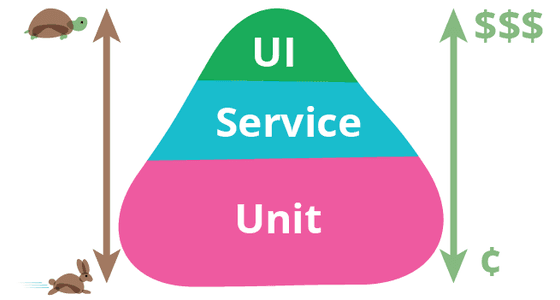
Explain the Test Pyramid and how it guides testing strategy
Favor fast unit tests, a middle service layer, and few UI tests as second defense.
Describe the Red-Green-Refactor cycle in TDD. What is each step's purpose?
This checks if you understand TDD as a design discipline, not just testing. A strong answer maps Red to a failing test defining the interface, Green to minimal passing code, and Refactor to cleaning both codebases without changing behavior.
How should the team address poor internal quality when stakeholders are happy?
Tests whether you protect transparency when stakeholders are happy but quality is poor. Answer: At Review, expose the increment's real state—low transparency causes risky decisions; at Retro, inspect why quality degraded and adapt the process.
How would you shift a Sprint Review from demo to working session?
Tests if you see the Sprint Review as empirical inspection and adaptation with stakeholders. Strong answers reframe it around the Sprint Goal and Increment, gather live feedback on the Product Backlog, and adapt ordering together.
What action ensures a retrospective improvement is implemented?
Tests whether you treat adaptation as a deliverable. Propose making the top improvement a Sprint Backlog item with an owner and definition of done, then inspect it in the next retrospective. Vague agreements or more meetings without ownership are red flags.
Stakeholder rejects a completed feature in Sprint Review. Process and Backlog impact?
Tests whether you see Sprint Review as inspection or sign-off. Strong answers: welcome feedback as new data, keep the Increment Done, and have the Product Owner order new work into the Backlog. Red flag: extending the current Sprint to rework the feature.
What is the Sprint Retrospective output and what happens next?
Output is a concrete improvement plan enacted in the next Sprint, not parked.
How would you handle a mandated Definition of Done with legacy debt?
Tests whether you treat the Definition of Done as a negotiable standard or a rigid rule, and if you know how to close the gap via transparency, incremental remediation, and organizational negotiation without shipping unfinished work.
How would you address a teammate working on misaligned low-priority tasks?
Tests whether you use the Daily Scrum to inspect progress toward agreed goals. Strong answers raise the misalignment at that event, adapt the plan as peers, and involve the Scrum Master only for environmental impediments.
How do you help establish a Sprint Goal when the PO hasn't?
Ask why the items matter, find a unifying outcome, and draft a goal the selected work supports.
Explain the difference between code complete and Done. What artifact defines this?
Tests whether you know Done means a usable Increment, not just written code. Strong answer: code complete is a dev milestone; Done means the Increment meets quality standards. Red flag: saying testing happens after Done or that Done is optional.
Daily Scrum ticket updates: what primary purpose is missing?
This tests whether you know the Daily Scrum inspects Sprint Goal progress and adapts the plan rather than reporting status. A strong answer identifies the missing purpose as team inspection and adaptation against the Sprint Goal.
What is the Sprint Goal and how does it guide planning?
Goal-driven Sprints vs ticket batches. The Sprint Goal is the agreed objective guiding selection of ordered backlog items to build a valuable Increment and enable inspection. Red flag: calling it optional or pulling the top N items without negotiation.

What root causes and retrospective fixes address chronic sprint overcommitment?
Tests systemic diagnosis over blaming the team. Check capacity math, refinement quality, psychological safety, and stakeholder pressure; propose velocity-guided planning, capacity recalculation, and better refinement.

How would you break a large epic into sprint-ready user stories?
This tests decomposing scope into vertical, shippable slices. A strong answer maps user journeys, slices end-to-end functionality, applies INVEST, and sequences by risk and value. Red flag: horizontal layers like database, API, then UI.
We are hiring for this. Every open role lists the topics its interview covers, so you can prepare for the real thing rather than guessing.
See open roles