More in Product Management — page 25
How do you differentiate an MVP from a throwaway prototype architecturally?
WHAT IT TESTS: MVA discipline separating disposable prototypes from supportable MVPs. ANSWER OUTLINE: Distinguish by user commitment; define bounded contexts with stable interfaces; favor reversible decisions and day-one observability.
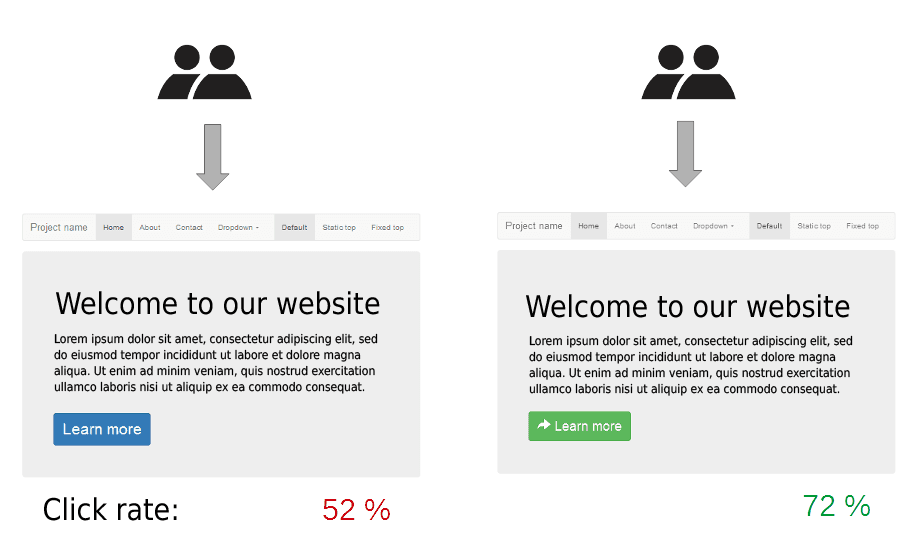
How would you implement an A/B test for a redesigned dashboard?
Tests experiment rigor: randomize stable user buckets, pick one primary metric and guardrails like latency, pre-calculate sample size and runtime with a minimum detectable effect, and validate via backend logging.
Describe your role as an engineer in story refinement
WHAT IT TESTS: Do you treat refinement as shared transparency or a PO handoff? ANSWER OUTLINE: Mention feasibility probes, acceptance criteria checks, and splitting for forecast clarity.

What user story details reveal the customer problem?
This tests if you see stories as problem placeholders, not specs. A strong answer asks for user role, action, 'so that' value, and confirmation criteria while demanding conversation. Red flag: listing technical tasks without mentioning the customer problem.
When should cross-cutting concerns use a shared versus duplicated solution?
WHAT IT TESTS: Judging coupling versus duplication in emergent design. ANSWER OUTLINE: Weigh change frequency and blast radius; decide via fitness function or ADR, not default shared code. RED FLAG: Mandating one shared library for all cross-cutting concerns.
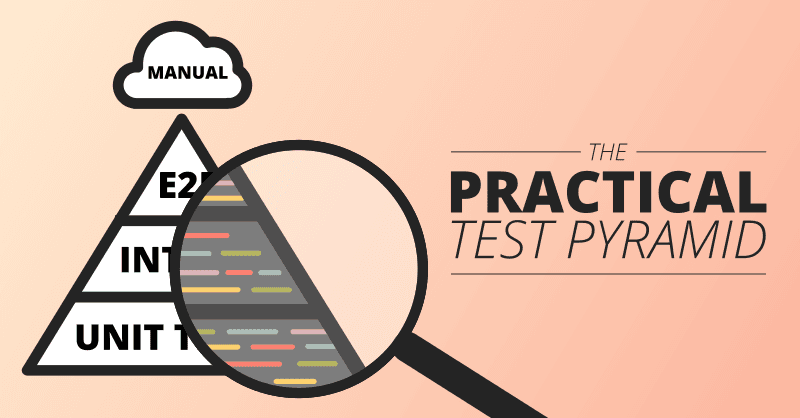
Propose a multi-sprint strategy to fix an inverted test pyramid
WHAT IT TESTS: Refactoring under delivery pressure. ANSWER OUTLINE: Audit E2E for redundancy; scaffold unit/integration tests; migrate per sprint, keep critical E2E; gate on fast feedback. RED FLAG: Big-bang rewrites or deleting all E2E without a safety net.
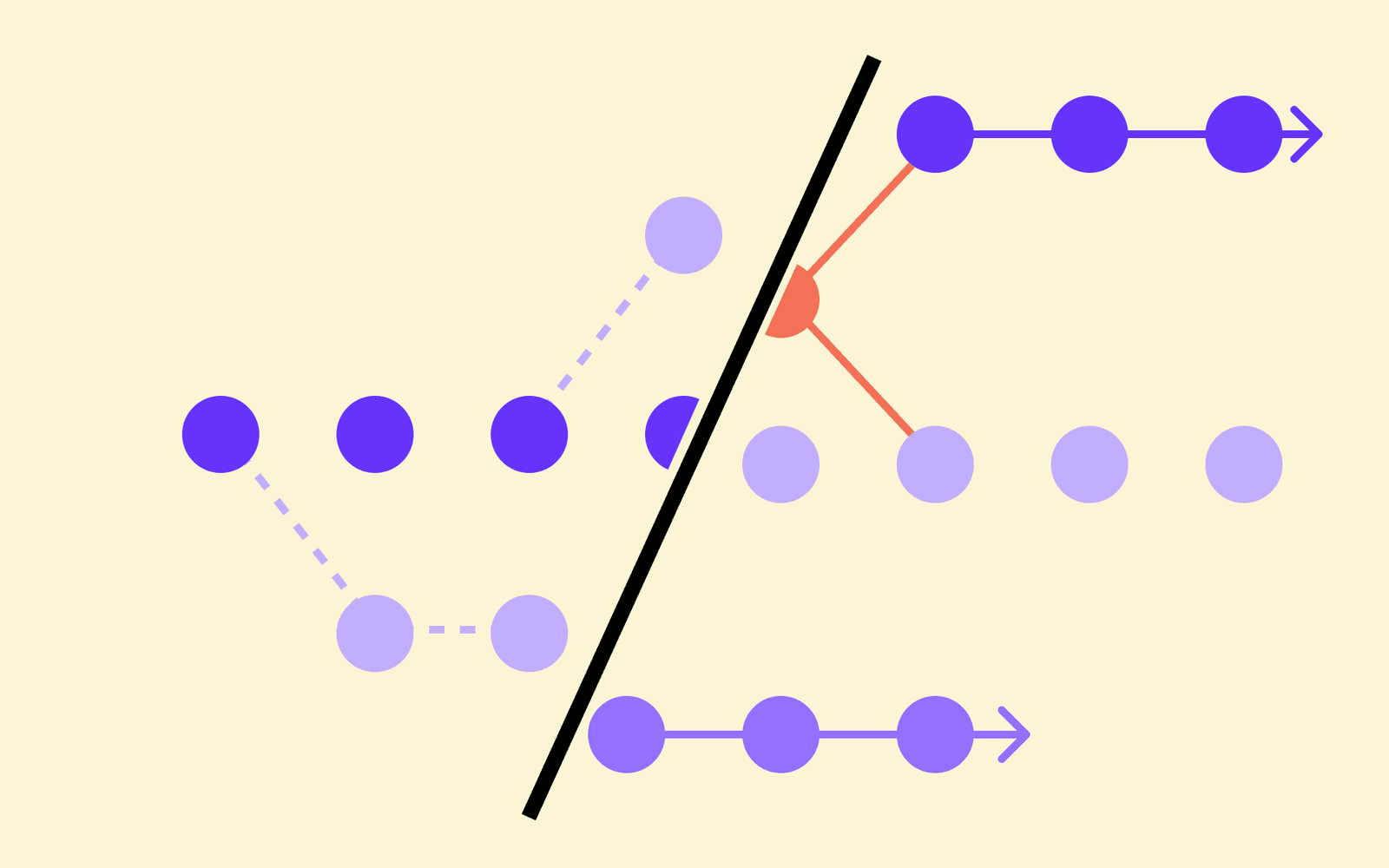
How does trunk-based development with toggles enable frequent, low-risk releases?
Tests decoupling deployment from release via TBD. Strong answers cover daily small trunk merges with toggles hiding unfinished work, plus the cultural leap from GitFlow's isolated branches to continuous integration and toggle hygiene.

What is the Strangler Fig pattern and its use in legacy modernization?
Tests incremental modernization over big-bang rewrites. A strong answer covers the botanical metaphor, building new components alongside legacy, routing traffic, extracting seams, and four activities. Red flag: a long rewrite delivering no value until launch.
How would you introduce Test-Driven Development to a test-after team?
Tests change management and influence without authority. A strong answer maps TDD to team pain points, pilots it on one story type with measurable outcomes like defect rate. Red flag: mandating TDD team-wide immediately or dismissing existing tests.

Describe essential CI/CD stages for a containerized app and critical quality gates
This tests your ability to design a commit-to-prod pipeline with quality controls. A strong answer covers: build and unit tests, vulnerability scanning, staging deployment with integration tests, and production rollout with rollback.
How do you balance emergent design with long-term architectural vision?
Tests reconciling emergent design with intentional architecture. Strong answers cite the architectural runway: just-enough infrastructure ahead via enablers, extended by teams incrementally. Red flag: claiming architecture is fully upfront or purely organic.
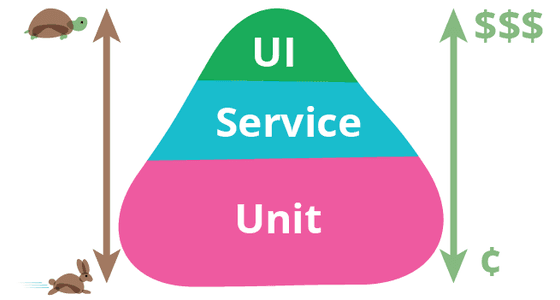
Explain the Test Pyramid and how it guides testing strategy
WHAT IT TESTS: Your grasp of test cost, speed, and brittleness by layer. ANSWER OUTLINE: Favor fast unit tests, a middle service layer, and few UI tests as second defense. RED FLAG: Treating it as a fixed ratio or saying all end-to-end tests need a.
Describe the Red-Green-Refactor cycle in TDD. What is each step's purpose?
This checks if you understand TDD as a design discipline, not just testing. A strong answer maps Red to a failing test defining the interface, Green to minimal passing code, and Refactor to cleaning both codebases without changing behavior.
How should the team address poor internal quality when stakeholders are happy?
Tests whether you protect transparency when stakeholders are happy but quality is poor. Answer: At Review, expose the increment's real state—low transparency causes risky decisions; at Retro, inspect why quality degraded and adapt the process.
How would you shift a Sprint Review from demo to working session?
Tests if you see the Sprint Review as empirical inspection and adaptation with stakeholders. Strong answers reframe it around the Sprint Goal and Increment, gather live feedback on the Product Backlog, and adapt ordering together.
What action ensures a retrospective improvement is implemented?
Tests whether you treat adaptation as a deliverable. Propose making the top improvement a Sprint Backlog item with an owner and definition of done, then inspect it in the next retrospective. Vague agreements or more meetings without ownership are red flags.
Stakeholder rejects a completed feature in Sprint Review. Process and Backlog impact?
Tests whether you see Sprint Review as inspection or sign-off. Strong answers: welcome feedback as new data, keep the Increment Done, and have the Product Owner order new work into the Backlog. Red flag: extending the current Sprint to rework the feature.
What is the Sprint Retrospective output and what happens next?
WHAT IT TESTS: Whether you see Retrospectives as adaptation events or venting. ANSWER OUTLINE: Output is a concrete improvement plan enacted in the next Sprint, not parked. RED FLAG: Calling the output feedback with no action mechanism.
How would you handle a mandated Definition of Done with legacy debt?
Tests whether you treat the Definition of Done as a negotiable standard or a rigid rule, and if you know how to close the gap via transparency, incremental remediation, and organizational negotiation without shipping unfinished work.
How would you address a teammate working on misaligned low-priority tasks?
Tests whether you use the Daily Scrum to inspect progress toward agreed goals. Strong answers raise the misalignment at that event, adapt the plan as peers, and involve the Scrum Master only for environmental impediments.