More in Product Management — page 29

A key metric dropped 20%. How would you investigate?
This tests systematic diagnosis of critical issues. A great answer segments the drop (by region, platform), then traces data upstream from the dashboard to the source, correlating with technical metrics. A red flag is jumping to code before scoping the impact.
Design a self-service analytics platform for non-technical users
Tests your ability to abstract SQL. A great answer outlines a semantic layer for virtual datasets, a no-code drag-and-drop UI, and a backend that translates UI state into SQL queries. A red flag is describing only a SQL editor, ignoring non-technical users.
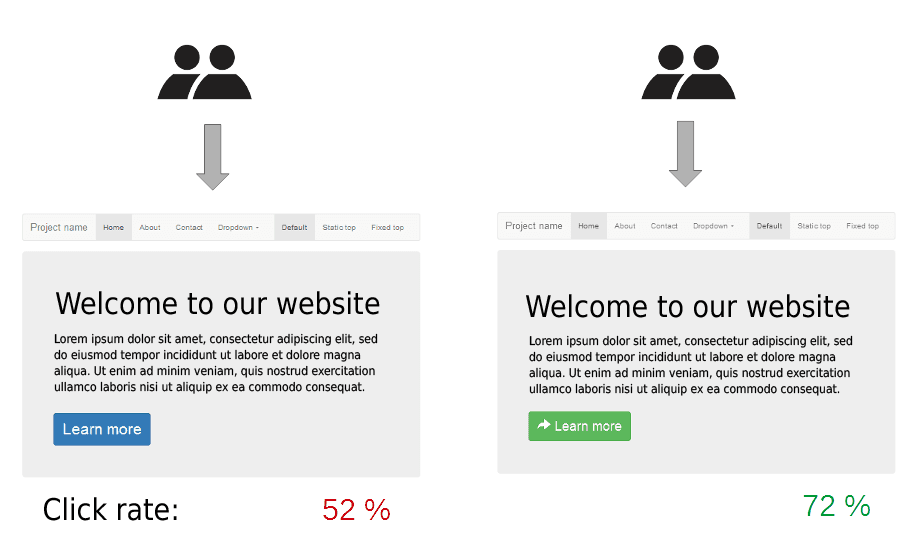
Design an A/B Testing Framework
This tests your ability to design a scalable system with statistical rigor for non-experts. A great answer outlines config management, deterministic user hashing, a data pipeline for metrics, and a results UI that simplifies stats.
How would you design a data quality monitoring system?
This tests your systematic approach to data reliability. A strong answer defines quality dimensions (freshness, volume, schema), proposes specific checks, and outlines an alerting strategy. A red flag is listing checks without tying them to business impact.

Propose a technical architecture for a centralized Metrics Layer.
This tests your grasp of data governance and semantic layers. A great answer outlines a system with a central definition store (e.g., YAML in Git), a query engine, and an API, ensuring all teams get consistent metric results.
Instrumenting a New User Interaction in a Mobile App
Tests your understanding of the end-to-end analytics pipeline. A good answer defines the event, instruments it on the client with an SDK, verifies it in a debug view, and confirms its arrival in the data warehouse after the ETL process.
How would you build a weekly active user dashboard?
This tests translating a business need into a technical spec. First, clarify the definition of "active." Then, identify the event data needed (user_id, timestamp). Finally, outline the ETL and BI tool steps. A red flag is not clarifying the metric first.
Design an experiment to isolate long-term impact from novelty effect
Tests if you can design experiments for long-term impact, not just short-term lift. A good answer involves a long-running test, segmenting users by tenure, and modeling the effect over time to find its stable asymptote.
Design a Real-Time Analytics Pipeline for Mobile Events
This tests your grasp of low-latency streaming architectures. A good answer outlines ingestion (SDK to Kafka/Kinesis), real-time processing (Flink/Spark), and sinking to a fast OLAP database (Druid/ClickHouse). A red flag is proposing a batch-based ETL design.

Design a data model for tracking feature adoption
This tests your grasp of data warehouse star schemas for analytics. Outline a fact table for events and dimension tables for users and features, explaining how this structure enables fast, ad-hoc cohort analysis for a product manager.

Explain cohort analysis and write a retention query
Tests your grasp of user behavior metrics. First, define a cohort (e.g., May signups). Then, explain why it's better than aggregate retention. Finally, outline a query grouping users by signup week and checking for activity. A red flag is a flawed query.

Track an 'Export to CSV' button's usage
This tests modeling a feature's full lifecycle (intent, success, failure) in analytics. Propose one custom event like `export_interaction` with a `status` parameter ('success', 'failure') fired on completion, not just on click.
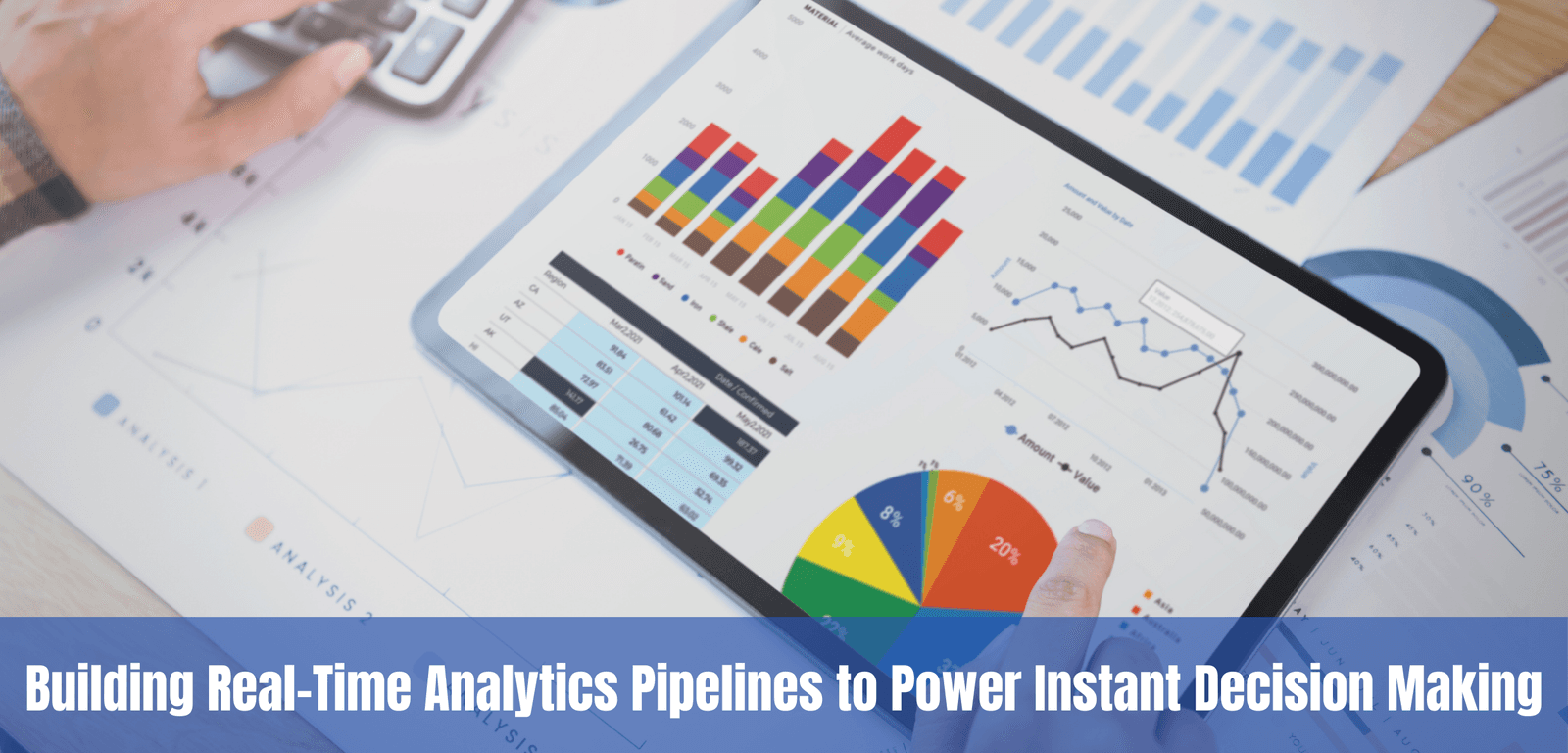
Design a Near Real-Time Analytics Pipeline
Tests your ability to design a low-latency data system and articulate trade-offs. A good answer covers ingestion (Kafka), processing (Flink), storage (Druid), and visualization (Grafana), contrasting the architecture's low latency with a batch setup.
Optimizing a Slow, Expensive Data Warehouse for BI Dashboards
Tests your grasp of data warehouse architecture beyond basic SQL. A great answer covers partitioning/clustering, materialized views for pre-aggregation, and cost controls. A red flag is suggesting only query rewrites or just 'adding more compute'.
Explain event schemas and the purpose of a schema registry
Tests your grasp of data contracts at scale. A good answer defines schemas as contracts, a registry as the enforcer of compatibility (e.g., backward/forward), and explains how this prevents 'poison pill' messages and brittle analytics.
Design a Data Model for a Feature Adoption Dashboard
This tests your ability to translate a business need into a scalable star schema. A great answer defines a central fact table (e.g., fct_feature_usage) and its dimensions (dim_users, dim_features, dim_date).

Describe the role of dbt in a modern analytics stack
Tests your grasp of modern ELT patterns. A good answer explains how dbt uses SQL for in-warehouse transformations, enabling software engineering practices like version control and testing. A red flag is confusing dbt with a full ETL tool or an orchestrator.

Describe tracking a user event from frontend to BI tool
Tests your grasp of the modern data stack. A great answer outlines the five stages: frontend emission, ingestion, loading into a warehouse, transformation, and BI visualization. A red flag is describing only the frontend code and ignoring the data pipeline.

Correlate API Slowness with User Engagement
This tests your ability to design a controlled experiment and join disparate data. A good answer outlines an A/B test with an artificial delay, logging with shared IDs, and statistical analysis. A red flag is proposing a purely observational study.
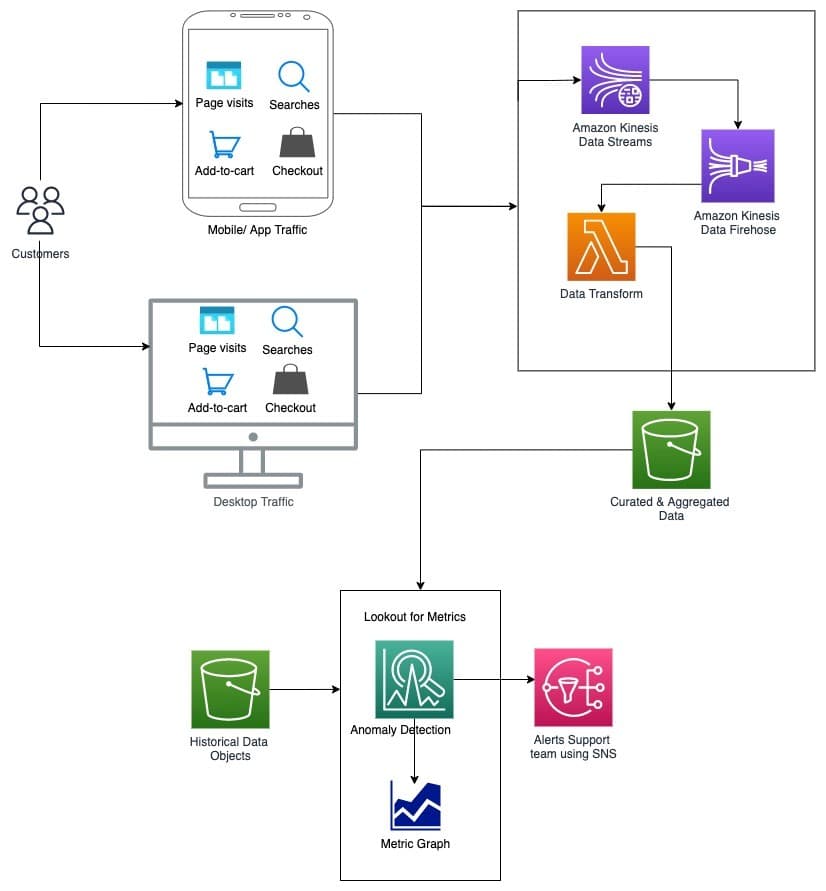
Design a Real-Time Anomaly Detection System for E-commerce Events
This tests your ability to design a real-time data pipeline and apply ML to a business problem. Outline a streaming architecture (e.g., Kinesis), processing, and storage.