Disruptive Innovation: Why 'Good Enough' Often Wins
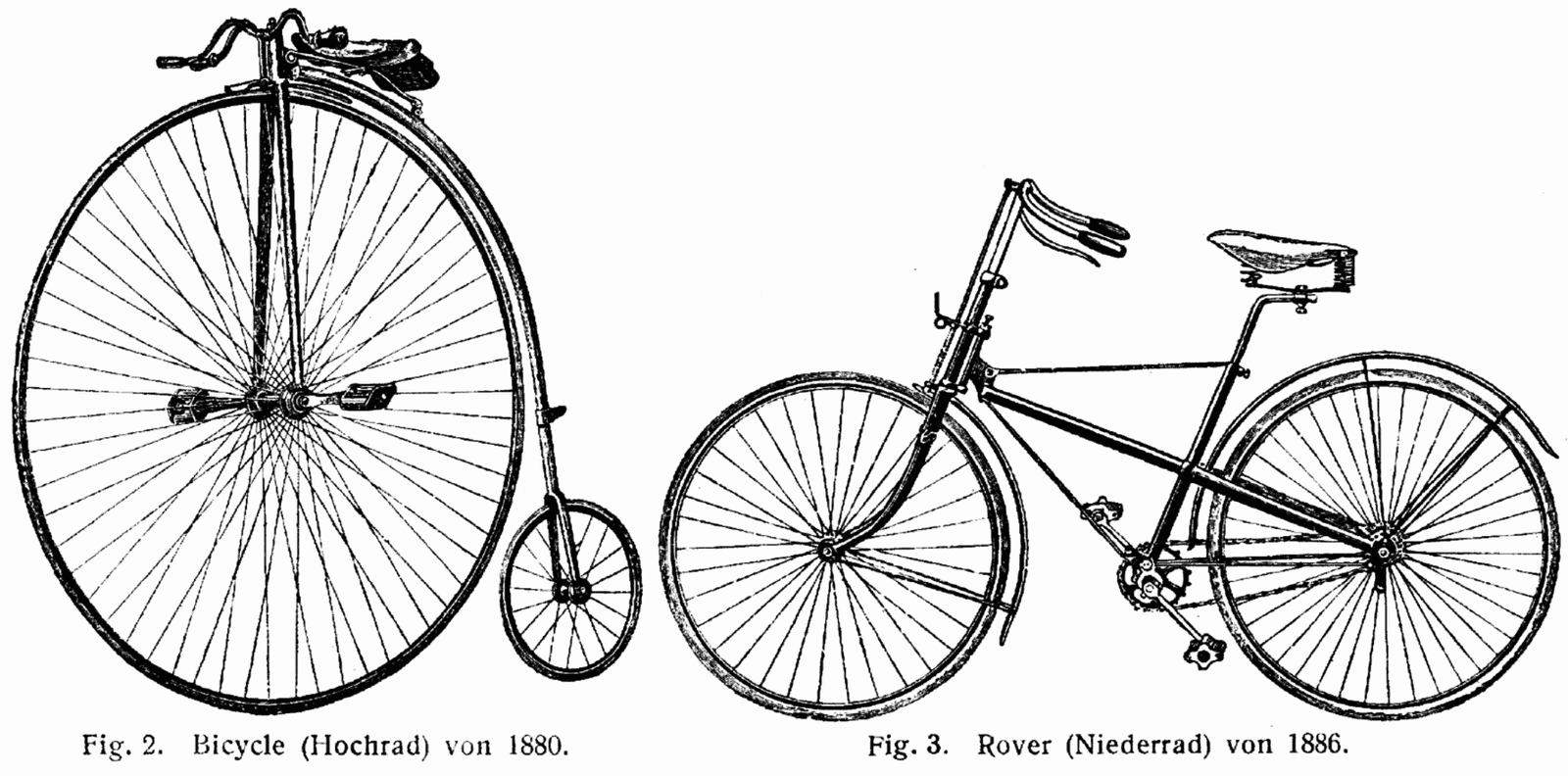
Disruptive innovation isn't a better product, but a simpler, cheaper one incumbents ignore. It wins by serving overlooked customers at the bottom of a market, eventually moving up.
WHY IT EXISTS: To explain how market-leading firms can fail, even when they are well-managed and listen to their customers. The theory of disruptive innovation suggests that by focusing only on their most profitable, high-end customers, incumbents can leave themselves vulnerable to competitors who target overlooked segments from below.
THE MENTAL MODEL: Disruptive innovation is not about building a better mousetrap for existing customers; it's about building a cheaper, simpler one that opens up a whole new market or serves the least profitable one. It's a process where a product takes root in simple applications at the bottom of a market and then relentlessly moves upmarket, eventually displacing established competitors.
HOW IT WORKS: An innovation creates a new market and value network. It enters at the low end, offering a 'good enough' solution that is typically cheaper, smaller, or more convenient than what's offered by incumbents. Established firms often ignore this new entry because it doesn't meet the needs of their most demanding customers. Over time, the disruptive innovation improves its performance on traditional metrics and begins to capture mainstream customers, displacing the former market leaders.
WHEN TO USE IT: Use this concept to identify opportunities in a market dominated by incumbents. A startup can find a foothold by serving customers at the bottom of the market that larger firms deem unprofitable. An established firm can use the lens of disruption to scan the horizon for seemingly insignificant competitors who could become major threats.
WHEN NOT TO USE IT: Do not use 'disruptive' as a synonym for any significant technological breakthrough. An innovation that improves an existing product for existing customers along traditional performance metrics is a 'sustaining innovation,' not a disruptive one. The theory applies specifically to the dynamic of entering at the bottom of a market or creating a new one.
ONE CANONICAL EXAMPLE: The theory describes a specific pattern. Imagine an industry of large, powerful mainframe computers serving big corporations. A new company introduces a small 'personal computer.' It's far less powerful and initially dismissed as a toy. The mainframe companies ignore it because their corporate clients have no use for it. However, the personal computer finds a new market. Over time, its power increases until it becomes 'good enough' for business tasks, eventually displacing mainframes. This is the classic disruptive pattern.
Read the original → en.wikipedia.org
Get five bites like this every day.
Tezvyn delivers a daily feed of 60-second tech bites with quizzes to lock in what you learn.