Edge AI Accelerators: Inference Without the Cloud
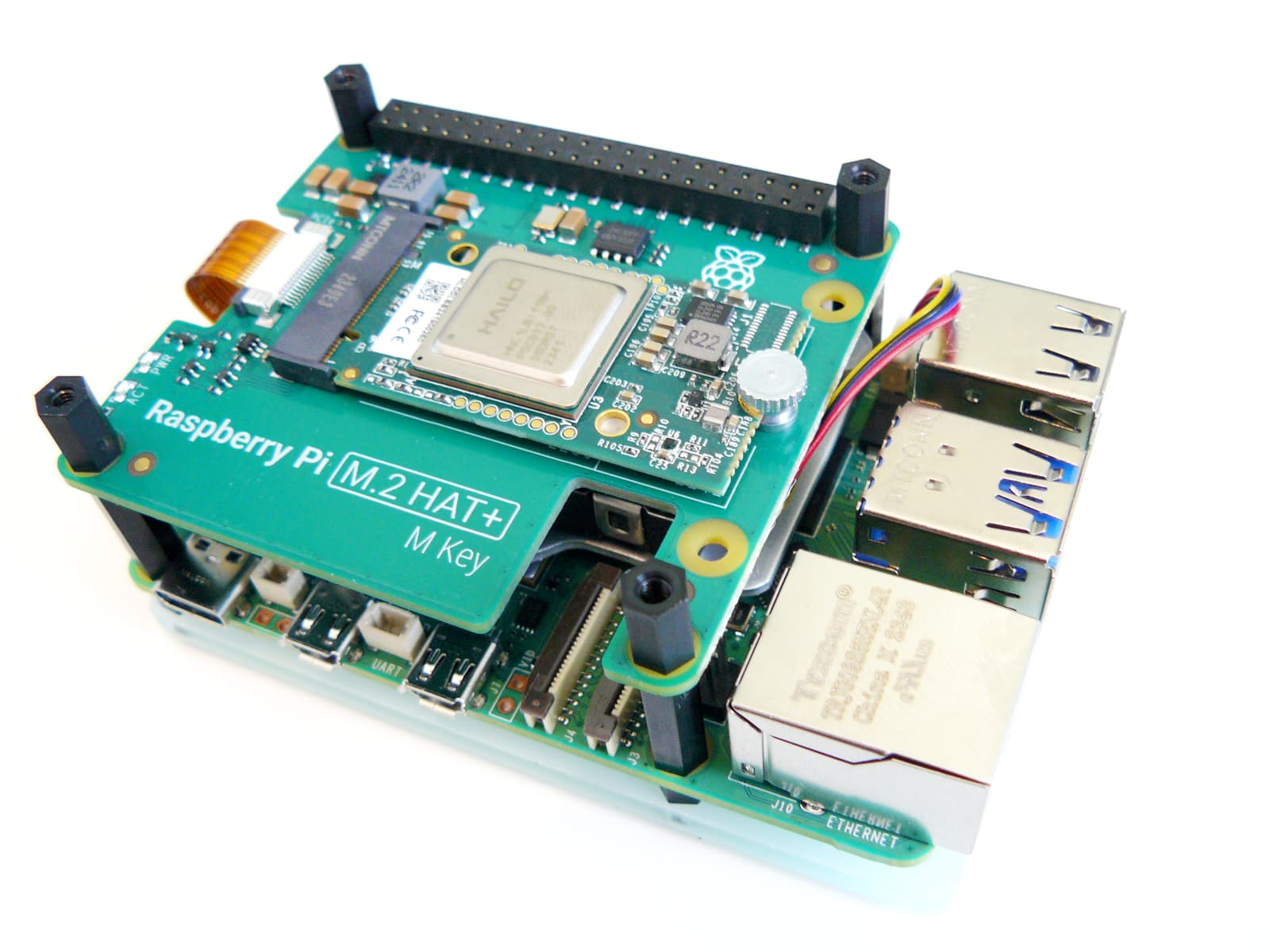
An Edge AI accelerator is a specialized, low-power chip that runs AI models directly on a device, skipping the cloud. It's used for real-time tasks like object detection where latency and privacy are critical.
WHY IT EXISTS To run AI applications locally on devices where sending data to the cloud is too slow, too expensive, or a privacy risk. For a self-driving car or a security camera, waiting for a server response is not an option. Edge AI accelerators solve this by bringing high-speed, low-power computation to the device itself.
THE MENTAL MODEL An Edge AI accelerator is like a specialized calculator for your phone or smart device. While a general-purpose CPU is a jack-of-all-trades, this chip is a master of one: the specific math of neural networks. It performs these calculations incredibly fast and efficiently, enabling real-time AI on battery-powered devices without draining them.
HOW IT WORKS These chips, often called Neural Processing Units (NPUs), contain hardware circuits custom-built for the massive parallel operations in AI models, like matrix multiplication and convolutions. They are optimized for inference, not training. This means they run a model that has already been trained in the cloud, often using lower-precision numbers (like 8-bit integers instead of 32-bit floating points) to maximize speed and minimize power consumption.
WHEN TO USE IT Use an edge accelerator for applications that demand low-latency inference, must operate without an internet connection, handle sensitive data that should not leave the device (like biometrics or medical data), or are deployed on power- and bandwidth-constrained hardware like drones and mobile sensors.
WHEN NOT TO USE IT Do not use an edge accelerator for training AI models from scratch. This process is far too computationally expensive and requires data center-grade GPUs. They are also unnecessary for simple logic that a CPU can handle efficiently or for non-real-time applications where cloud processing is more cost-effective.
ONE CANONICAL EXAMPLE Google's Coral Edge TPU is a small accelerator that can be added to a device like a Raspberry Pi. It's designed to run pre-trained computer vision models, like object detection, at very high speeds while consuming just a few watts of power. This allows developers to add powerful, local AI capabilities to their custom hardware projects.
Read the original → en.wikipedia.org
Get five bites like this every day.
Tezvyn delivers a daily feed of 60-second tech bites with quizzes to lock in what you learn.