Firefox 151 Ships Web Serial API for Hardware
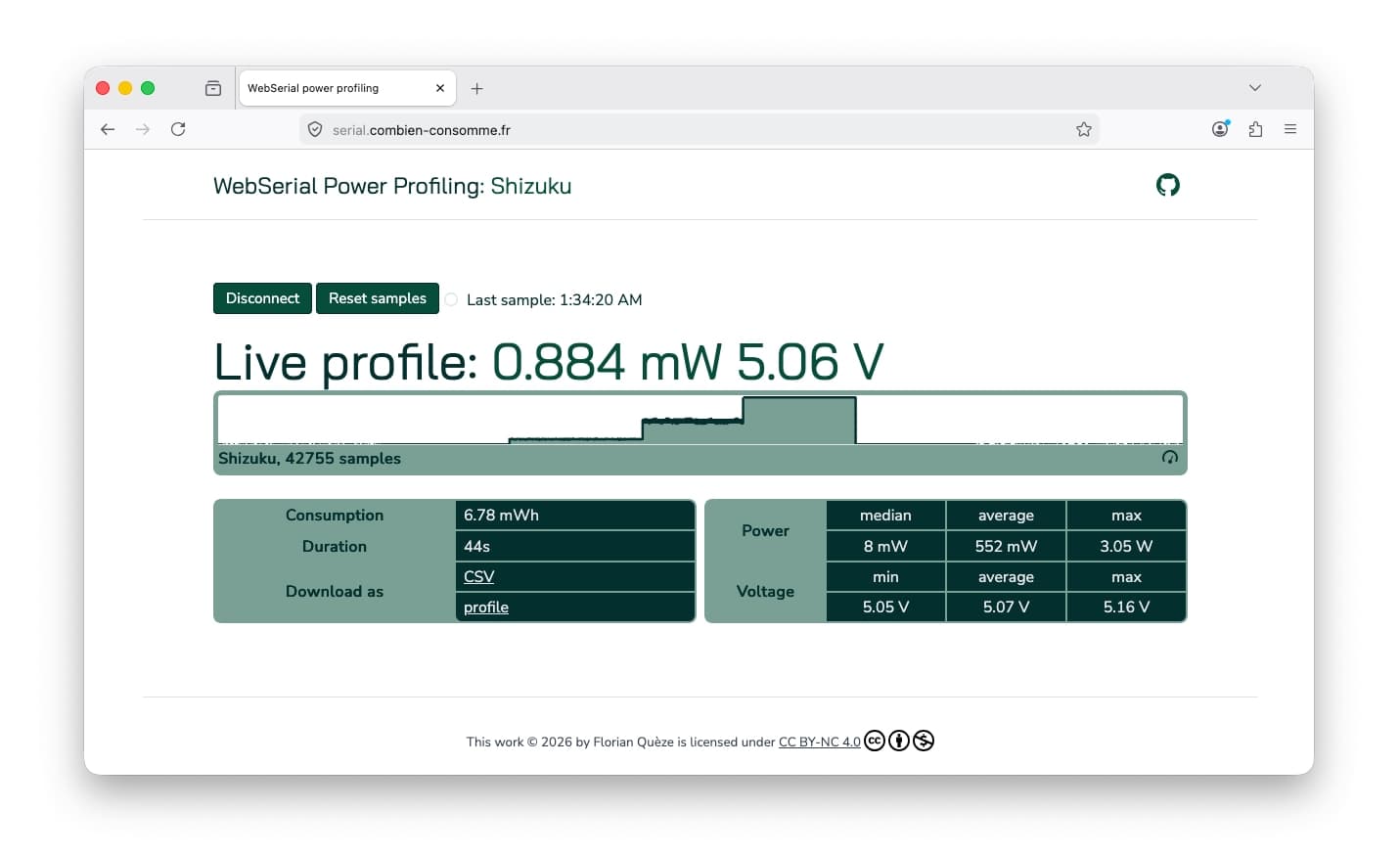
Firefox 151 ships Web Serial API support, letting web apps talk directly to microcontrollers, 3D printers, and USB power meters without native installers. You can flash firmware and read sensors straight from the browser, so test your hardware workflows in…
WHY IT MATTERS: Web Serial support in Firefox 151 removes the last reason many hardware projects require a native desktop application. Until now, developers building tools for microcontrollers, 3D printers, or home automation devices often had to ship and maintain separate installers for firmware flashing, configuration, and monitoring. With Web Serial now available in Firefox, the same JavaScript code that runs your web interface can read and write directly to USB serial devices. This collapses your stack, cuts distribution friction, and lets you deliver hardware workflows through a simple URL instead of asking users to download a binary. For teams already using Web Serial in Chrome or Edge, Firefox support means you can finally cover the full browser matrix without polyfills, native fallbacks, or telling users to switch browsers.
WHAT CHANGED: Firefox 151 for Desktop implements the Web Serial API, allowing websites to call navigator.serial.requestPort() to access compatible hardware. Mozilla tested the implementation against real world workflows including Adafruit's CircuitPython firmware installer, ESPHome device configuration for Home Assistant, and USB power meter telemetry that feeds directly into the Firefox Profiler. The permission model requires users to explicitly grant access per site and per port, so sites cannot silently probe connected hardware. Supported devices include ESP32 and ESP8266 boards, Raspberry Pi Pico, LEGO peripherals, and standard USB-to-serial adapters. The API handles devices that appear as serial ports over USB or Bluetooth, which covers most modern maker hardware even though traditional serial ports are rare today.
WHAT TO WATCH: If you maintain developer tools, IoT dashboards, or hardware configuration utilities, add Firefox 151 to your test environment and verify your existing Web Serial logic. Watch for differences in permission prompts or port enumeration behavior between Firefox and Chromium. The Adafruit Web Serial Tool is already validated and recommended over the OPEN INSTALLER method for CircuitPython flashing. Also expect more hardware vendors to ship web-first setup flows now that Firefox users are included. Keep an eye on whether Mozilla extends support to Android or adds Bluetooth serial profiles, as that would further reduce the need for companion mobile apps. If you have been waiting for broader browser support before investing in a web-based hardware toolchain, the threshold just got lower.
Source: Mozilla Hacks
Read the original → Mozilla Hacks
Get five bites like this every day.
Tezvyn delivers a daily feed of 60-second tech bites with quizzes to lock in what you learn.