Everything in TypeScript & Web APIs
What isolatedModules enforces and why bundlers need it
IsolatedModules forbids features needing cross-file type info because Babel and esbuild compile each file alone; const enums, certain re-exports, and namespace tricks are flagged.
First compilerOptions to set after tsc --init
Enable strict for full type safety, set target and module to match the runtime, and choose outDir/rootDir or moduleResolution; each tightens checks or aligns output.
WebRTC signaling: SDP, ICE, and the signaling server
Peers exchange SDP offer and answer describing media via an out-of-band signaling server, then trade ICE candidates to find a network path using STUN and TURN.
Dedicated vs Shared vs Service Workers compared
Dedicated worker serves one page for offloading CPU; Shared worker is one instance across same-origin contexts via ports; Service worker is a network proxy for caching and push, event-driven and killable.
Generic merge with an intersection return type
Use two type parameters T and U, return T & U, spread both objects; note later spread wins on key collisions and the type may not reflect that.
Promise .catch() versus async/await try...catch
.catch() handles rejection for all preceding chain steps and reads functionally; try/catch reads synchronously and can scope errors per await, but only catches awaited rejections.
Implementing the Singleton pattern in TypeScript
Private constructor blocks new, a static private instance field caches it, static getInstance lazily creates and returns the one instance.
Understanding this in TypeScript
In TypeScript, this is determined by how a function is called, not where it is defined; arrow functions capture the enclosing this lexically, and TypeScript adds optional this parameters to type-check the expected context at compile time.

Matt Pocock's Free React TypeScript Tutorial
Matt Pocock's free React TypeScript tutorial teaches typing for hooks, props, events via hands-on exercises. Covers ComponentProps, useRef, and reading React's type defs to debug errors. Bookmark this if your team is adopting TypeScript.
Matt Pocock Tutorial Covers Ten TypeScript Errors
Cryptic TypeScript errors waste hours. Matt Pocock's new tutorial isolates ten common messages from "Type Not Assignable" to "Property Does Not Exist" in interactive exercises. Clone the repo or use Gitpod to build debugging instincts instead of guessing.
Chrome 136 cuts JS startup 630ms with compile hints
Chrome 136 ships Explicit Compile Hints, cutting parse and compile times by 630ms in V8 tests. The //# allFunctionsCalledOnLoad comment triggers eager background compilation for entire files, avoiding main-thread bottlenecks.
Chrome M137 Ships Speculative Deopts and Inlining for Wasm
Chrome M137 adds speculative inlining and deoptimization to V8's WebAssembly engine, cutting Dart microbenchmarks by over 50%. It targets WasmGC, making Java, Kotlin, and Dart faster using JS-style JIT assumptions. Benchmark WasmGC apps on M137 now.
V8 doubles JSON.stringify speed with side-effect-free fast path
V8 doubled JSON.stringify speed with a side-effect-free fast path. Every network and storage serialization of plain objects gets faster with zero code changes. Check your profiles if JSON encoding shows up hot.
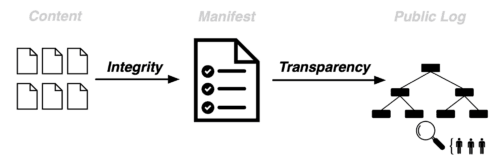
Mozilla WAICT Verifies Web App JavaScript in Nightly
WAICT in Firefox Nightly binds client code to public manifests so browsers reject unlogged JavaScript. This stops compromised servers from silently injecting malicious code into encrypted web apps like Signal. Test it at waict.dev.
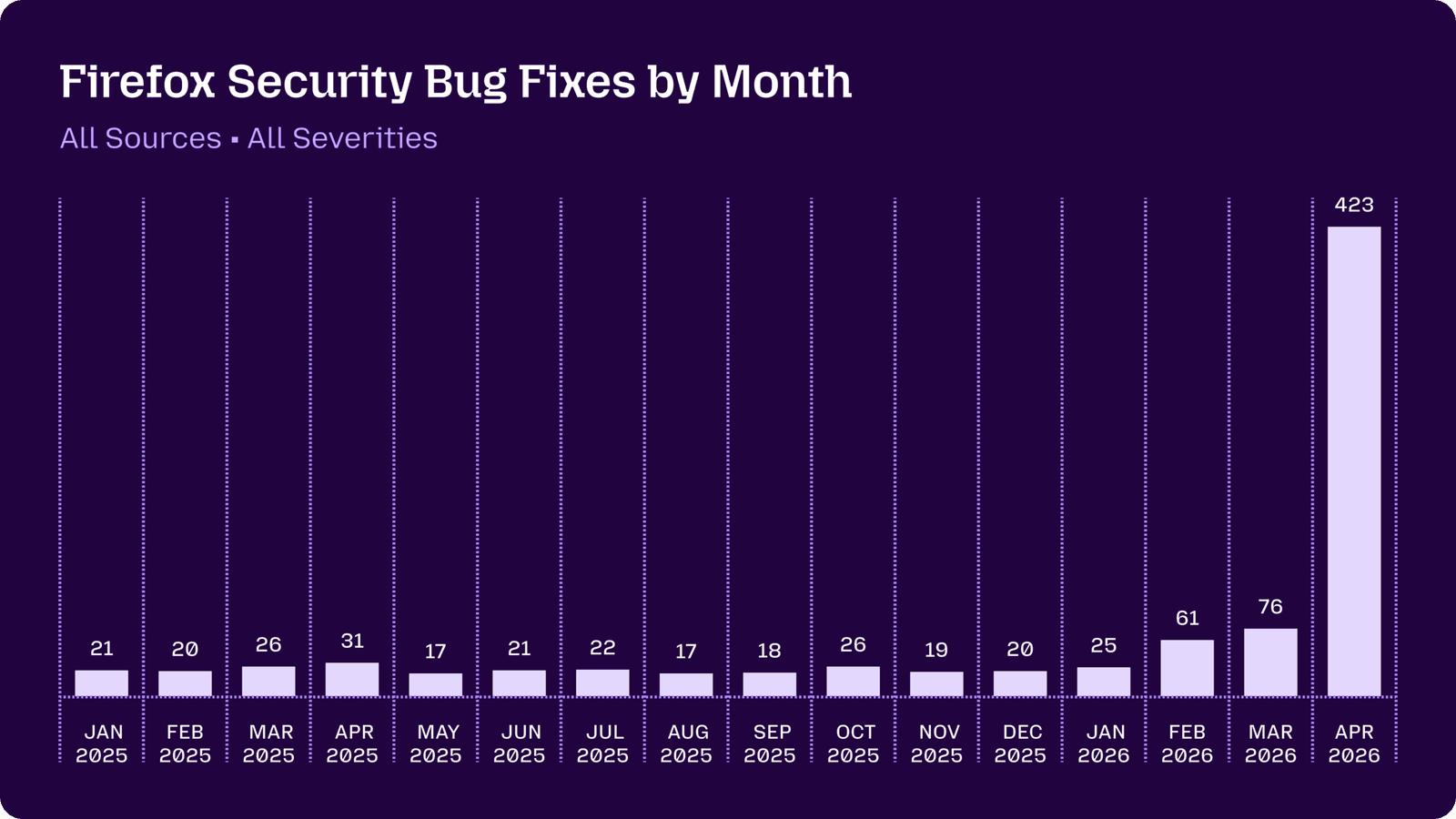
Claude Mythos Cracks Firefox Bugs Fuzzing Missed
Claude Mythos Preview found 20-year-old XSLT and JIT bugs in Firefox that survived years of fuzzing. Mozilla shows AI now catches sandbox escapes and memory corruption. Add LLM security scanning to hardening workflows before attackers adopt them.

Firefox 151 adds Web Serial for desktop
Firefox 151 for Desktop adds Web Serial support for compatible hardware. It gives web-based device tools another browser to support. Check permissions, operating-system support and actual devices before removing a native fallback.
Type a UMD library for script tags and CommonJS/ESM
Tests TypeScript UMD declarations for dual global and module usage. Use export as namespace MyLib for the global, export = MyLib for require, and declare the API inside a namespace. Red flag: default exports or declare global instead of export as namespace.
How do you write a declaration file for a JavaScript class?
Declare a class in a .d.ts, type the constructor, add instance members, and attach statics on the class.
How does export = differ from export default in TypeScript declarations?
It tests CommonJS to ES module interop in TypeScript. export = maps to the entire module.exports object and must be imported with import = require() or ES interop, while export default creates a named binding. A red flag is claiming they are interchangeable.
Create a CustomEvent with typed detail and a type-safe listener
Tests TypeScript generics with DOM events. Strong answer: generic CustomEvent wrapper, typed detail, listener typed via generic param. Red flag: using any for detail or casting event.target instead of parameterizing the event type.
We are hiring for this. Every open role lists the topics its interview covers, so you can prepare for the real thing rather than guessing.
See open roles