How do you strategically manage tech debt during product discovery?
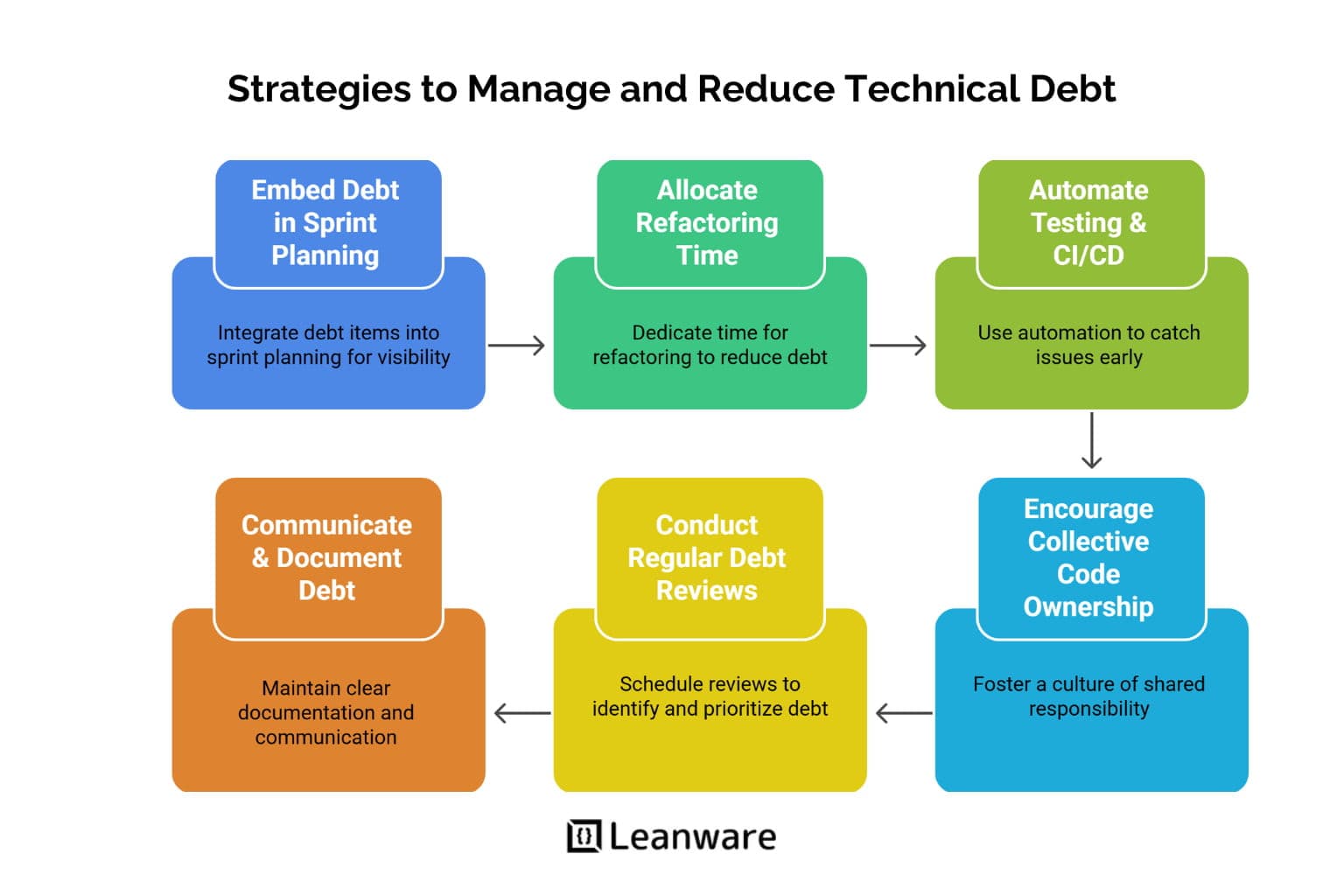
This tests your strategic view of tech debt. A great answer defines intentional vs. unintentional debt, outlines a framework for tracking and repayment (like a debt backlog), and explains when it's a valid tool for MVPs.
What's really being asked
This question assesses your senior-level understanding of technical debt as a strategic instrument, not just a coding problem. The interviewer wants to see if you can balance the product need for speed (especially in discovery) with the engineering need for sustainability. They are testing for a pragmatic, process-oriented mindset. Can you articulate a concrete framework for making debt visible, prioritizing it, and ensuring it's repaid before it cripples the team's velocity? It's a test of business acumen as much as technical leadership.
The full answer
A strong answer provides a clear, actionable framework. First, acknowledge that not all debt is bad; distinguish between strategic/intentional debt (taken on to validate an MVP) and unintentional debt (from poor practices). Second, describe a system for making debt visible, such as a dedicated debt backlog or tagging items in Jira. Third, explain your prioritization method. This could involve classifying debt by type (Code, Design, Testing, Documentation, Infrastructure) and impact. Fourth, detail the repayment process. A common best practice is allocating a fixed percentage of each sprint's capacity, like 15-20%, to paying down high-priority debt items. This ensures consistent progress without halting feature development.
The mistakes people make
A major red flag is treating all technical debt as a moral failing that must be avoided at all costs. This suggests a lack of pragmatism and business awareness. Another weak answer is being vague about the repayment process, saying things like "we'll clean it up later" or "we'll have a refactoring sprint." This shows a lack of a concrete plan, which is how debt spirals out of control. Finally, failing to distinguish between different types of debt (e.g., critical design debt vs. minor documentation debt) indicates a lack of nuanced thinking.
What usually comes next
Expect questions like: "How do you convince product managers to 'spend' 20% of a sprint on tech debt instead of new features?", "Walk me through a time you intentionally took on significant tech debt. What was the outcome?", or "What metrics do you use to track the impact of tech debt on team velocity or system health?".
A concrete example
"For a new feature launch, we needed to validate if users would engage with a recommendation engine. Building the full ML pipeline would take 3 months. Instead, we intentionally incurred design and code debt by hardcoding recommendations for a small user cohort. We made this debt visible by creating a 'Repayment' epic in Jira with specific stories to replace the hardcoded logic with a real service. The MVP validated our hypothesis in 2 weeks. Because the debt was tracked, we allocated 20% of our capacity in the following two sprints to pay it down, successfully replacing the temporary solution before it impacted other teams."
Interview question
During product discovery, what is the most effective strategy for managing intentional tech debt incurred to validate an MVP quickly?
- a.Make the debt visible in a backlog, prioritize it by impact, and allocate a fixed percentage of each sprint to its repayment.Correct
- b.Focus entirely on shipping the MVP, then have engineering leadership create a separate roadmap for a future cleanup project.
- c.Avoid incurring debt by building the fully scalable solution from the start, even if it delays the MVP launch.
- d.Plan a dedicated 'refactoring sprint' after the MVP launch to fix all accumulated debt in a single, focused effort.
Why? this is the answer
The correct approach treats debt as a manageable part of the process by making it visible, prioritizing it, and ensuring consistent repayment. A dedicated 'refactoring sprint' is a tempting but flawed strategy as it often gets postponed and halts all feature development.
Just read this? Test yourself on what you have been reading.
Read the original → leanware.co
You just looked this up. Could you explain it out loud?
That is the part interviews actually test. Tezvyn takes questions like this one and gives you what the interviewer is really checking, the answer that lands, and the mistake that ends the conversation, in the four minutes before your next meeting.
The iPhone app is on the way
We are building it. Until it lands, nothing here is held back from you: every interview card, your saved cards, streaks and the job board all work in Safari, plus hundreds of free practice quizzes of thirty questions each. Sign in and it all carries over to the app the day it arrives.
Want it as an icon? Tap Share at the bottom of Safari, then Add to Home Screen. It opens full screen and the cards you have read stay available offline.
We are hiring for this. Open roles that interview on technical debt — each one lists the topics its interview covers.
See open roles