Image Stitching: Creating Panoramas from Overlapping Photos
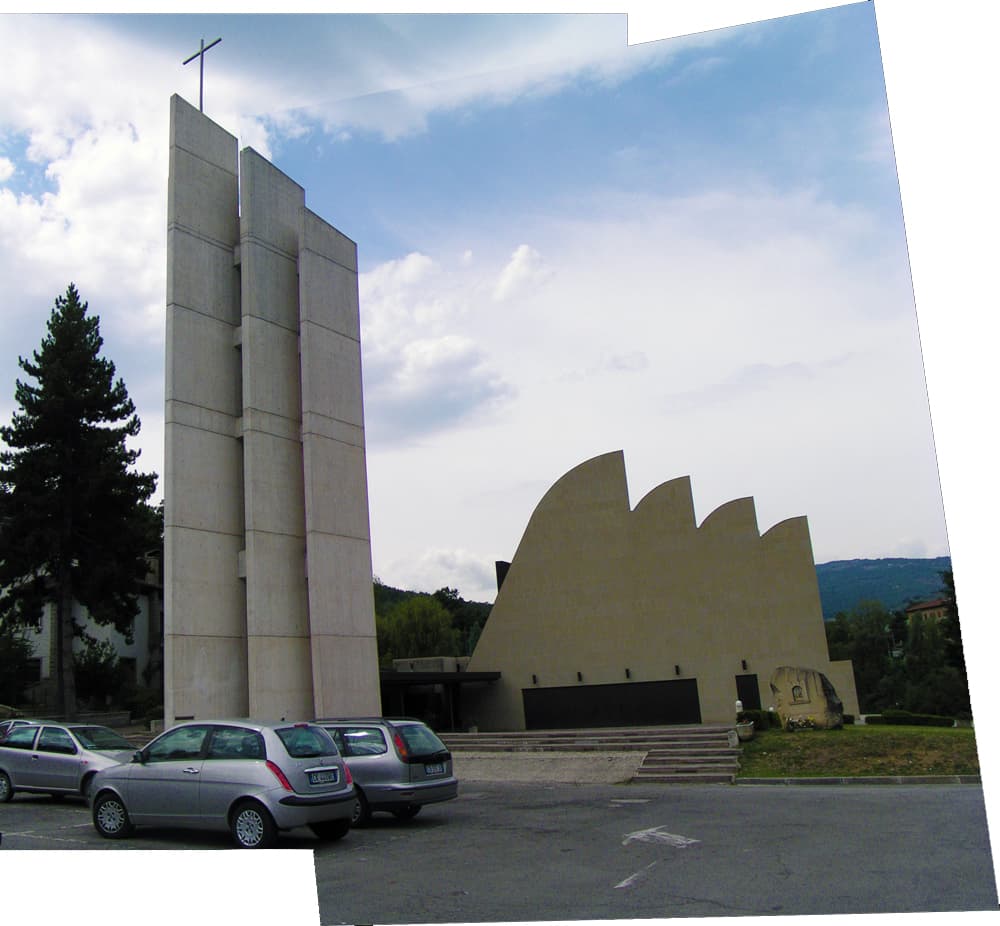
Image stitching digitally 'tapes' together overlapping photos to create a single, wider panorama or a super-high-resolution image. It's used in phone panorama modes and for creating gigapixel photos. The main footgun is insufficient overlap between shots.
WHY IT EXISTS Image stitching solves the physical limitations of a single camera lens and sensor. It allows us to create an image that is either wider (a panorama) or has a much higher resolution than what a single photograph can capture.
THE MENTAL MODEL Think of image stitching like creating a photo collage by hand. You lay out multiple photos that share common edges and tape them together to form a larger picture. Software automates this, digitally finding the common areas and blending the seams so they become invisible.
HOW IT WORKS The process starts by taking multiple photos of a scene with overlapping fields of view. Software then analyzes these images to find the overlapping regions. It aligns the images and warps them if necessary to match perspective. Finally, it blends the pixels in the overlapping areas to create a single, seamless final image. Most basic approaches require the photos to have nearly identical exposures for the blend to be invisible, but some advanced algorithms can use differently exposed images to create a high-dynamic-range (HDR) result.
WHEN TO USE IT Use image stitching for creating wide panoramic shots, such as landscapes or city skylines. It's also used to create 'gigapixel' images, where a scene is captured in a grid of many high-zoom photos that are stitched together to produce an image with incredible detail.
WHEN NOT TO USE IT Image stitching performs poorly with scenes containing significant or rapid movement, as this creates 'ghosting' or misalignments in the final image. It will also fail if there is no overlap between the source images, as the software has no common information to use for alignment.
ONE CANONICAL EXAMPLE The panorama mode on most modern smartphones is a perfect example of image stitching. As you pan your phone across a scene, the camera is continuously capturing overlapping video frames. The phone's software then stitches these frames together in real-time to produce the final panoramic photo you see in your gallery.
Read the original → en.wikipedia.org
Get five bites like this every day.
Tezvyn delivers a daily feed of 60-second tech bites with quizzes to lock in what you learn.