Product Launch Tiers: Right-Sizing Your Go-to-Market
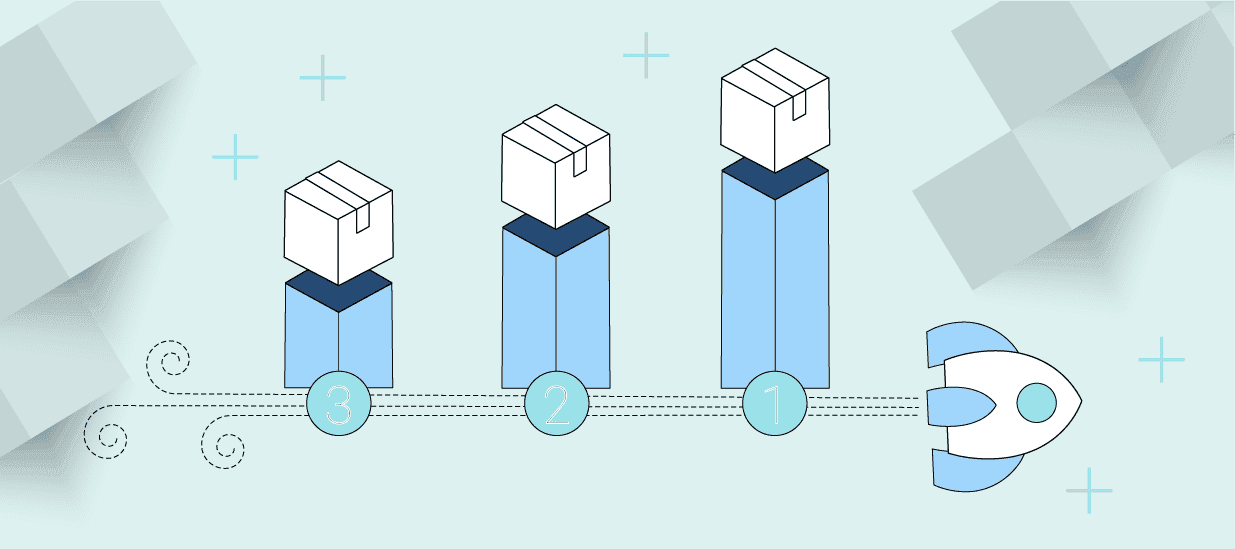
Product launch tiers match marketing effort to business impact. Instead of a one-size-fits-all approach, you classify releases to allocate resources rationally, preventing burnout on minor updates while focusing big efforts on major products.
WHY IT EXISTS: Companies with large product portfolios or frequent updates face a constant, dizzying pace of launches. Treating every minor patch like a major new product is unsustainable. It burns out teams and wastes resources that could be focused on releases with true market impact. Launch tiers provide a rational system to manage this complexity.
THE MENTAL MODEL: Think of launch tiers as a triage system for your go-to-market strategy. A major new product (a "Tier 1" launch) gets the full, resource-intensive treatment with a massive campaign. A minor bug fix ("Tier 3") might only get release notes. It's about matching your organizational effort to a release's expected business impact.
HOW IT WORKS: You define a small set of tiers, each with clear criteria and a corresponding playbook of launch activities. For example, a Tier 1 launch might require a press release, a CEO announcement, and a full marketing campaign. A Tier 2 launch might involve a blog post and a customer email newsletter. A Tier 3 launch could be just an in-app notification or a line in the changelog. The product's expected impact determines its tier before any work begins.
WHEN TO USE IT: Use launch tiers when your product organization is managing multiple products or a high-cadence release schedule. It's essential for teams with limited resources who need to make smart trade-offs and ensure their biggest bets get the support they need to succeed. This framework brings predictability and sanity to the launch process.
WHEN NOT TO USE IT: For a startup with a single product and infrequent major releases, a formal tier system is likely overkill. If every launch is, by definition, a "big deal," then you don't need a system to differentiate them. The process is implicitly Tier 1 every time.
ONE CANONICAL EXAMPLE: A large SaaS company might define three tiers. TIER 1: A brand-new, paid product line. This gets a multi-month campaign, press tour, and dedicated launch team. TIER 2: A significant new feature for an existing product, like adding AI-powered summaries. This gets a webinar, a blog series, and a targeted email campaign. TIER 3: A minor UI tweak or bug fix. This is only documented in the official release notes.
Read the original → pragmaticinstitute.com
Get five bites like this every day.
Tezvyn delivers a daily feed of 60-second tech bites with quizzes to lock in what you learn.