Psychological Safety: The Foundation of High-Performing Teams
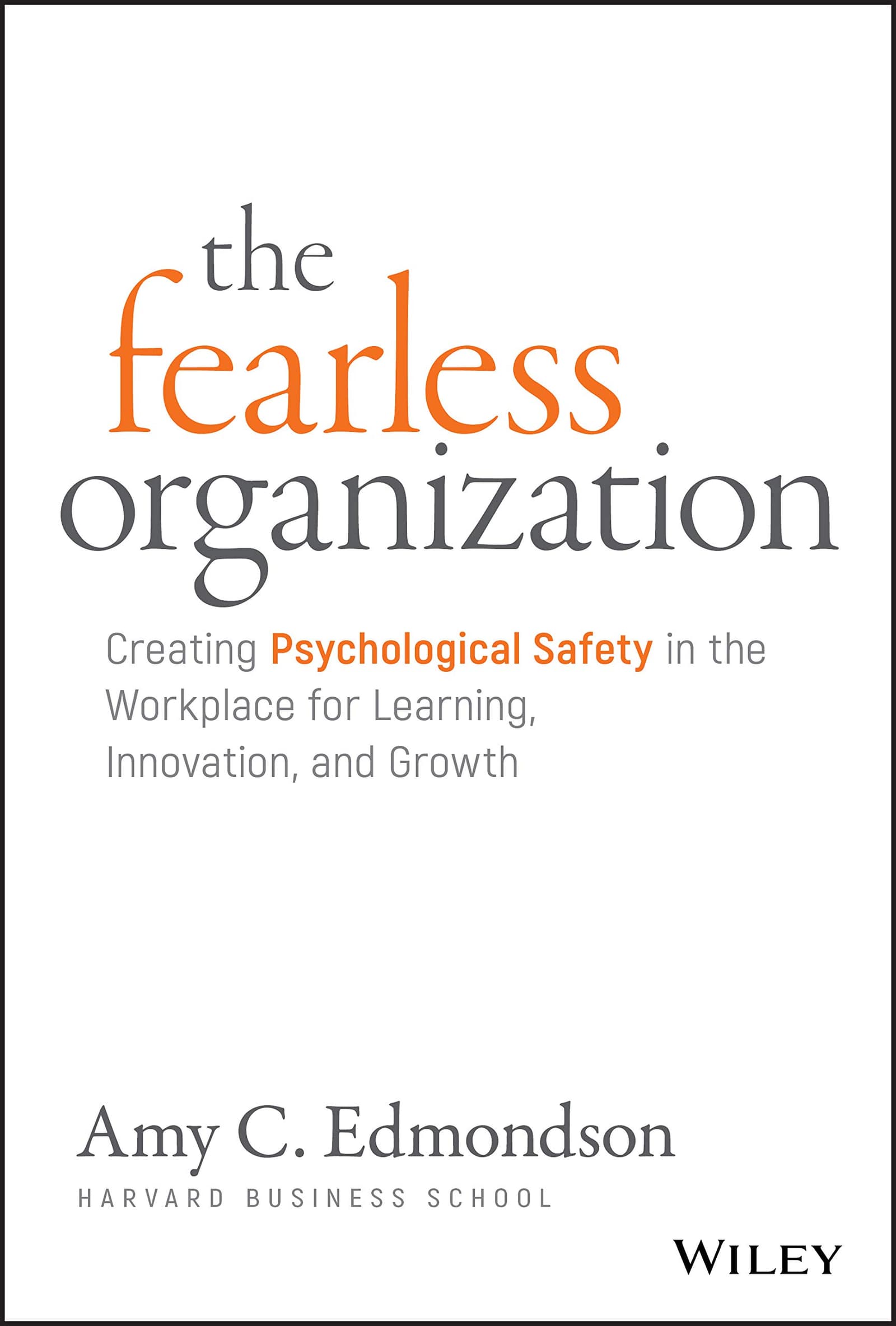
Psychological safety is the belief you won't be punished for speaking up or making mistakes. It's the top predictor of team effectiveness, enabling the risk-taking and candor needed for innovation.
THE MENTAL MODEL: Psychological safety is not about being nice; it's a shared belief within a team that you can be vulnerable without fear of negative consequences. It means you feel safe to speak up with ideas, questions, or concerns, admit mistakes, or challenge the status quo without being shamed or punished. It is a property of the team, not an individual's personality.
HOW IT WORKS: When team members feel safe, they engage in learning behaviors. They ask for help, exchange feedback, and experiment with new ideas. This open exchange surfaces problems faster, accelerates learning from failure, and fosters innovation. Leaders cultivate this environment by modeling curiosity, acknowledging their own fallibility, and framing work as a learning problem, not an execution problem.
WHEN TO USE IT: Psychological safety is critical in any environment where complex problem-solving, innovation, and collaboration are required. This includes most software engineering teams, R&D labs, and strategic planning groups. It is the bedrock of effective agile practices, blameless postmortems, and a healthy feedback culture. It allows teams to navigate uncertainty and adapt quickly.
WHEN NOT TO USE IT: While universally beneficial, its absence is most damaging in high-stakes, uncertain environments. The primary mistake is not in applying it, but in misinterpreting it. Do not use psychological safety as an excuse to avoid accountability or difficult performance conversations. True safety enables direct, candid feedback to uphold high standards, rather than avoiding conflict.
ONE CANONICAL EXAMPLE: Google's 'Project Aristotle' studied hundreds of internal teams to find the key to their effectiveness. The number one predictor they found was psychological safety. On high-performing teams, members felt confident they could take risks and be vulnerable. For instance, a junior engineer could comfortably question a technical decision made by a principal engineer, leading to a better outcome. On a low-safety team, that same engineer would stay silent, fearing career repercussions, and the team might ship a flawed product.
Read the original → amycedmondson.com
Get five bites like this every day.
Tezvyn delivers a daily feed of 60-second tech bites with quizzes to lock in what you learn.