Right of Publicity: Your Identity as Property
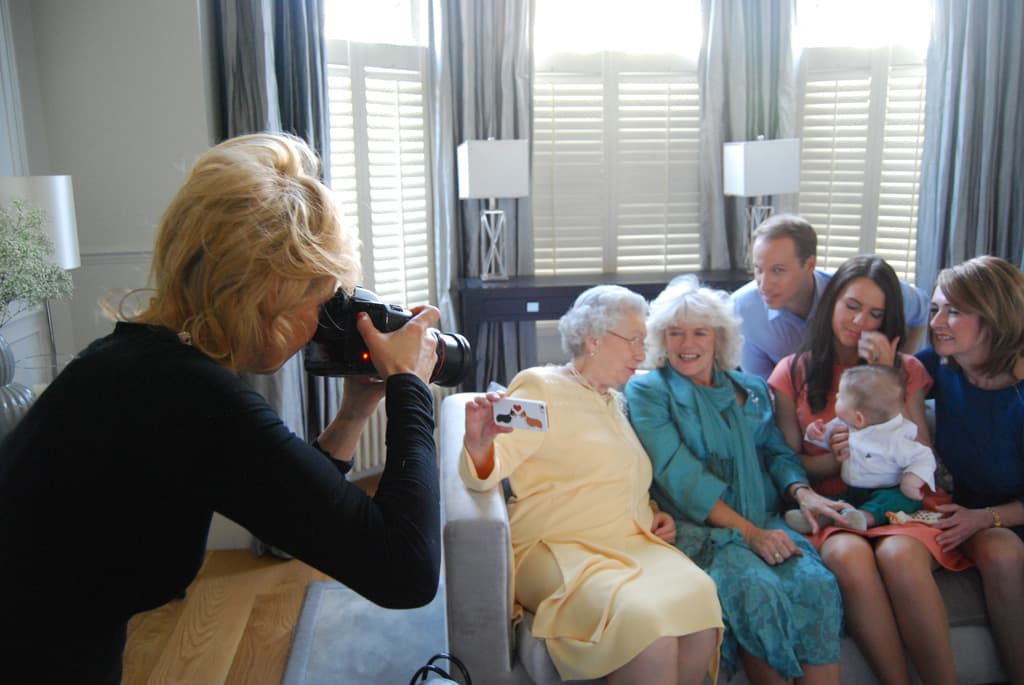
The right of publicity treats your identity—your name, image, and likeness—as commercial property. This is why brands need permission to use a celebrity's face in an ad. The footgun is confusing it with privacy; this is about commerce, not intrusion.
WHY IT EXISTS To give individuals control over the commercial value of their persona, preventing others from profiting from their fame or identity without permission. It establishes a legal framework and a market for endorsements and licensing, ensuring people can benefit from the economic value of their own identity.
THE MENTAL MODEL Think of your identity—your name, image, and likeness—as a piece of commercial property, like a brand trademark. You own the right to decide who can use it for business purposes and to profit from that use. It's not about feelings or privacy; it's about economic value. This is why it's considered a property right, not a personal right.
HOW IT WORKS An individual, or their estate, can sue for unauthorized commercial use of their identity. A successful claim typically requires proving three things: the use of a person's identifier (name, photo, voice), for a commercial purpose (like in an ad or on merchandise), without consent. Because it's a property right, it can survive death and be passed to heirs, allowing an estate to continue controlling and licensing a deceased person's likeness, depending on the jurisdiction.
WHEN TO USE IT This right is invoked when a company uses a person's likeness to sell a product, in celebrity endorsements, or when creating merchandise featuring a person's image. It is the legal foundation for licensing one's persona for commercial activities, from appearing in an advertisement to having a character based on you in a video game.
WHEN NOT TO USE IT The right of publicity generally does not apply to non-commercial uses. This includes news reporting, commentary, parody, or artistic works, which are often protected by free speech principles. Using a celebrity's photo in a news article about them is typically not a violation, as it is considered newsworthy, not a commercial endorsement.
ONE CANONICAL EXAMPLE A beverage company puts a famous actor's face on a can to sell more drinks, without getting permission. Even if the company took the photo themselves, they are using the actor's likeness for commercial gain without a license. The actor can sue for damages and stop the sales based on their right of publicity.
Read the original → en.wikipedia.org
Get five bites like this every day.
Tezvyn delivers a daily feed of 60-second tech bites with quizzes to lock in what you learn.