Sprint Capacity Planning: Committing to Achievable Work
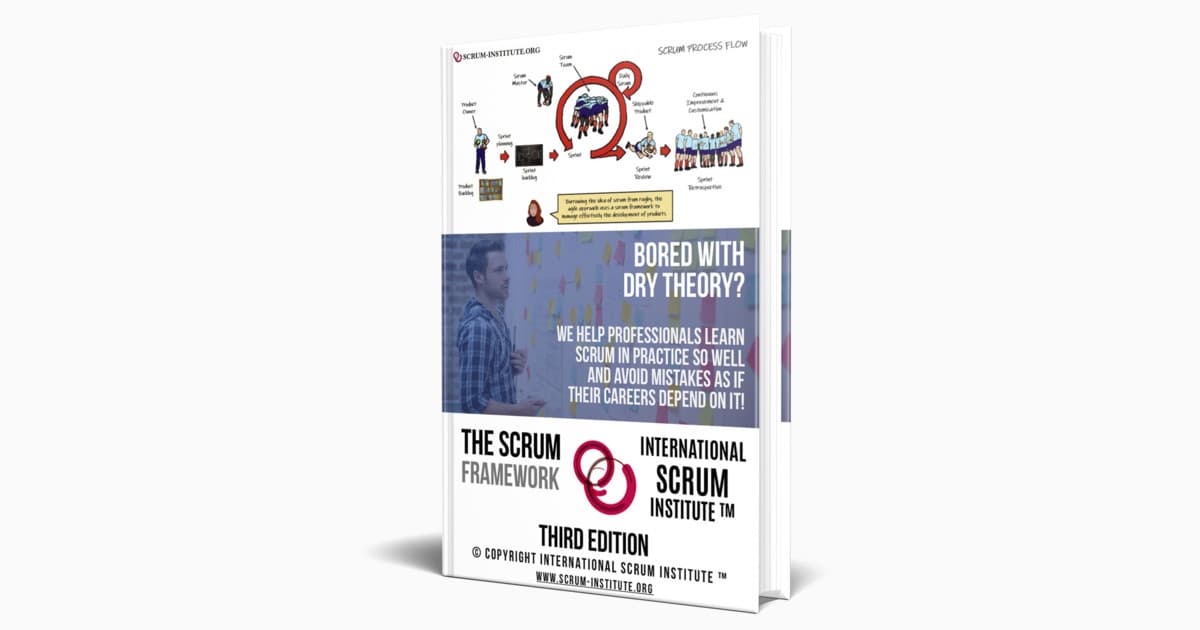
Sprint capacity planning is like checking your team's fuel tank before a road trip. It calculates your team's actual available work hours for a sprint, accounting for time off, to make a realistic commitment.
THE MENTAL MODEL: Think of capacity planning like checking your team's fuel tank before a road trip. It's not about how fast you've driven on average in the past (velocity), but how much fuel (available work hours) you have for the specific journey ahead. It's a forward-looking reality check that grounds a sprint commitment in the actual availability of the team, preventing over-promising.
HOW IT WORKS: The process is a simple calculation done during sprint planning. First, determine the total available person-days in the sprint. For a 5-person team in a 2-week sprint, this is 5 people * 10 days = 50 person-days. Second, subtract all known time off, such as public holidays, vacation, or training days. Third, apply a 'focus factor'. No engineer spends 100% of their day on sprint tasks. A focus factor of 70-80% accounts for time spent in company meetings, code reviews, and ad-hoc support. The final number is your team's capacity, which informs a realistic sprint goal.
WHEN TO USE IT: Use this at the start of every sprint planning session. It is especially critical for teams with fluctuating membership, frequent holidays, or when onboarding new members whose impact on velocity is unknown. It's a core discipline for any Scrum team that wants to build trust with stakeholders by consistently delivering on its commitments and maintaining a sustainable pace.
WHEN NOT TO USE IT: Do not use capacity as a performance metric to compare teams or individuals; it is a planning tool, not a productivity report. Avoid getting bogged down in hyper-precise, hour-by-hour accounting. The goal is a reasonable estimate to guide commitment, not a timesheet to be audited. For very stable teams where velocity rarely changes, a quick gut check against velocity might suffice, but formal capacity planning is a safer habit.
ONE CANONICAL EXAMPLE: A 6-person team plans a 2-week sprint (10 working days). Total person-days are 60. One engineer is on vacation for 3 days, and there is one company-wide training day (6 person-days lost). Total time off is 9 days. Available days = 60 - 9 = 51. The team has a focus factor of 80%. Their real capacity is 51 * 0.80 = 40.8 person-days. If their historical velocity is 35 points (based on ~48 person-days per sprint), their capacity-adjusted target should be slightly lower, perhaps around 32-34 points, not 35.
Read the original → scrum-institute.org
Get five bites like this every day.
Tezvyn delivers a daily feed of 60-second tech bites with quizzes to lock in what you learn.