What questions assess strategic alignment before estimating effort?
This tests whether you validate business context before scoping. Ask: what market problem is solved, which company competency or asset is leveraged, and what metric proves success. Red flag: estimating before confirming strategic fit.
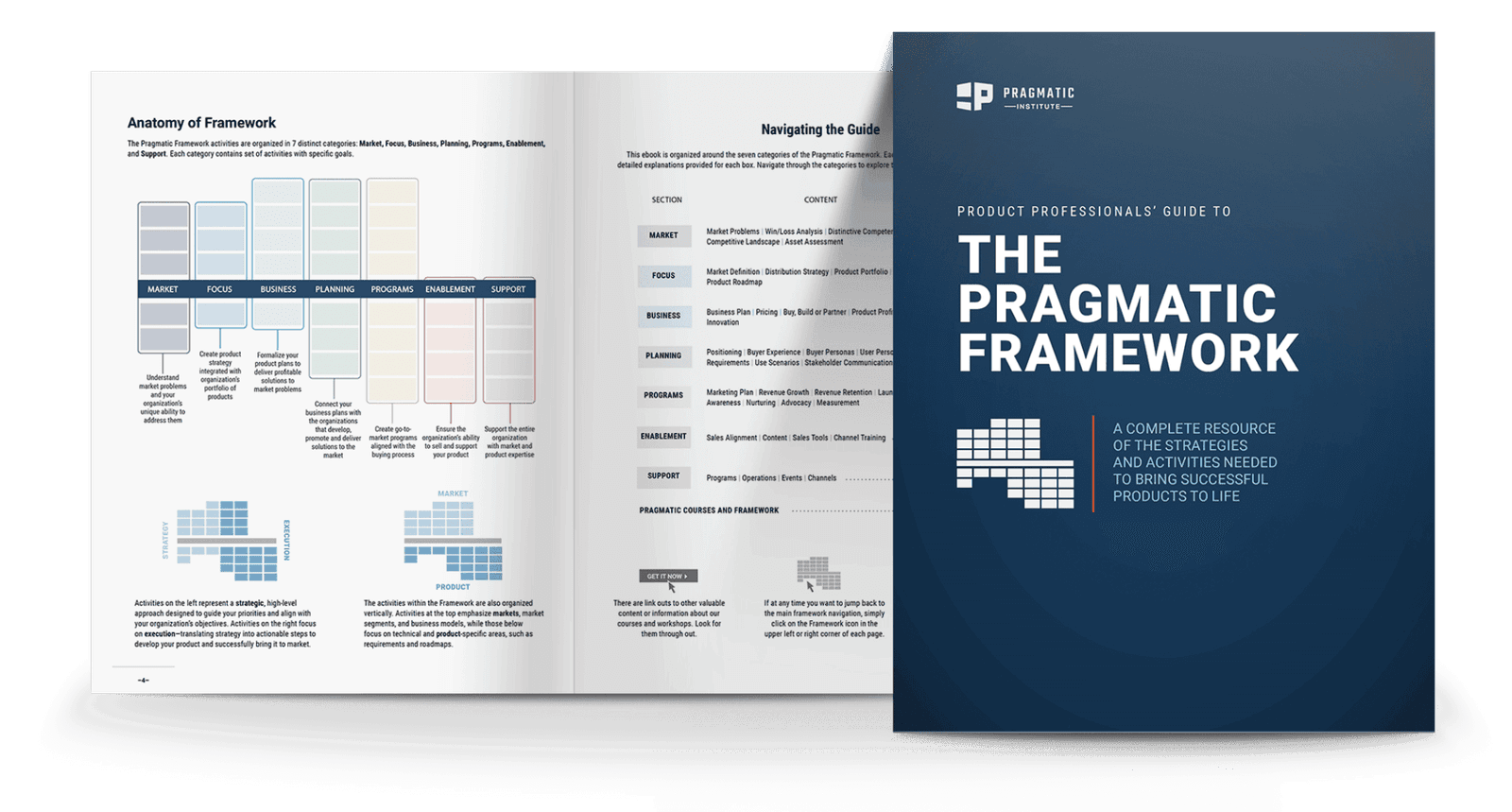
WHAT THIS TESTS: Interviewers want to see if you operate as a strategic partner or an order-taker. Senior engineers do not estimate effort in a vacuum; they first validate that a feature solves a real market problem, leverages the organization's distinctive competencies and existing assets, and aligns with competitive strategy. This mirrors the Pragmatic Framework's emphasis on understanding market problems, win/loss dynamics, and asset assessment before committing build resources.
A GOOD ANSWER COVERS: A strong answer asks four things in order. First, what urgent market problem does this solve and for which customer segments; reference whether the problem has been validated through recent customer interviews or win/loss analysis. Second, how does the feature leverage our distinctive competencies or existing technical assets such as patents, services, or specialized skills rather than forcing us into unfamiliar territory. Third, what competitive or alternative offerings exist and how does this feature change our position in the competitive landscape. Fourth, what specific business metric will improve and what happens if we do not build it; this reveals whether the request is a must-have or a nice-to-have.
COMMON WRONG ANSWERS: A red flag is jumping immediately to story points, timelines, or staffing without asking about strategic fit. Another weak pattern is asking only tactical questions like which API to use or whether to use a third-party library. Some candidates mention business value but only in vague terms like it will help users without connecting to validated market problems or measurable outcomes. Avoid sounding like you expect the PM to do all the thinking; the interviewer wants collaborative due diligence.
LIKELY FOLLOW-UPS: The interviewer may push back by asking how you would handle a PM who says the CEO mandated the feature. They might also ask how you would prioritize this feature against tech debt if the strategic fit is strong but the engineering cost is high. Another common follow-up is how you would validate the market problem yourself if the PM's data seems thin. Be ready to discuss rapid prototyping or spiking to de-risk assumptions.
ONE CONCRETE EXAMPLE: Suppose the PM proposes adding a real-time collaboration layer to your B2B SaaS product. Instead of estimating microservices work, you ask: which customers rated real-time editing as an urgent unmet need in recent interviews; does our existing WebSocket infrastructure and in-house security expertise give us a distinctive advantage over competitors who bolt on third-party widgets; what percentage of recent evaluators we lost specifically cited collaboration gaps; and will we measure success by adoption, retention, or deal-close rate. If the answers are weak, you recommend a phased experiment before full roadmap commitment.
Read the original → pragmaticinstitute.com
Get five bites like this every day.
Tezvyn delivers a daily feed of 60-second tech bites with quizzes to lock in what you learn.