Randomized Controlled Trials: The Gold Standard for 'Did It Work?'
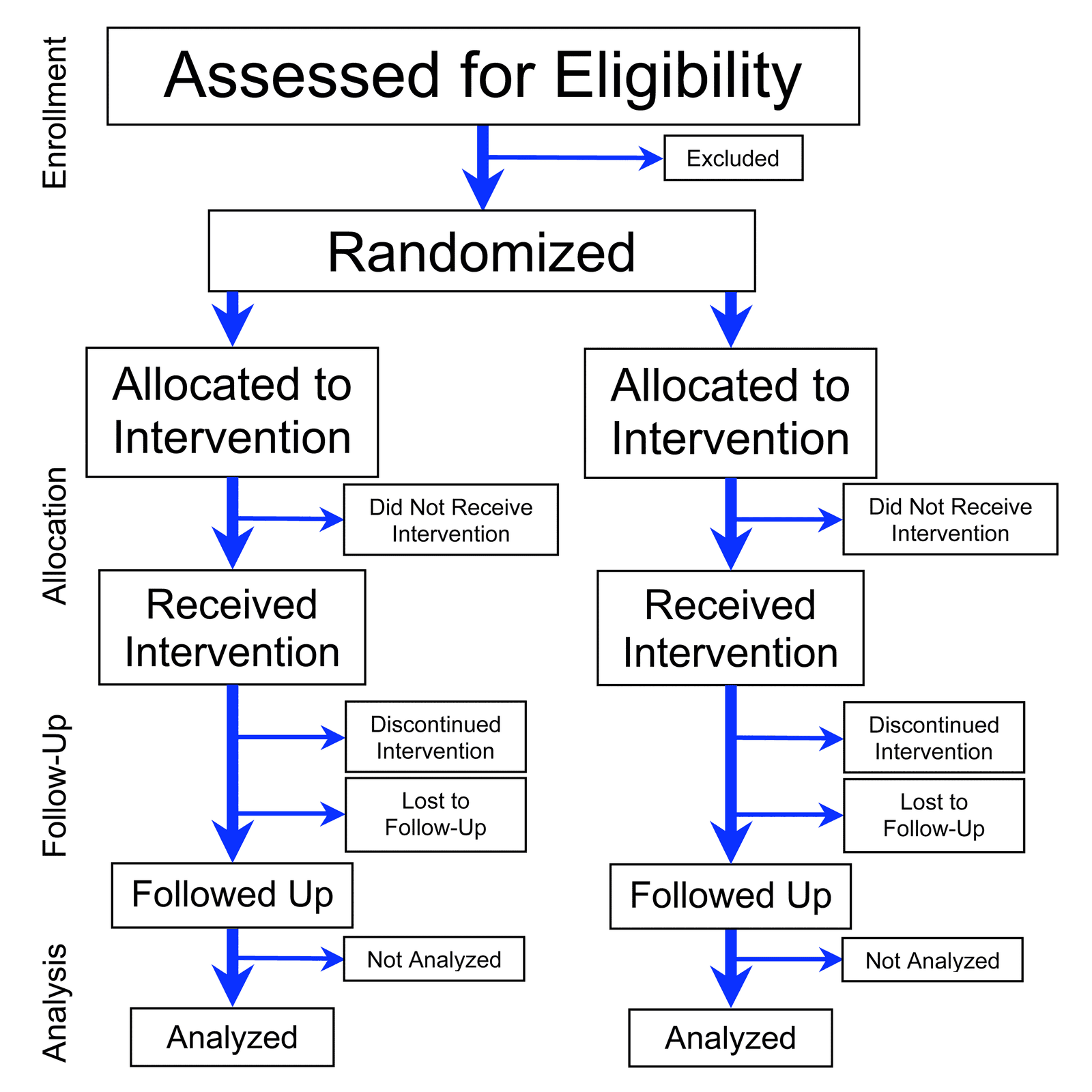
An RCT is a science fair experiment for business decisions, isolating one change to see its true effect. It's used in A/B tests to prove a new feature worked. The biggest footgun is peeking at results early, which can lead to false conclusions.
WHY IT EXISTS Correlation is not causation. Just because sales went up after you launched a new feature doesn't mean the feature caused the increase. An RCT is designed to move beyond correlation and prove causality by isolating the impact of a single change, removing the guesswork.
THE MENTAL MODEL Think of a clinical drug trial. To know if a new drug works, you give it to one group (the treatment group) and a sugar pill to another (the control group). By comparing the outcomes, you isolate the drug's true effect. In tech, the "drug" is your new feature, a different button color, or a new recommendation algorithm. The RCT is the framework for administering this test fairly.
HOW IT WORKS An RCT has four main steps. First, you form a hypothesis, like "Changing the 'Sign Up' button from blue to green will increase registrations." Second, you randomly assign users into a control group (who see the old blue button) and a treatment group (who see the new green one). Random assignment is critical because it ensures, on average, that both groups are alike in every way except for the button color. Third, you run the experiment for a predetermined amount of time and collect data on your key metric. Fourth, you use statistical analysis to determine if the observed difference in registrations is statistically significant, meaning it's unlikely to be due to random chance.
WHEN TO USE IT Use an RCT when you need to definitively measure the causal impact of a specific, controllable change. This is the core of A/B testing for websites and apps. It's also used to evaluate the effectiveness of marketing campaigns, test changes to search ranking algorithms, or measure the performance impact of a backend optimization.
WHEN NOT TO USE IT Avoid RCTs when it's unethical, impractical, or impossible to randomly assign users to a control group. You can't test a new security patch by randomly assigning some users to a "no patch" group. It's also not suitable for measuring very long-term effects or changes that are impossible to isolate, like a company-wide rebranding.
ONE CANONICAL EXAMPLE A streaming service wants to know if a new recommendation algorithm increases watch time. They randomly select 1% of users for the treatment group, who get recommendations from the new algorithm. The other 99% remain the control group, seeing the old algorithm. After two weeks, they find the treatment group's average daily watch time is 5 minutes higher. Statistical tests confirm this is a significant result, giving them the confidence to roll out the new algorithm to everyone.
Read the original → en.wikipedia.org
Get five bites like this every day.
Tezvyn delivers a daily feed of 60-second tech bites with quizzes to lock in what you learn.