Everything in Analytics & Metrics, page 2
Visualizing a correlation with a third variable
A scatter plot with a trend line shows the relationship; encode network type by color or facets to expose a lurking variable.
Cohort analysis for an onboarding change
A cohort groups users by a shared start trait; compare pre and post Jan-1 signup cohorts on retention by age.
Visualizing a non-linear funnel with re-entry
A linear funnel cannot show branching or re-entry; a Sankey diagram encodes flow volume, splits, and leaks as proportional ribbons.
Enforcing GDPR Right to be Forgotten at scale
Map the subject's data, then crypto-shred the lake, DELETE in the warehouse, and evict caches via an auditable, idempotent workflow.
Designing a useful button_click event payload
Include identity, timestamp, and context plus properties like button id, screen, and state; govern with a naming convention.
Designing a warehouse model for feature adoption
Star schema with a feature-usage fact table at a defined grain, surrounded by user, feature, date, and device dimensions.
Diagnosing model degradation over time
Name it model drift, split data vs concept drift; diagnose by comparing distributions and ruling out pipeline bugs; fix via monitoring and retraining.
Stationarity in time series and why ARIMA needs it
Constant mean/variance/autocovariance; ARIMA's coefficients assume them; test with the ADF test and ACF plots; achieve it via differencing or log transforms.
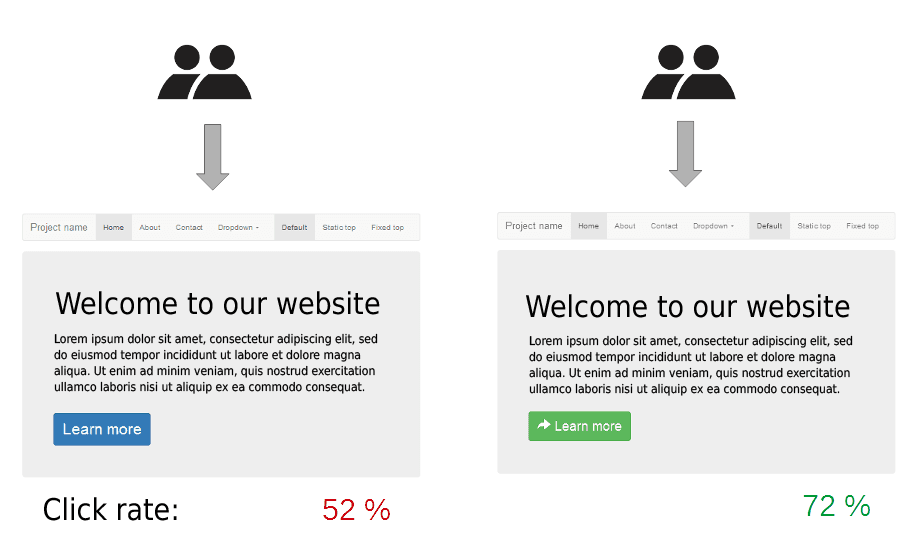
Describe the architecture of a generic A/B testing framework
Hash-based user bucketing, config service, pre-registered metrics, and confidence intervals on dashboards.
Explain event schemas and why schema registries matter at scale
This tests schema evolution and data contracts in distributed systems. A good answer defines schemas as contracts, explains that a registry enforces compatibility to block breaks, and lists pain like pipeline failures. Never treat schemas as optional docs.
How would you instrument and query P95 API latency by region?
This tests white-box latency instrumentation and safe cardinality for percentile aggregation. Strong answer: emit histograms by region, query P95 with histogram_quantile or a log percentile, and keep trace IDs in logs only.

Which classical baseline model handles weekly seasonality and upward trend?
Tests matching model structure to data characteristics. Name Holt-Winters triple exponential smoothing; map its level, trend, and seasonal equations to weekly period. Red flag: jumping to SARIMA without explaining why ETS is the natural baseline.
How do you measure forecast accuracy and compare MAE to RMSE?
This tests out-of-sample validation and how MAE and RMSE weight errors. A strong answer demands a train-test split, defines both, and notes RMSE punishes outliers more while MAE is more robust. A red flag is citing in-sample fit instead of held-out error.
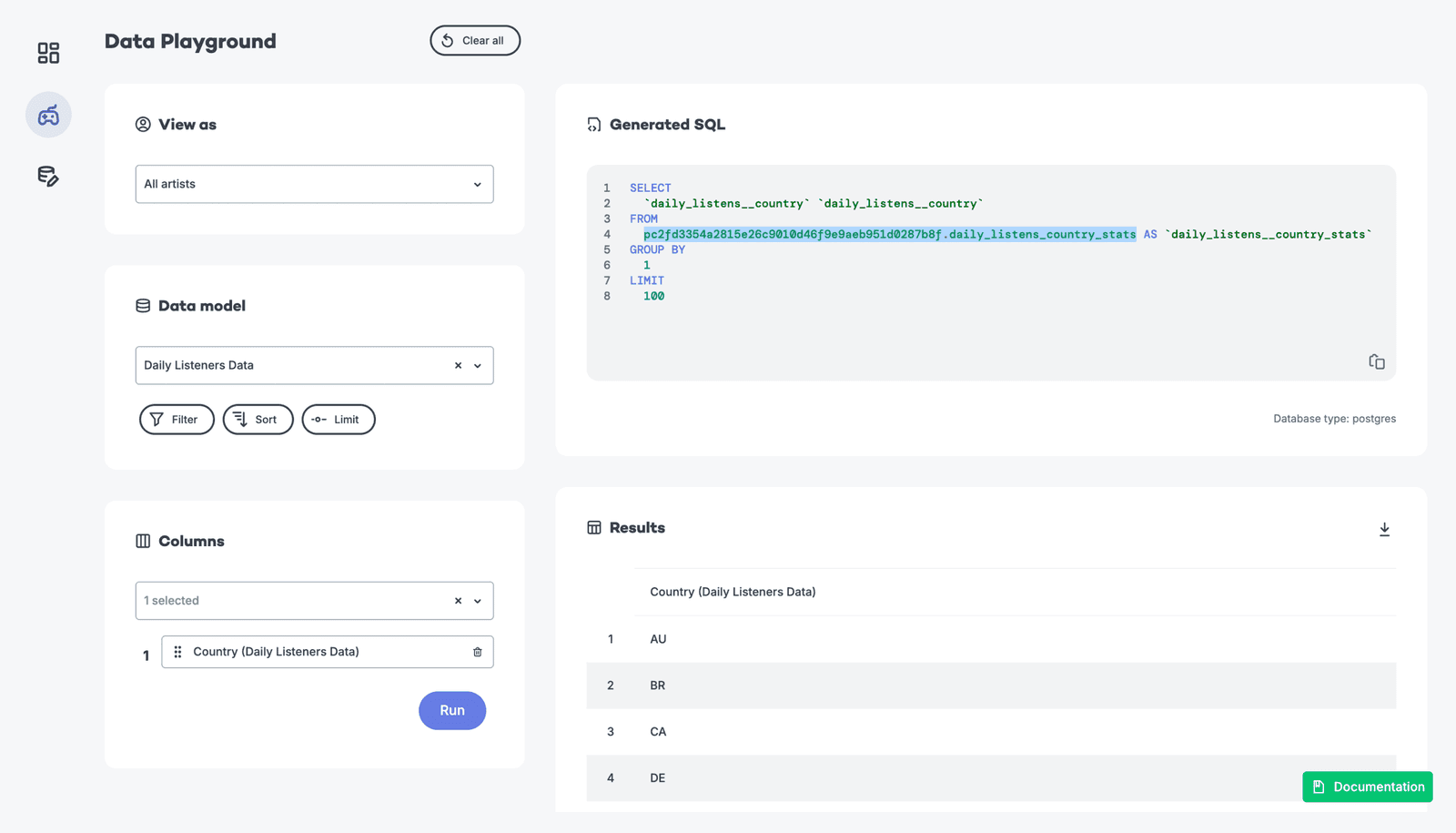
Trade-offs between pre-aggregated and raw event data for dashboards
Pre-aggregations trade freshness for speed; raw queries preserve flexibility but spike cost and latency under load.
Compare data warehouses and data lakes. How does a lakehouse merge benefits?
Tests schema tradeoffs. Warehouses enforce ACID for BI but cost more; lakes store raw cheaply but lack governance. Lakehouses add ACID metadata on object storage to unify ML and BI.

Propose a North Star Metric for a product you know
Definition; your product's metric; how value drives retention and revenue.

Apply AARRR to B2B SaaS vs B2C mobile game analytics
This tests mapping AARRR to instrumentation across business models. A strong answer contrasts B2B account activation and expansion against B2C session-zero funnels and whale monetization. Red flag: same metrics ignoring account hierarchies and ad attribution.
What is the difference between a metric and a KPI?
Tests strategic vs operational measurement discernment. Answer: KPIs track critical goals; metrics track processes. Page views are a metric; conversion rate is the KPI. Red flag: calling all data KPIs or using page views as success proof.
Design column-level data lineage from source to dashboard
Propose AST extractors for Spark and dbt, a graph DB for column edges, and an API for impact analysis.

How do you root-cause a 20% revenue drop with no pipeline failures?
Reconcile against raw events, slice by dimension for silent gaps, audit schema drift.
We are hiring for this. Every open role lists the topics its interview covers, so you can prepare for the real thing rather than guessing.
See open roles