All bites
The whole library, newest first. Filter by what you are here for, or pick a topic if you already know.
4330 bites
Page 2
Enforce positive price and SKU format using Pydantic Field without custom validators
Use Field(gt=0) for price and Field(pattern=r'^ITEM-\d{5}$') for SKU; mention Annotated.
Implement a custom validator for a single Pydantic model field
Use @field_validator as a classmethod, raise ValueError on failure, return the value.
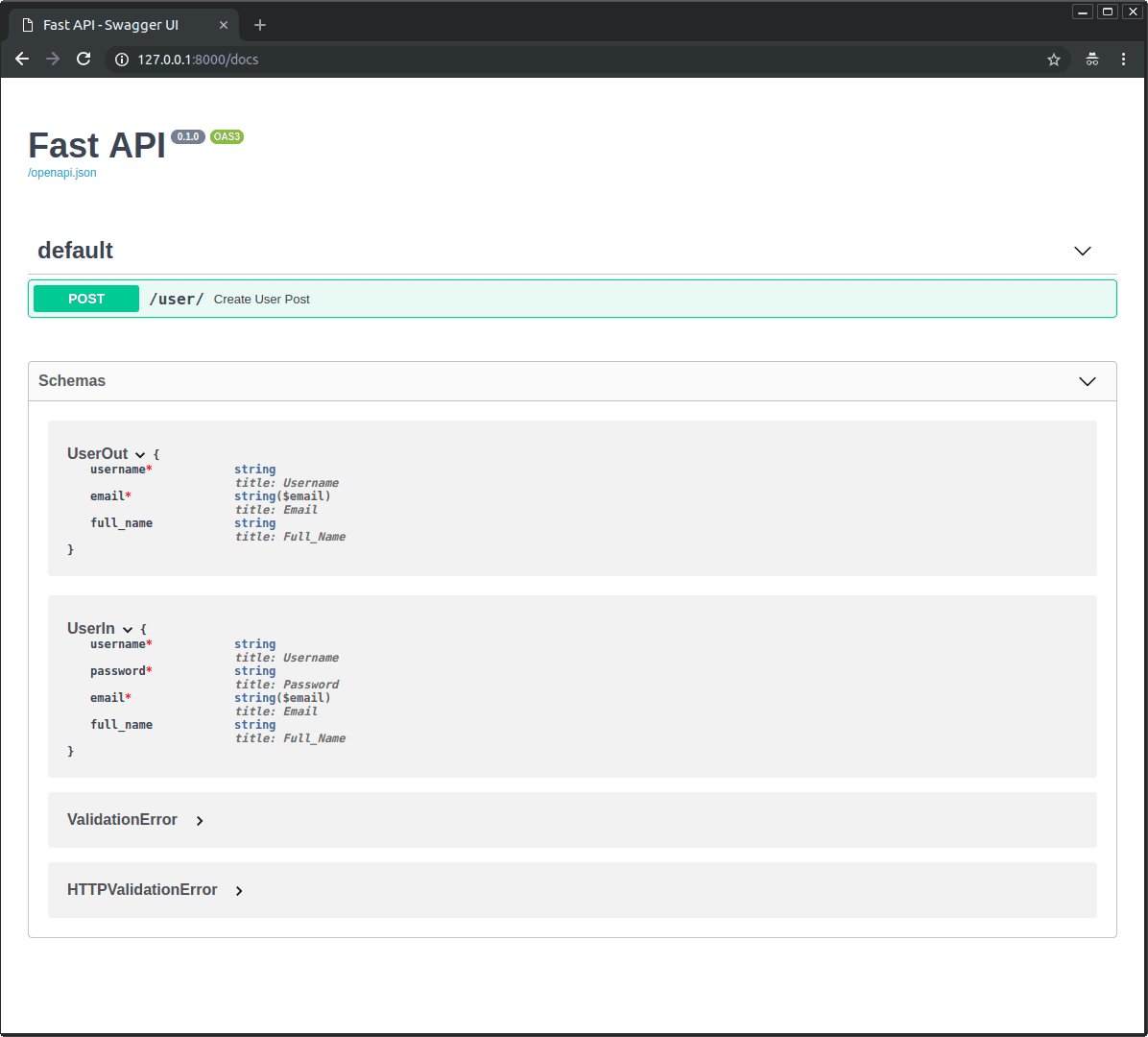
How do you prevent password_hash from appearing in a FastAPI response?
Tests FastAPI response filtering and the security practice of separating DB schemas from API contracts. A strong answer proposes a dedicated output model omitting the field, then cites response_model_exclude. Red flag: manual dict deletion or monkey-patching.
Model an Order with a nested Product list in Pydantic
It tests Pydantic nested model composition. Define Product as BaseModel, then Order with products: list[Product]; Pydantic recursively coerces each dict and raises ValidationError on failure. A red flag is insisting on manual iteration.
Ensure end_date is after start_date in Pydantic
Tests whether you know field validators see only one value and cannot compare siblings. Use a model validator instead, which receives the full instance and can compare start_date and end_date. Red flag: a field validator referencing the other field.
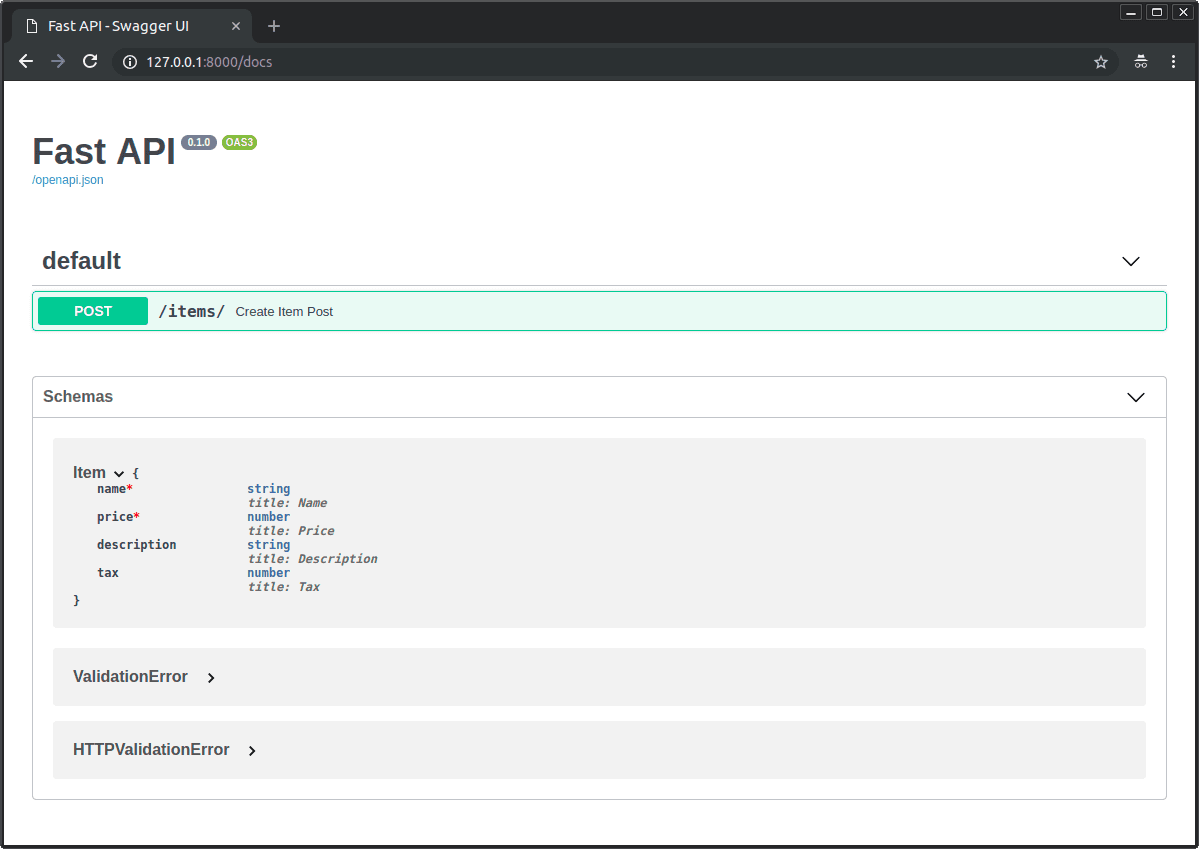
How do you define a Pydantic model and use it in FastAPI?
Subclass BaseModel with name str and age int, then type-hint the parameter with the model.
How would you use a Pydantic response_model to enforce output structure?
Tests separation of internal models from API contracts. Define a Pydantic output model with only safe fields, set it as the endpoint response_model, and let FastAPI filter and validate.
Define a FastAPI endpoint with path and query parameters
Tests if you know FastAPI infers parameter location from the route string. Good answer: route with {item_id}, signature item_id: int, q: str | None = None, noting any param not in the path becomes a query param.
Implement a FastAPI file upload endpoint with form data
Tests FastAPI multipart literacy. A strong answer names python-multipart, uses Annotated[UploadFile, File()] for the image, and Annotated[str, Form()] for user_id.
How do you create a reusable current-user dependency in FastAPI?
Tests DRY auth with FastAPI Depends. Answer: create get_current_user that Depends on OAuth2PasswordBearer, verifies token, returns User model, inject into routes. Red flag: middleware or manual header parsing in each endpoint.
How do you set a custom header and cookie in FastAPI?
Tests FastAPI temporal Response injection and merge behavior. Strong answer: inject Response, set headers via response.headers, cookies via set_cookie, then return the payload normally.
Implement a custom exception handler to catch ItemNotFoundError and return 404
Tests FastAPI exception handler registration beyond HTTPException. A strong answer covers creating a custom exception, using app.exception_handler, and returning a JSONResponse with status 404 and a structured body. Red flag: per-route try/except, plain dict.
How would you use BackgroundTasks to run work after returning a 201?
What it tests: FastAPI deferred execution and failure modes. A strong answer injects BackgroundTasks, adds the task, returns 201, and notes same-process post-response execution with no persistence. Red flag: Treating it as a distributed queue like Celery.
Access raw request bytes in FastAPI for webhook verification
Tests FastAPI's Starlette integration and stream semantics. Outline: inject Request and await request.body, but the stream is single-use so JSON parsing later fails and docs are lost. Red flag: suggesting a Pydantic model still works after consuming the body.
How do you declare a function as a dependency, and why?
Tests FastAPI dependency injection basics. Answer: create a function, import Depends, and add it to path operation parameters so FastAPI injects it. Purpose: routes declare what they need instead of hard-coding shared logic.
What is the purpose of yield in a dependency function?
Tests teardown logic in FastAPI dependencies. Yield splits setup from cleanup: code before yield runs pre-request, after yield runs post-response to close resources like DB sessions. Red flag: confusing it with return or thinking yield is only for generators.
How do you apply a dependency to an APIRouter without per-endpoint signatures?
Pass Depends() to APIRouter dependencies parameter; runs before every route in that router and shows in docs.
How would you override a FastAPI dependency during testing?
Tests your grasp of FastAPI's dependency override mechanism. A strong answer mentions app.dependency_overrides, notes that sub-dependencies are bypassed, and stresses clearing overrides after each test.
How do you use a Python class as a FastAPI dependency?
It tests whether you understand FastAPI DI beyond functions and when stateful encapsulation wins. Explain that Depends takes callable classes, centralizing setup and shared state in __init__. Red flag: claiming classes are pure syntactic sugar.
How does FastAPI execute setup and teardown in nested yield dependencies?
It tests FastAPI's dependency injection lifecycle and stack-like teardown for nested yield dependencies. Setup runs top-down; teardown runs bottom-up after the response. A red flag is claiming teardown order is arbitrary or follows garbage collection.