Everything in Agile & Scrum, page 2
Definition of Done: how does a shared DoD impact quality and predictability?
Increment is Sprint value; opaque states mislead inspection; shared standards create predictability.
How do you navigate separating what from how with a prescriptive PO?
Tests Scrum's boundary: PO owns value and what; Developers own how. Strong answers reframe the user outcome, propose the simpler solution in Sprint Planning with tradeoffs, and preserve autonomy without overriding the PO. Red flag: blind obedience or defiance.
Sprint Review vs Retrospective: purpose, focus, and audience
Review inspects the Increment with stakeholders to adapt the backlog; Retrospective inspects process to improve ways of working.

How do you identify and elevate your team's primary constraint using TOC?
Map value stream, measure queue and cycle times to find the slowest stage, exploit it, subordinate upstream WIP, elevate via automation, repeat.
How does Agile welcome changing requirements without chaos?
Whether you know that Agile embraces change only when supported by engineering discipline. Distinguish planned adaptability from reactive chaos by citing short feedback loops, evolutionary architecture, and continuous integration.
Ward Cunningham: Ship Early, But Repay Technical Debt
Ward Cunningham, who coined "technical debt," said shipping early to learn is like a loan: valuable only if you repay fast. Teams that never refactor see progress drop to zero as all effort goes to interest. Use debt to buy learning time, then refactor.
From Scrum Master to $200K AI Governance Officer
AI Governance roles hit $200K+, with Scrum Masters as top candidates under the EU AI Act. Like GDPR created the DPO, this mandates owners for AI inventory and risk, not lawyers.
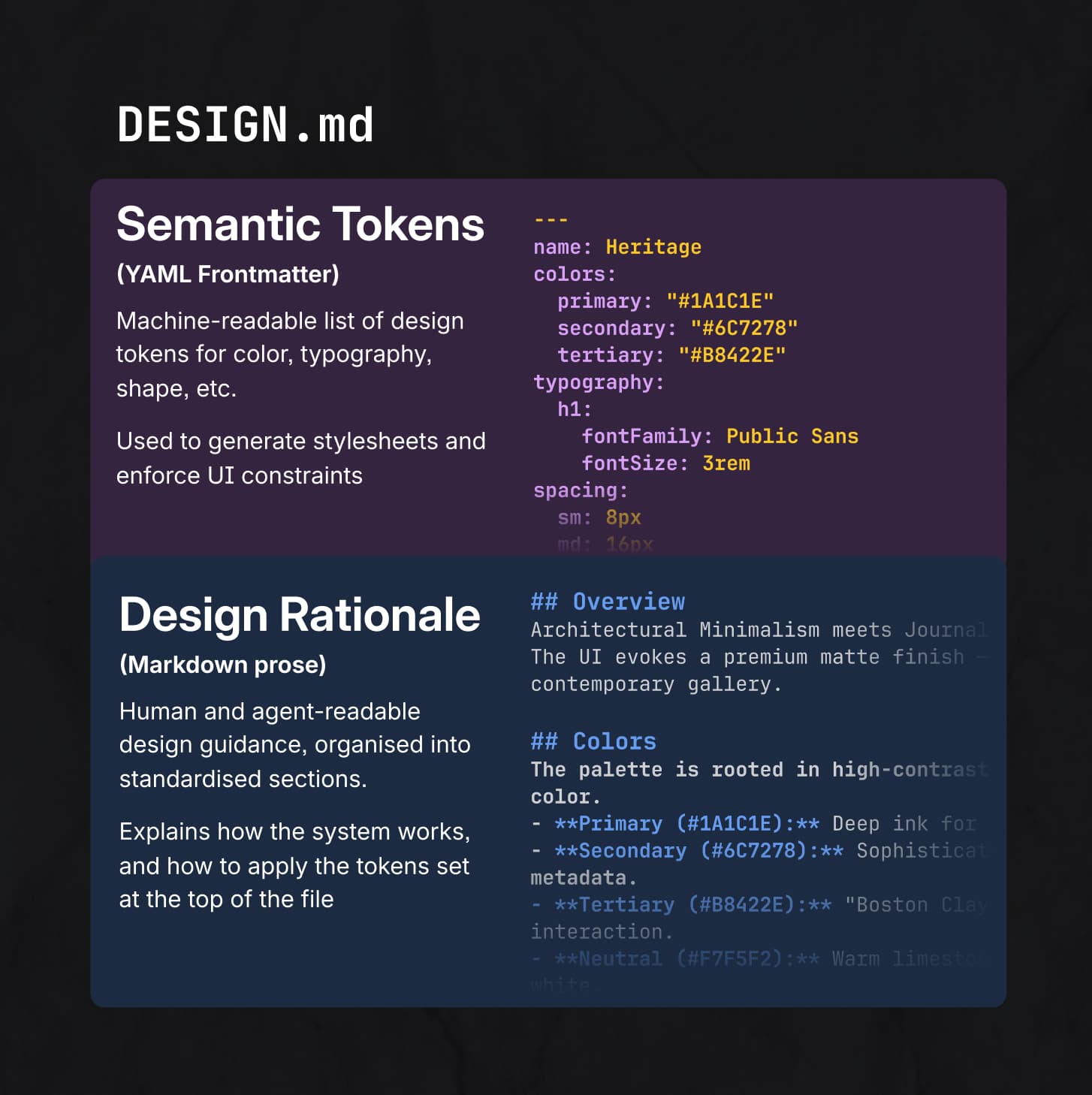
Atlassian: DESIGN.md trades depth for portability
Google's DESIGN.md cuts AI slop by giving agents portable brand context, but Atlassian found portability costs token efficiency and sophistication versus structured models. Weigh portability against depth for AI design workflows.
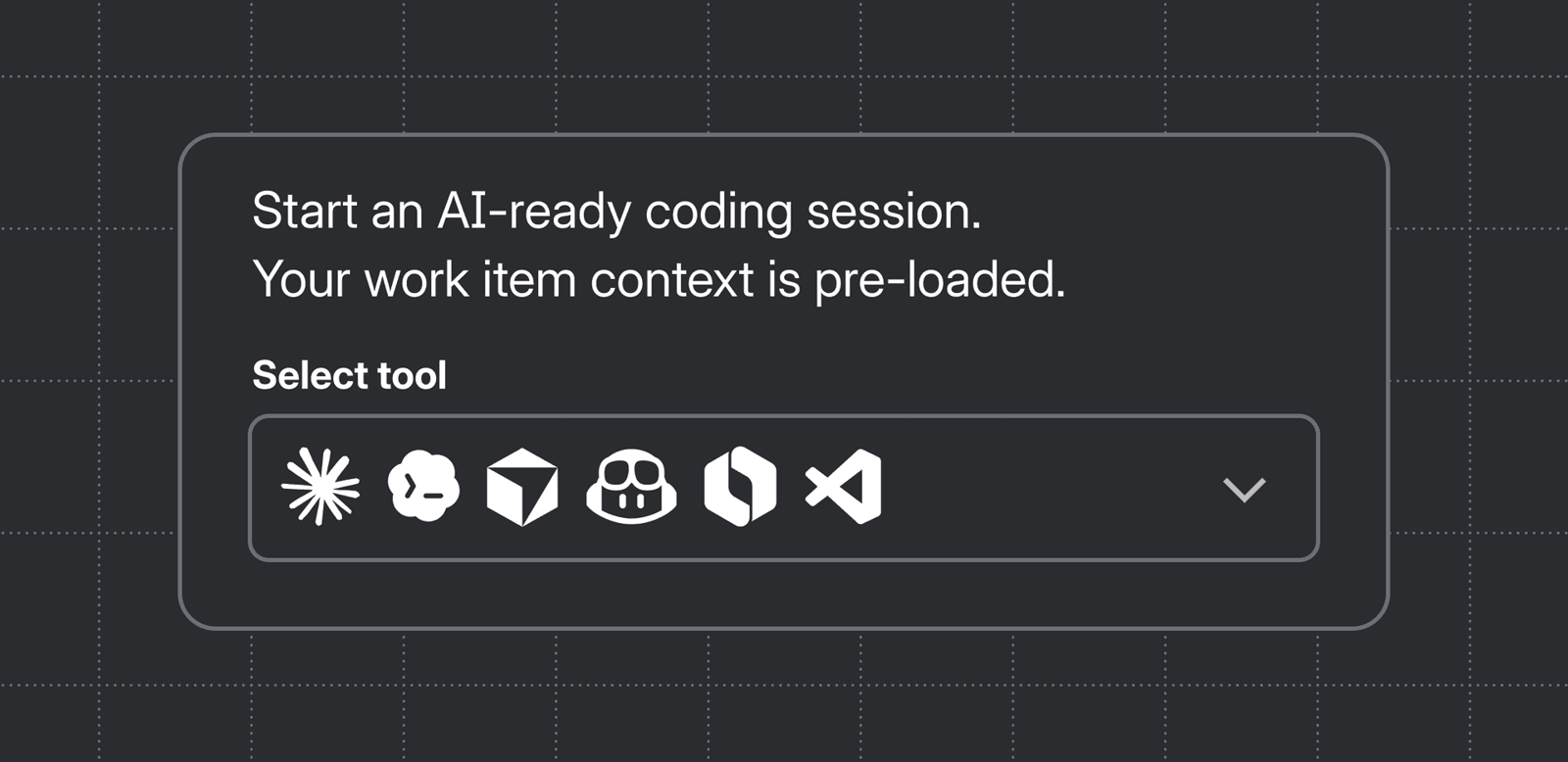
Jira adds one-click links to six AI coding agents
Jira now deep-links to six AI coding agents including Claude Code and Cursor, auto-filling work item context via Atlassian MCP to eliminate copy-paste. This removes the prompt-prep tax on every ticket for teams using Jira. Find it in the Development panel now.
Bitbucket beta adds live deployment status to PR lists
Bitbucket beta adds a Deployment column to PR lists showing live environment status per commit, cutting context switches to pipeline UIs during incidents. Existing Pipelines users get it automatically; others enable it by adding a deployment step to…

How would you frame technical debt for your manager's business case?
This tests translating debt into business risk and cost of delay. A strong answer quantifies velocity drag, proposes phased remediation via WSJF or capacity allocation, and offers roadmap trade-offs.

What is throughput and how does it differ from velocity?
Tests whether you know throughput is count-based and velocity estimate-based. Define throughput as items finished per sprint regardless of size, contrast velocity's point sum, pick throughput for forecasting and keep velocity for calibration.
How do you evolve a team from dependent to self-managing?
Tests situational leadership across Tuckman's stages. Answer: direct in Forming, facilitate conflict in Storming, observe in Norming, system-coach in Performing, and retire each stance as trust grows.
Velocity is fluctuating wildly. How would you coach the team?
Tests whether you treat velocity as a diagnostic, not a target. A strong answer checks story sizing, unplanned work, definition of done, and team stability before changing process. Red flag: demanding higher estimates or comparing teams to normalize velocity.

How would you advocate for decentralizing a deployment approval dependency?
Propose a pilot with guardrails; track lead time, defect rate, rollbacks; define escalation paths.
Manager wants to attend your Sprint Retrospective. Risk and response?
This tests your grasp of psychological safety in retrospectives. A strong answer cites the observer effect, proposes an alternative forum first, and sets ground rules if attendance is required.

What options exist when a story is too large for one sprint?
This tests vertical-slicing discipline versus architectural decomposition. A strong answer covers splitting by user value, checking INVEST criteria, and avoiding task-like layers. A red flag is proposing horizontal database or UI splits that defer feedback.
How should the team handle an oversized user story in Sprint Planning?
Split it vertically with the Product Owner, swarm the top slice, and renegotiate scope rather than overcommitting.
What structural impediments drive Zombie Scrum in agile transformations?
Spot project funding, component silos, absent real stakeholders, HR incentives that punish team autonomy, and a utilization culture killing improvement.

Quantify the cost of not addressing technical debt to a Product Owner
Model debt as velocity tax; forecast delays; map time to revenue; scope a slice.
We are hiring for this. Every open role lists the topics its interview covers, so you can prepare for the real thing rather than guessing.
See open roles