Everything in Agile & Scrum, page 9

Decomposing a Monolith: Technical Strategy
This tests your ability to create a practical, phased migration strategy from monolith to microservices. A strong answer defines service boundaries via Bounded Contexts, manages data with events, and uses an API Gateway for contracts.
How would you handle a SAFe rule that hinders agility?
Tests your ability to pragmatically adapt process instead of just complaining. A great answer identifies a specific SAFe rule, explains how it can backfire, and proposes a concrete alternative that still achieves the original goal.

Estimating Cross-Team Initiatives in PI Planning
This tests your ability to lead multi-team estimation. A good answer covers decomposing work, bottom-up team estimates, mapping dependencies, and synthesizing a risk-assessed plan. A red flag is a single top-down estimate that ignores team capacity.
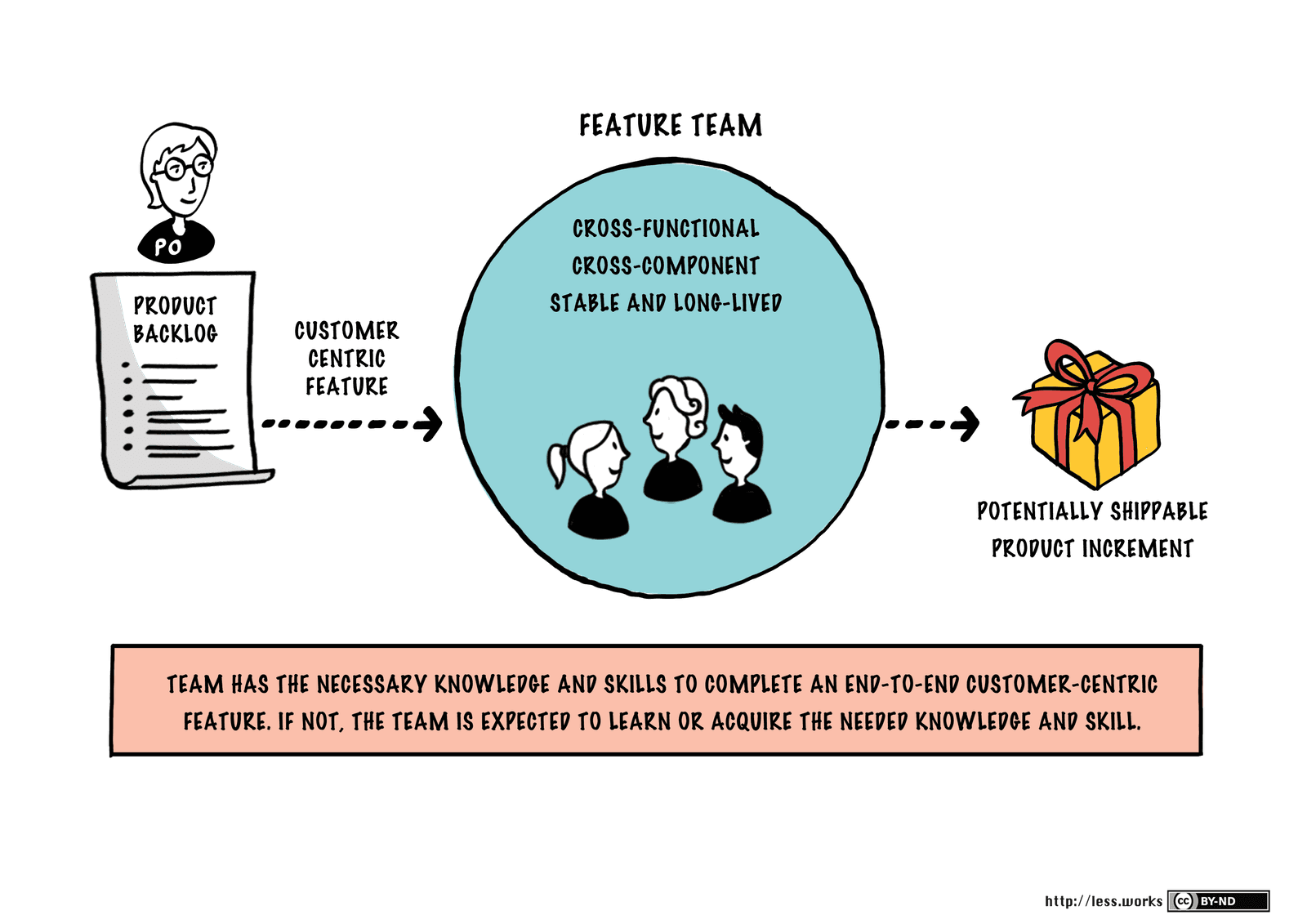
Technical Prerequisites for LeSS Feature Teams
Tests if you can link agile structure to technical architecture. A great answer covers codebase design for shared ownership, a fast CI pipeline for frequent integration, and a robust automated testing strategy.
What is the purpose of a shared 'Definition of Done'?
Tests your ability to ensure quality and transparency across multiple teams. A shared 'Definition of Done' is a formal description of quality for the integrated Increment. It ensures all work is combinable and shippable.
What is a Scrum of Scrums, and what do you share there?
Tests your understanding of scaling agile and representing your team's technical risks. A good answer defines it as a coordination meeting, not a status report, and focuses on sharing/receiving info on cross-team dependencies and blockers.
How would you apply Little's Law to a Kanban system?
This tests your ability to use metrics for process improvement. A great answer defines Little's Law for Kanban (Cycle Time = WIP / Throughput), explains how reducing WIP shortens cycle times, and gives a numerical example.
Diagnosing a Widening Code Review Band in a CFD
This tests data interpretation and problem-solving. A great answer defines the bottleneck, hypothesizes causes (capacity, PR size), proposes diagnostics, then offers solutions. A red flag is blaming individuals or jumping to a single, unverified solution.
Investigating Variable Sprint Velocity: Technical Root Causes
This tests your ability to diagnose team issues with data, not anecdotes. Propose technical hypotheses like flaky tests or merge conflicts and link them to metrics like CI/CD failure rates or PR cycle time. A red flag is blaming individuals or poor estimation.
Design and Implement an Upstream Kanban Process
Tests your understanding of managing demand vs. capability. A great answer defines Upstream Kanban as a pre-commitment filter, outlines board stages and policies, and explains how vetting work improves downstream predictability.

Diagnosing a Widening CFD 'Testing' Band
Tests your ability to interpret a CFD and propose data-driven experiments. A widening 'Testing' band means work enters faster than it leaves. Diagnose with experiments (e.g., tracking test failures, environment downtime) before proposing solutions.

How would you implement Classes of Service in Kanban?
This tests your understanding of risk management and differentiated service delivery. A good answer defines the 4 classes (Expedite, Fixed Date, Standard, Intangible), explains their different pull policies, and gives a risk-based example.

Explain Lead Time vs. Cycle Time on a Kanban board
This tests your grasp of core Kanban flow metrics. Define Lead Time (customer request to delivery) and Cycle Time (work start to finish). Measure Cycle Time from the first 'In Progress' column to 'Done'. Red flag: defining terms without explaining their value.

What columns would you set up on a new Kanban board?
Tests your grasp of workflow visualization, not just Agile terms. A good answer starts with To Do/In Progress/Done, then adds columns like Code Review to mirror the real process, and crucially, mentions setting WIP limits to manage flow and identify…
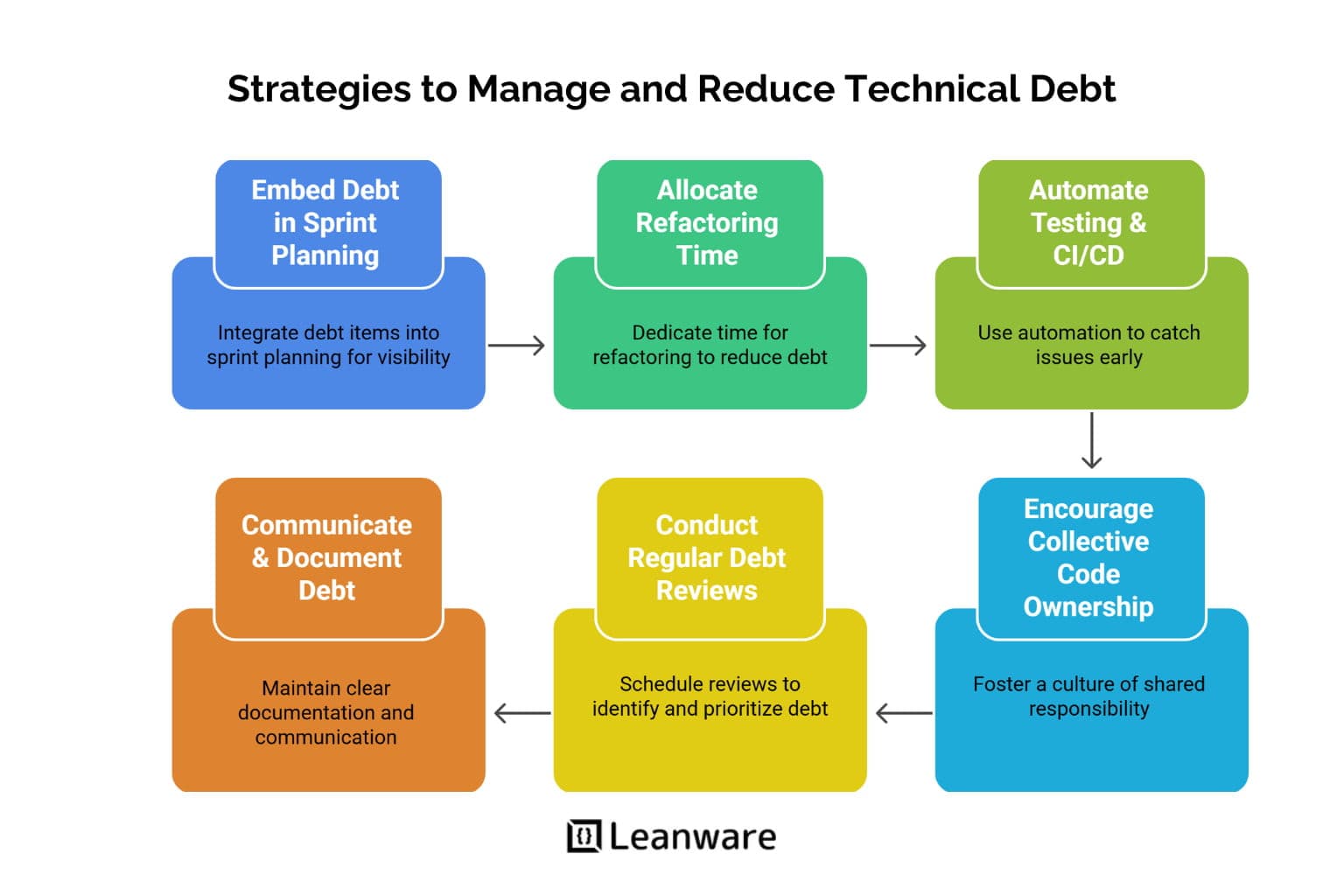
How do you strategically manage tech debt during product discovery?
This tests your strategic view of tech debt. A great answer defines intentional vs. unintentional debt, outlines a framework for tracking and repayment (like a debt backlog), and explains when it's a valid tool for MVPs.
Quantify and communicate a feature's cost/benefit trade-off
Tests your ability to influence product decisions with data. Quantify engineering cost (time, complexity, risk), then propose cheaper experiments like an MVP or fake door test to validate the hypothesis first.

How would you measure the success and impact of a new feature?
This tests your ability to connect engineering work to business value. A strong answer defines success metrics upfront, instruments code for quantitative data like adoption rates, and gathers qualitative feedback.
How do you adapt when user feedback invalidates your current sprint?
This tests your ability to connect process to technical strategy under pressure. A great answer involves immediately notifying the Product Owner, quantifying the impact, and proposing technical pivots like feature flagging.

MVP vs. Throwaway Prototype: Technical Differences
This tests your understanding of Minimum Viable Architecture (MVA). Differentiate by intent: a prototype is a throwaway concept test, while an MVP is a sustainable first version built on an MVA. A red flag is describing a sacrificial architecture for an MVP.
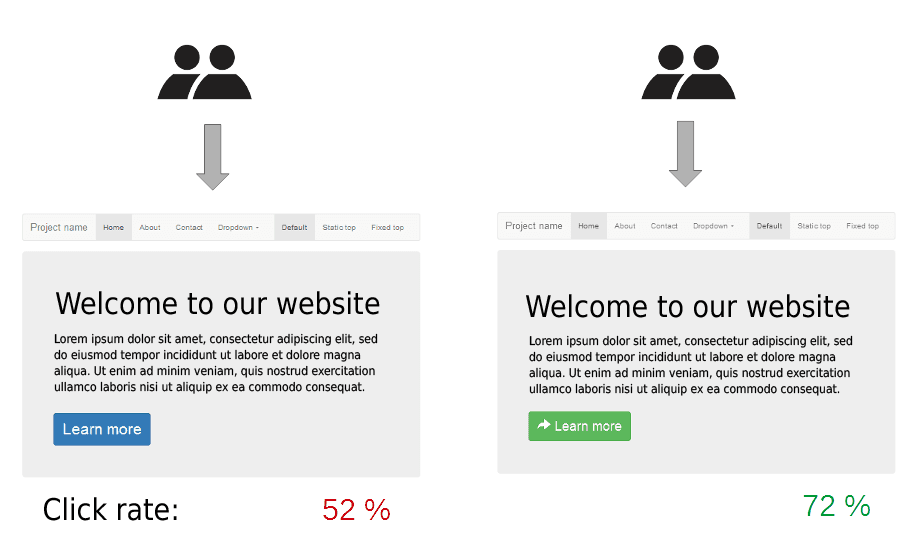
How would you A/B test a redesigned dashboard?
Tests translating a vague goal ('more engagement') into a concrete engineering plan. A good answer defines key metrics first, then outlines user bucketing, instrumentation, and statistical analysis.
We are hiring for this. Every open role lists the topics its interview covers, so you can prepare for the real thing rather than guessing.
See open roles