Everything in Agile & Scrum, page 10
Describe your role in user story refinement.
This tests your understanding of refinement as a collaborative de-risking process. A great answer details your role in clarifying requirements, identifying technical risks, breaking down work, and providing estimates. A red flag is passively receiving tasks.

What do you need in a user story beyond technical requirements?
This tests your product sense. A great answer asks for the user persona, the 'why' behind the request, and measurable success metrics. A red flag is focusing only on technical implementation details without understanding the core user problem.
When to formalize a cross-cutting concern?
Tests your judgment on architectural trade-offs. A good answer uses the "Rule of Three," weighs volatility and complexity to decide, and avoids dogmatic DRY. A red flag is immediately abstracting without considering the high cost of a shared solution.
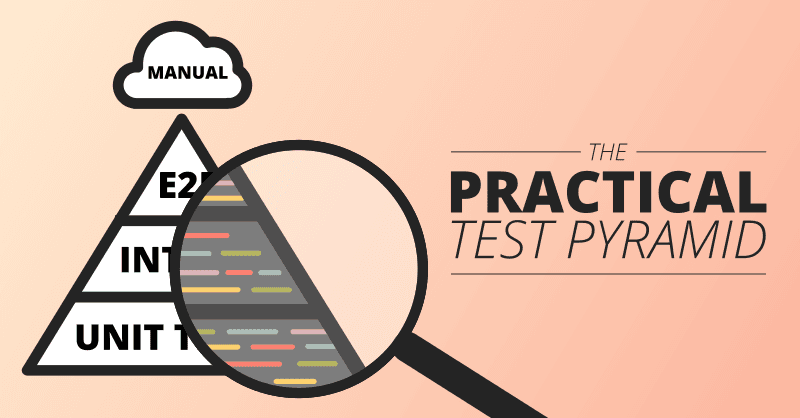
How do you fix an inverted test pyramid?
This tests your ability to create a pragmatic, multi-sprint plan to improve test suite health. A good answer involves analyzing tests, getting buy-in, then incrementally adding unit/integration tests while refactoring old E2E tests.
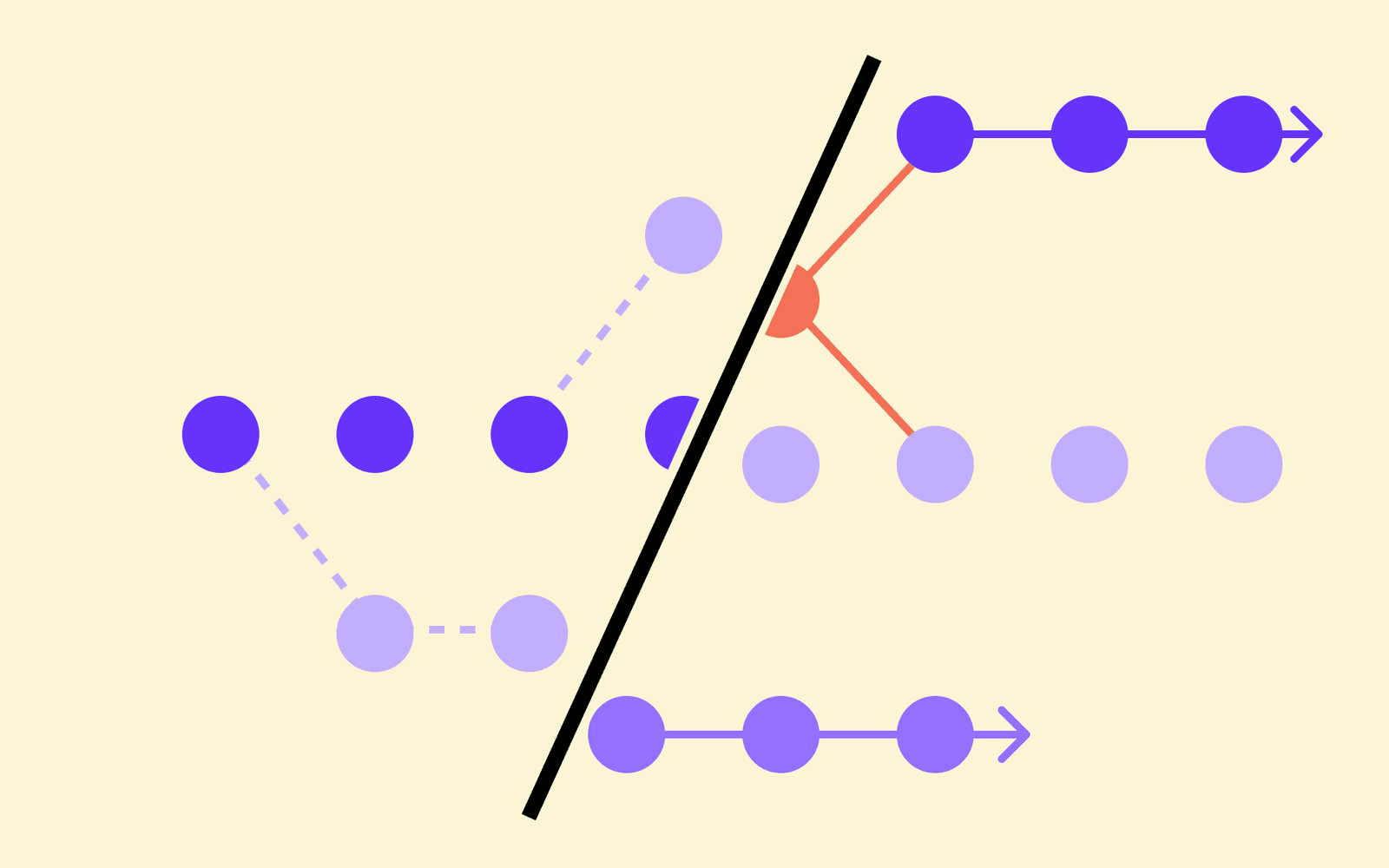
Trunk-Based Development vs. GitFlow for High-Frequency Releases
This tests your grasp of modern release strategy. Explain how TBD enables frequent merges to main, while feature toggles decouple deployment from release for safety. Contrast this with GitFlow's versioned release model.

What is the Strangler Fig pattern?
Tests your understanding of gradual legacy system modernization. A good answer defines the pattern (new system grows around old), outlines the steps (identify seams, build, redirect traffic), and links it to Agile's incremental value delivery.
How would you introduce TDD to a team?
Tests your ability to drive change pragmatically. A great answer outlines a gradual adoption: start with a pilot, gather data on bug rates and velocity, and scale based on demonstrated value. A red flag is demanding immediate, universal adoption.

Describe a CI/CD pipeline for a containerized web app
This tests your grasp of automated quality control in software delivery. A strong answer details the CI, build, staging, and production stages, emphasizing quality gates like security scans and E2E tests.
Balancing Emergent Design with Long-Term Architectural Vision
This tests your ability to balance agile practice with large-scale system needs. Explain how an "Architectural Runway," built with "Enablers," reconciles emergent design with intentional architecture for near-term features.
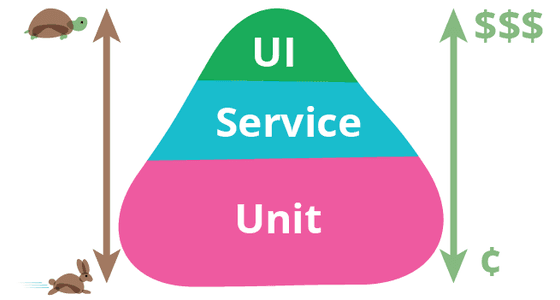
Explain the Test Pyramid and how it guides your strategy.
Tests your grasp of balanced automated testing. Define the pyramid's layers (Unit, Service, UI), explain trade-offs like speed and cost, then apply it to a new service. A red flag is describing the layers without explaining the 'why' behind the shape.
Describe the Red-Green-Refactor cycle in Test-Driven Development
This tests your grasp of TDD's core loop and its design benefits. Outline the cycle: Red (failing test), Green (minimal code to pass), and Refactor (clean up). Mention creating a test list first. A red flag is ignoring the critical Refactor step.
How to Handle Poor Quality in a 'Successful' Sprint?
This tests your commitment to transparency and the Definition of Done. A great answer involves being honest about technical debt in the Sprint Review, then strengthening the DoD in the Retrospective. A red flag is hiding the problem from stakeholders.
How do you make a Sprint Review more than a demo?
Tests your understanding of Scrum's purpose beyond ceremony. A great answer outlines how an engineer can partner with the PO, structure the meeting for feedback, and ensure that feedback directly influences the backlog.
How do you ensure retro action items are implemented?
Tests your ability to make process improvements concrete within Scrum. A great answer suggests adding the top improvement item from the retro directly into the next Sprint Backlog.
How do you handle negative stakeholder feedback in a Sprint Review?
This tests if you see feedback as successful adaptation, not failure. A good answer has the PO capture feedback as new backlog items for prioritization, without immediate commitment, and the team discusses process improvements in the retro.
Sprint Retrospective: What's the output and what happens next?
This tests if you see Scrum as an action-oriented framework. A good answer identifies concrete improvement items as the output and explains that the most impactful one is added to the next Sprint Backlog as a formal work item.
Team Delivers 'Done' Work, But No Stakeholder Value
This tests your ability to diagnose why an efficient Scrum team isn't effective, focusing on the feedback loops that ensure value delivery. A great answer pinpoints failures in the Sprint Review, the Sprint Goal, and backlog refinement, not just the Product…
Handling a Mandated DoD on a Legacy System
This tests your ability to balance organizational standards with team reality and drive incremental improvement. Acknowledge the org DoD, create a realistic team DoD, and make the gap transparent with a concrete plan to close it.
How to address a teammate working on low-priority tasks?
This tests your understanding of peer accountability and Scrum roles. A good answer starts with a private conversation, focuses on the Sprint Goal, and uses Scrum events for transparency before escalating.
How do you help establish a Sprint Goal?
This tests your agency beyond coding and your ability to facilitate collaboration. A good answer involves asking probing questions to find a theme, suggesting a value-oriented goal, and getting team buy-in. A red flag is passively accepting the task list.
We are hiring for this. Every open role lists the topics its interview covers, so you can prepare for the real thing rather than guessing.
See open roles