All bites
The whole library, newest first. Filter by what you are here for, or pick a topic if you already know.
4330 bites
Page 24
Move from flat to usage-based billing
Reliable usage capture, idempotent aggregation into billing periods, and reconciliation with the provider.

Design a pricing-page A/B test for $10 vs $15 plans
This tests sticky bucketing and revenue attribution. Hash user IDs to lock variants, persist assignments server-side, and join experiment logs to subscriptions via shared IDs. Red flag: client-side randomization that flickers or breaks billing context.

How would you detect and mitigate free trial abuse?
Device fingerprinting, rate limits, progressive verification, and behavioral scoring; weigh precision vs false positives and effort.

Propose a scalable entitlement architecture for complex rules
Tests separation of hot-path reads from async policy work. Great answers: edge-cache plan tokens; stream quota usage async; isolate rules in a microservice. Red flag: doing a DB lookup or sync quota check per request.

Design real-time usage-based billing data architecture
Tests whether you can guarantee exactly-once billing at scale without data loss. Strong answers cover idempotent Kafka ingestion, ClickHouse aggregation, reconciliation, and audit trails. Red flag: claiming exactly-once instead of at-least-once dedup.

Architect dynamic region-specific pricing for a global SaaS product
One SKU with currency-specific rate charges; jurisdiction tax engine; immutable checkout snapshot; amendment for moves.

KPIs for a new registration form and technical instrumentation
Tests pairing outcomes with instrumentation. Pick a conversion KPI and a field-level friction KPI, then explain client-side events correlated with server logs while scrubbing PII. Red flag: relying solely on frontend analytics or vanity metrics.

Describe leading vs lagging indicators with technical performance examples.
Tests your ability to distinguish predictors from outcomes. A strong answer defines causality, offers a leading metric like cache hit rate, and a lagging metric like P99 latency. Red flag: offering only business metrics or confusing activity with outcomes.
User session length dropped 15%: what technical issues and data to check?
Tests structured incident response. Outline: check exposure traffic, deployments, platform splits, and instrumentation bugs like dupes or bots. Red flag: blaming users before ruling out data quality or deployment changes.

Monitor p99 improvement from 500ms to 200ms and side effects
Tests systems-thinking on tail-latency instrumentation and metric tradeoffs. Strong answers cover histogram metrics, distributed tracing for fan-out bottlenecks, and guarding error rates, cost.
Design quantifiable proxy metrics for a microservices velocity claim
Use DORA velocity and stability metrics plus leading indicators like build and PR cycle time.

How do outcome-oriented goals change implementation and testing?
Tests whether you engineer for measurable behavioral change, not just shipping. Strong answers cover baselining, telemetry, small experiments, and user-data validation. Red flag: treating the goal as a PM issue and focusing only on on-time delivery.
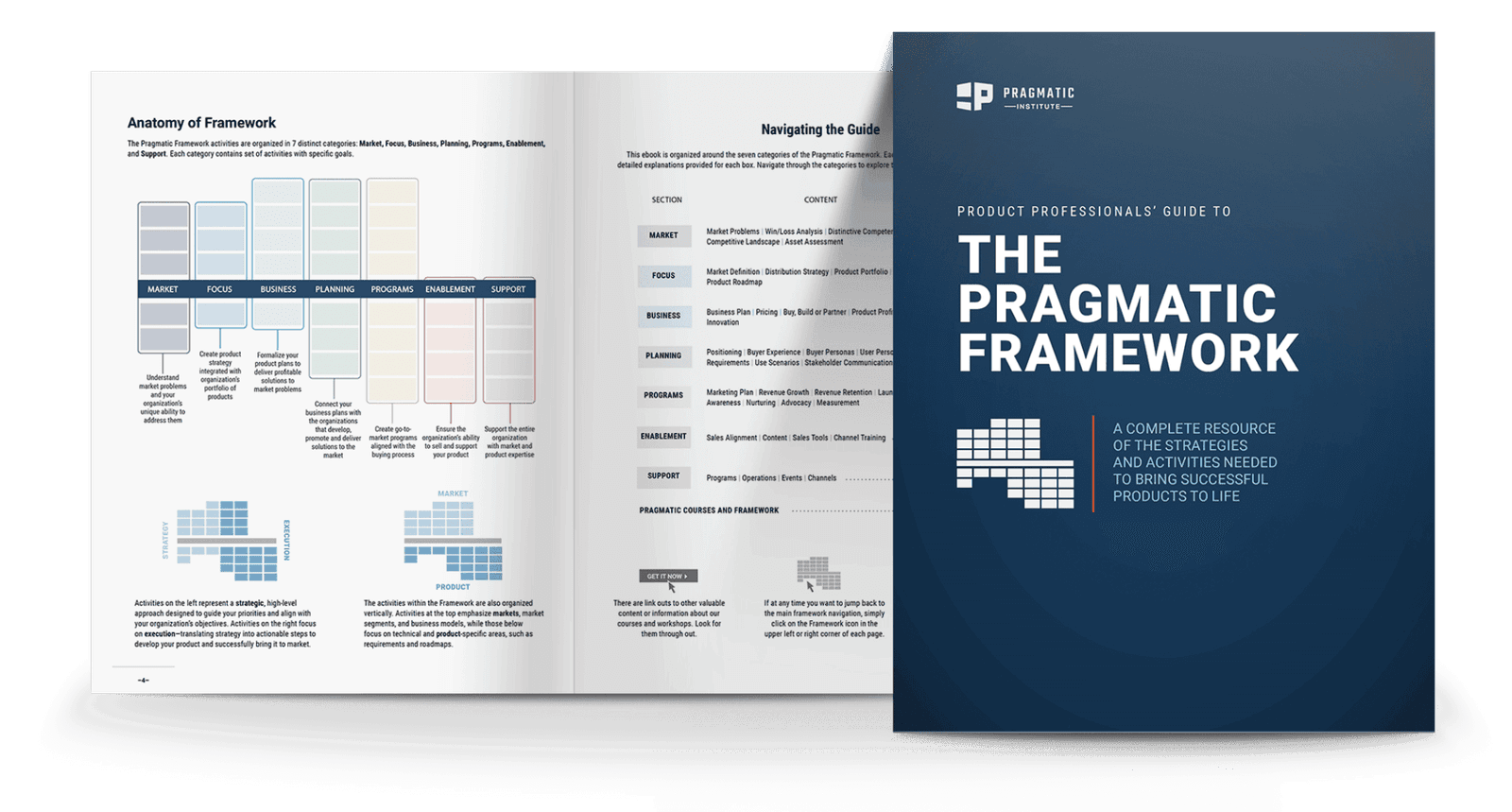
What questions assess strategic alignment before estimating effort?
This tests whether you validate business context before scoping. Ask: what market problem is solved, which company competency or asset is leveraged, and what metric proves success. Red flag: estimating before confirming strategic fit.
What artifacts and processes mitigate cross-team API dependency risks?
This tests de-risking external API dependencies via contracts. A strong answer proposes an OpenAPI spec as the source of truth, mock servers for parallel work, and automated CI validation.
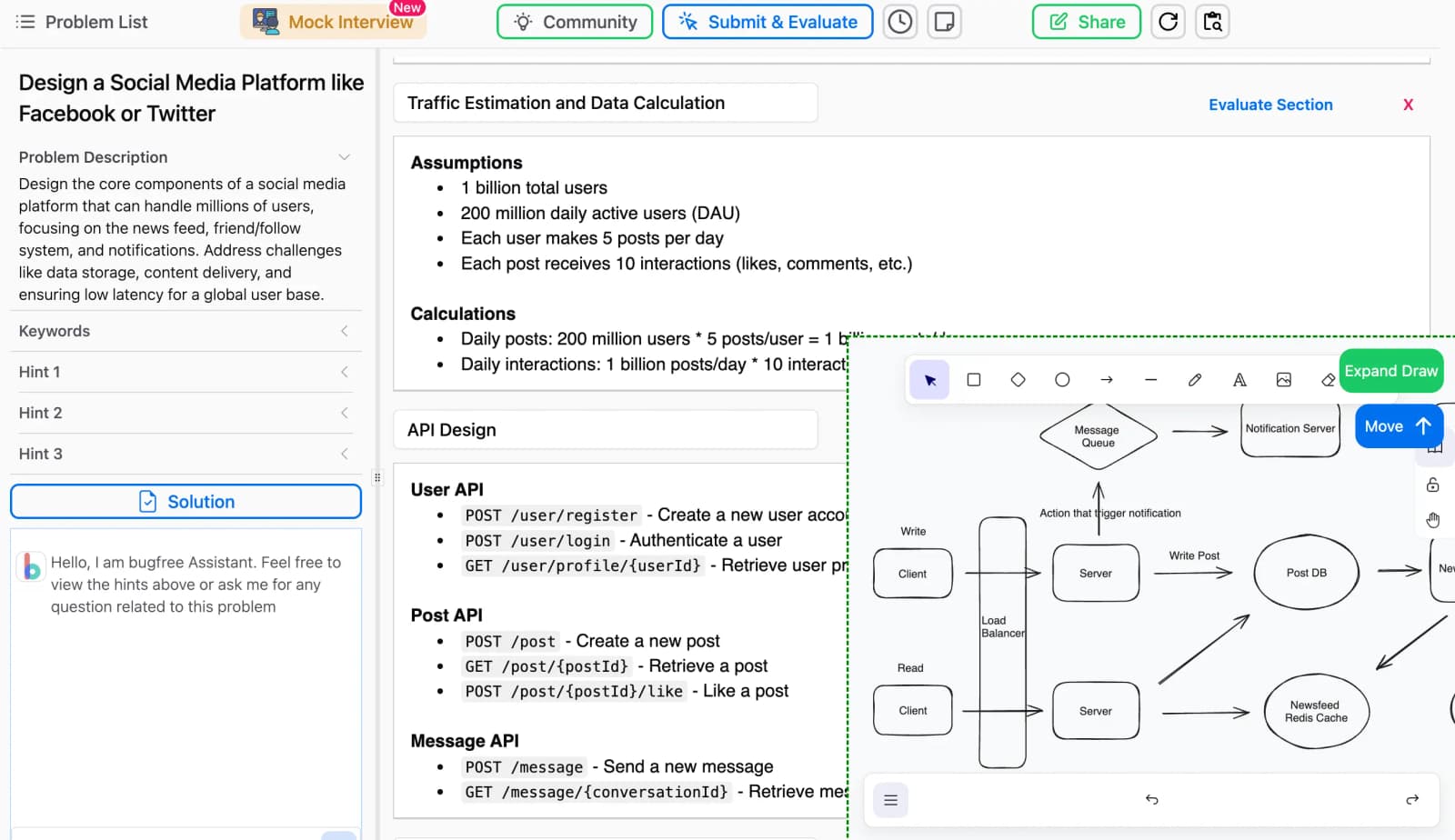
Your feature launches but engagement doesn't move. What's engineering's role in diagnosis?
Validate data, segment users, test tech and behavioral hypotheses, propose experiments.

How would you structure a technical strategy parallel to the product roadmap?
Anchor on product vision; use RICE for work vs features; ship incremental milestones; validate with product.

What process do you initiate when a competitor disrupts your core value?
This tests strategic technical judgment under market pressure. A strong answer covers rapid threat assessment, feasibility spikes, and option analysis weighing speed versus debt, then proposes a staged plan.

How would you track technical health against the strategic roadmap?
Bridging engineering health signals to roadmap decisions. Combine DORA metrics, performance budgets, and architectural fitness into a scorecard with thresholds that force roadmap negotiation when health declines. Wrong: no feedback loop into roadmap.
How would you propose an MVP for a social sharing feature?
Tests whether you can isolate the smallest releasable slice that validates user value. Propose one sprint covering auth, share creation, and a minimal feed. Avoid cutting every requirement by 30 percent or skipping observability.

How do you prioritize a P1 bug versus a sales-driven feature request?
Use impact-effort or weighted scoring; check if the 1% crash hits paid tiers; verify deal size, probability, and stage; weigh maturity.