All bites
The whole library, newest first. Filter by what you are here for, or pick a topic if you already know.
8668 bites
Page 90
Trade-offs: product teams vs project teams and funding model impacts
This tests funding impact on architecture. Contrast temporary project teams funded by scope versus product teams funded by problems; tie rolling budgets to ownership and refactoring. Red flag: claiming agile ceremonies fix org design while ignoring funding.
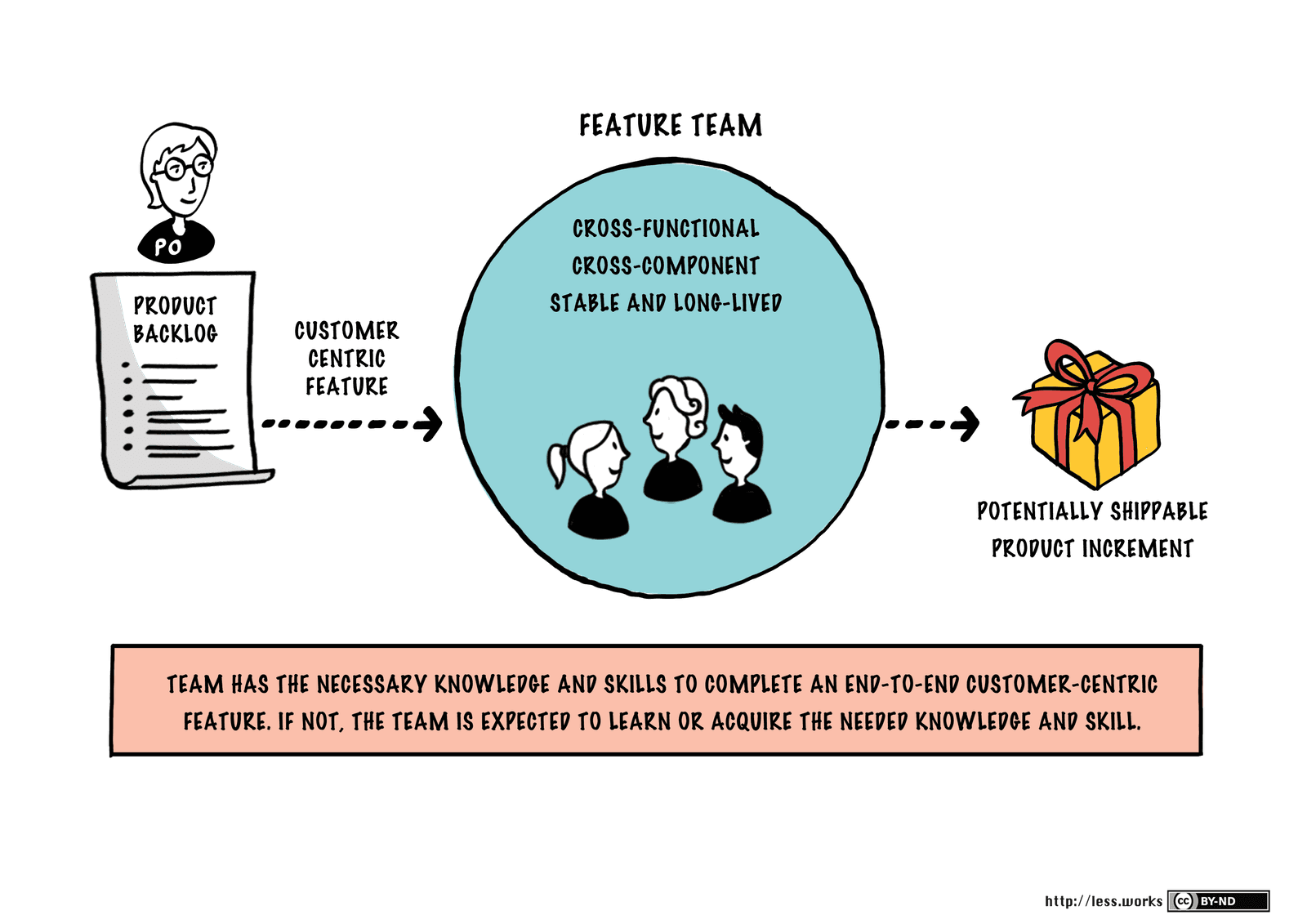
What codebase and CI/CD prerequisites enable LeSS feature teams?
Tests technical enablers for LeSS feature teams. Strong answers cover sub-10-minute CI, trunk-based development, comprehensive test automation, and decoupled architecture. Red flag: claiming coordination replaces shared ownership and continuous integration.
Purpose of a shared Definition of Done for multi-team products
This tests empirical transparency across teams building one Increment. A shared DoD forces cross-team integration and testing before Sprint end. Letting teams keep separate DoDs hides integration debt and breaks transparency.
Sprint velocity is highly variable. What technical root causes do you check?
Check scope stability via carryover, flow via cycle time, quality via rework, and estimation via point variance.
How do you adapt in-progress work when feedback invalidates a key assumption?
Alert the PO, renegotiate Backlog if the Goal is at risk, use feature flags to isolate invalidated logic.
Sprint Goals met but features don't solve stakeholder problems
Cite weak Product Goal alignment, shallow Review inspection, and missing outcome metrics.
A task takes longer than estimated, jeopardizing the Sprint Goal. Next steps?
This tests empirical adaptation when forecasts fail. Strong answer: inspect in the Daily Scrum, adapt scope with the Product Owner, and protect the Sprint Goal via self-management.
What strategy would you propose to fix an unmanageable backlog?
Expose bloat, inspect for value so the PO re-orders and trims waste, then inspect regularly.
How does a self-managing team resolve strong technical disagreements without escalation?
This tests if you see conflict as healthy creative tension. A strong answer covers timeboxed dialogue, multi-voting with reasoning, and the senior dev as neutral facilitator. A red flag is letting the senior dev dictate the answer or escalate to management.
Definition of Done: how does a shared DoD impact quality and predictability?
Increment is Sprint value; opaque states mislead inspection; shared standards create predictability.
How do you navigate separating what from how with a prescriptive PO?
Tests Scrum's boundary: PO owns value and what; Developers own how. Strong answers reframe the user outcome, propose the simpler solution in Sprint Planning with tradeoffs, and preserve autonomy without overriding the PO. Red flag: blind obedience or defiance.
Sprint Review vs Retrospective: purpose, focus, and audience
Review inspects the Increment with stakeholders to adapt the backlog; Retrospective inspects process to improve ways of working.

How do you identify and elevate your team's primary constraint using TOC?
Map value stream, measure queue and cycle times to find the slowest stage, exploit it, subordinate upstream WIP, elevate via automation, repeat.
How does Agile welcome changing requirements without chaos?
Whether you know that Agile embraces change only when supported by engineering discipline. Distinguish planned adaptability from reactive chaos by citing short feedback loops, evolutionary architecture, and continuous integration.
Nuxt 4.4 Adds Custom Fetch Factories and Router v5
Nuxt 4.4 ships createUseFetch factories, Vue Router v5, and 28x faster dev route updates. Custom fetch instances with typed defaults cut API boilerplate, while the router upgrade drops unplugin-vue-router and clears the path for stable typed routes.
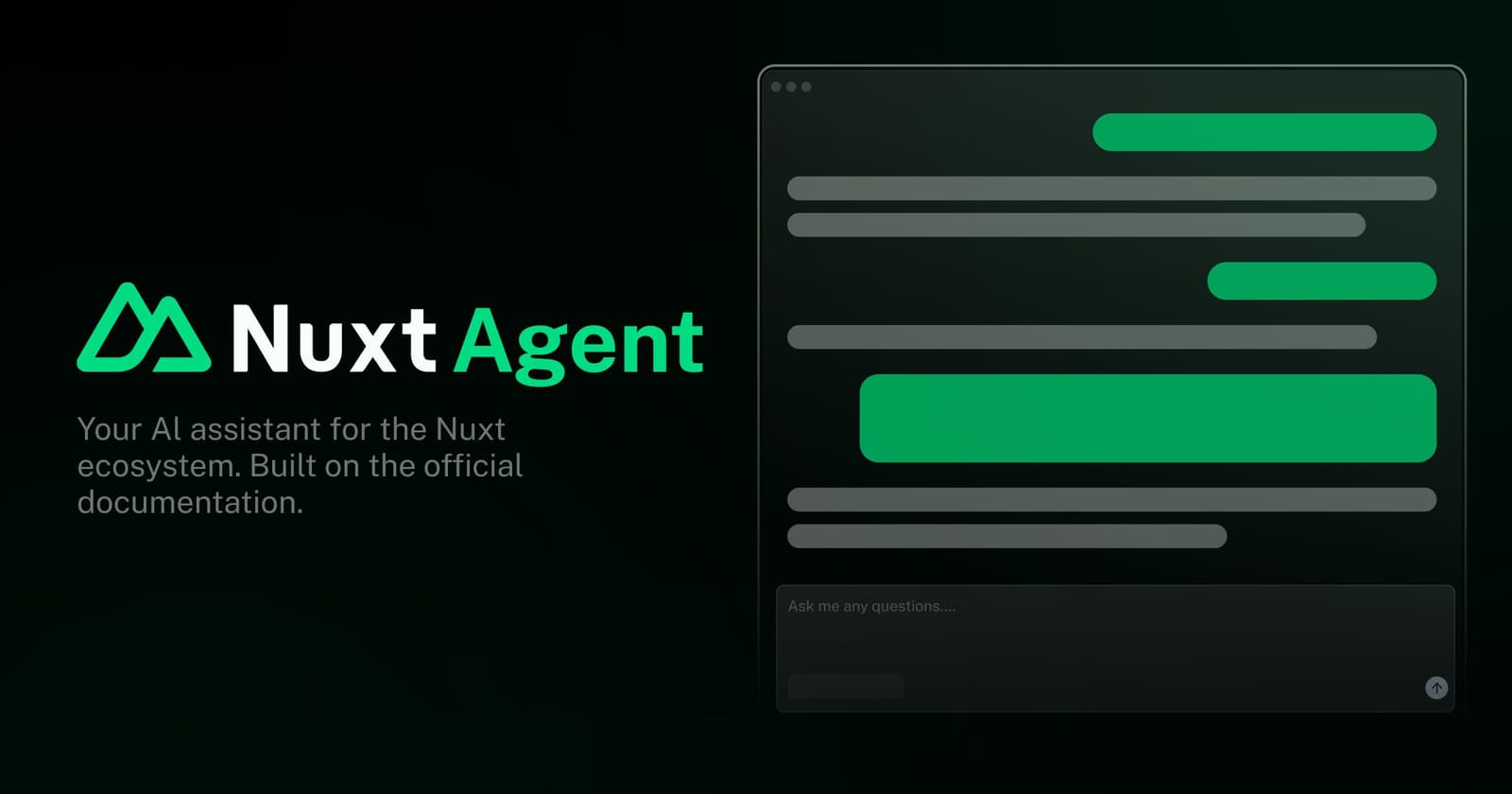
Nuxt Agent beta replaces docs chat with MCP assistant
Nuxt Agent beta replaces Kapa.ai with an MCP assistant rendering module cards and StackBlitz links as live UI. It grounds answers in docs and GitHub issues via the same MCP server Cursor uses. Try the ⌘I panel on nuxt.com to see if it cuts your.
Nuxt ships Nuxi AI agent with context-aware docs help
Nuxt's AI agent Nuxi grounds answers in docs, modules, and GitHub issues using your current page context. GitHub sign-in syncs chats across devices, while branching lets you fork conversations. Use it to cut doc-hunting time and find v4 patterns faster.
SvelteKit 2.56 overhauls remote functions, adds TypeScript 6.0
SvelteKit 2.56 overhauls remote functions with breaking changes to query refreshes, caching, and a new run() method, plus TypeScript 6.0 support. The Svelte CLI adds experimental community plugins. Audit your remote function calls before upgrading.
SvelteKit 2.61 breaks remote functions, adds live queries
SvelteKit 2.61 removes .run() from remote queries and rewrites enhance callbacks, forcing refactors. New query.live() adds async-iterable real-time streams. If you use remote functions, check three breaking changes before upgrading.
Angular v22 stabilizes Signal Forms, Aria, Asynchronous Reactivity APIs
Angular v22 promotes Signal Forms, Angular Aria, and Asynchronous Reactivity APIs from developer preview to production-ready status, giving teams stable primitives for reactive forms, accessibility, and async signals without experimental guardrails.