Copy Editing: More Than a Spell Check
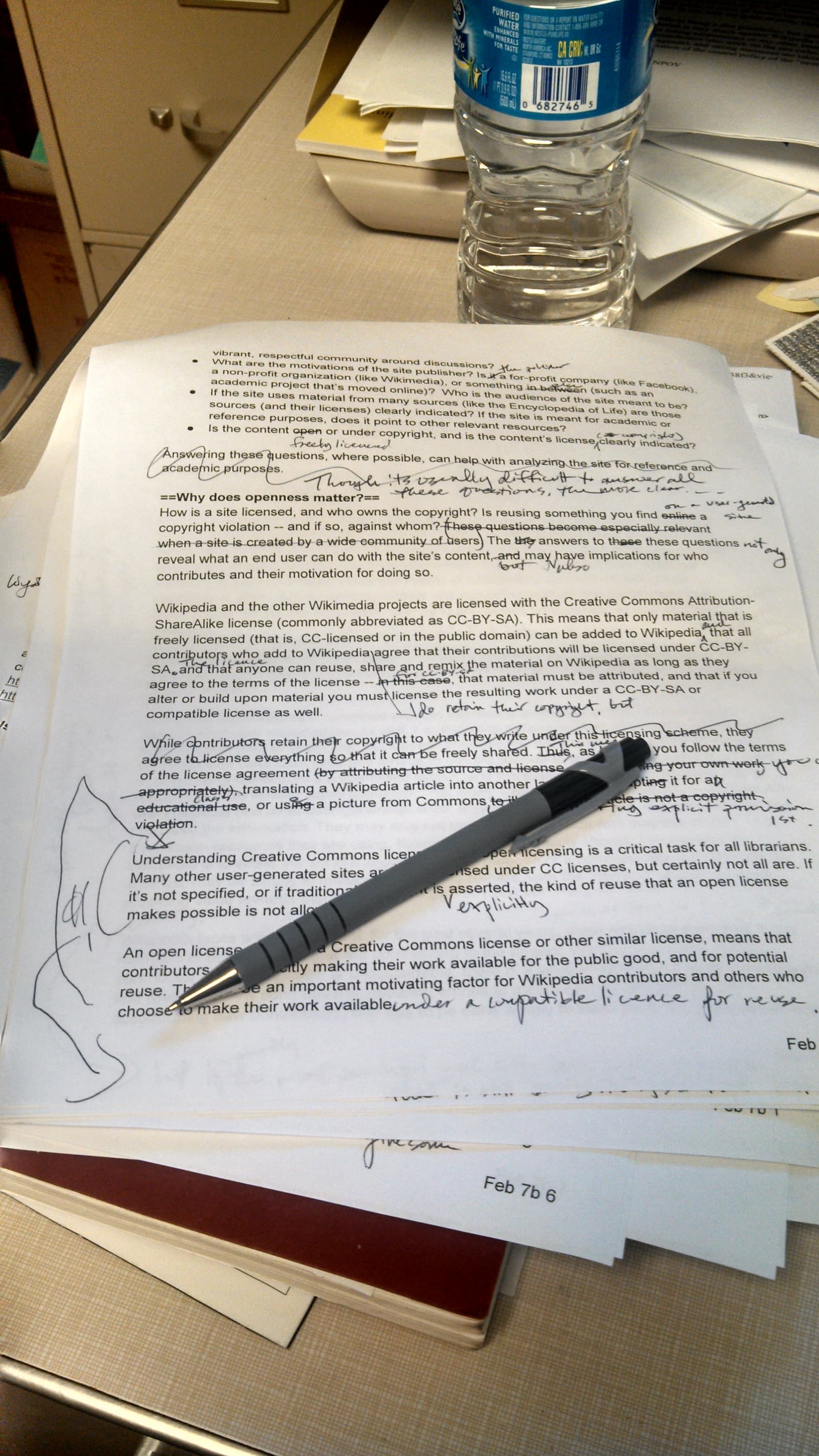
Copy editing is structural work on your writing, fixing clarity, flow, and accuracy—not just a final spell check. It happens after drafting but before layout, ensuring the core message is sound. The footgun is asking for a proofread when you need a copy edit.
WHY IT EXISTS: To bridge the gap between a writer's raw draft and a polished, professional piece of communication. A first draft often has logical gaps, awkward phrasing, and inconsistencies that the author is too close to see. Copy editing provides an expert, objective eye to ensure the text is not just correct, but also clear, coherent, and effective for the reader.
THE MENTAL MODEL: Copy editing is like a mechanic performing a full service on a car, while proofreading is like a detailer giving it a final wash and wax. The copy editor checks the engine (logic), transmission (flow), and steering (clarity), making sure the vehicle runs smoothly. The proofreader just polishes the paint and cleans the windows (typos, formatting errors) right before it goes to the showroom. You need both, but they are different jobs at different stages.
HOW IT WORKS: A copy editor takes a manuscript and performs a multi-level review. This starts with mechanical corrections like fixing grammar, spelling, and punctuation. It then moves to a higher level, addressing style and tone to ensure consistency. The most intensive work involves improving clarity and flow by rephrasing sentences, reorganizing disorganized passages, and flagging factual inaccuracies or logical inconsistencies. This process happens before the text is laid out or typeset.
WHEN TO USE IT: Use copy editing after you have a complete draft but before it goes into final design or layout. It's essential for any high-stakes content: technical documentation, marketing materials, books, major reports, or any public-facing text where clarity and professionalism are paramount. It's the step that turns a good draft into a great published piece.
WHEN NOT TO USE IT: Don't request a copy edit for a very early, exploratory draft where the core ideas are still in flux; that's closer to developmental editing. Also, don't use a copy editor for a final, typeset document that's ready to print; at that stage, you need a proofreader to catch surface-level errors introduced during layout.
ONE CANONICAL EXAMPLE: The Chicago Manual of Style describes copy editing as a comprehensive process. It ranges from "simple mechanical corrections" (like fixing a comma splice) to "substantial remedial work" on issues like "disorganized passages, baggy prose, and muddled tables and figures." This shows that a true copy edit goes far beyond just grammar.
Read the original → en.wikipedia.org
Get five bites like this every day.
Tezvyn delivers a daily feed of 60-second tech bites with quizzes to lock in what you learn.