How would you instrument a feature to validate qualitative findings quantitatively?
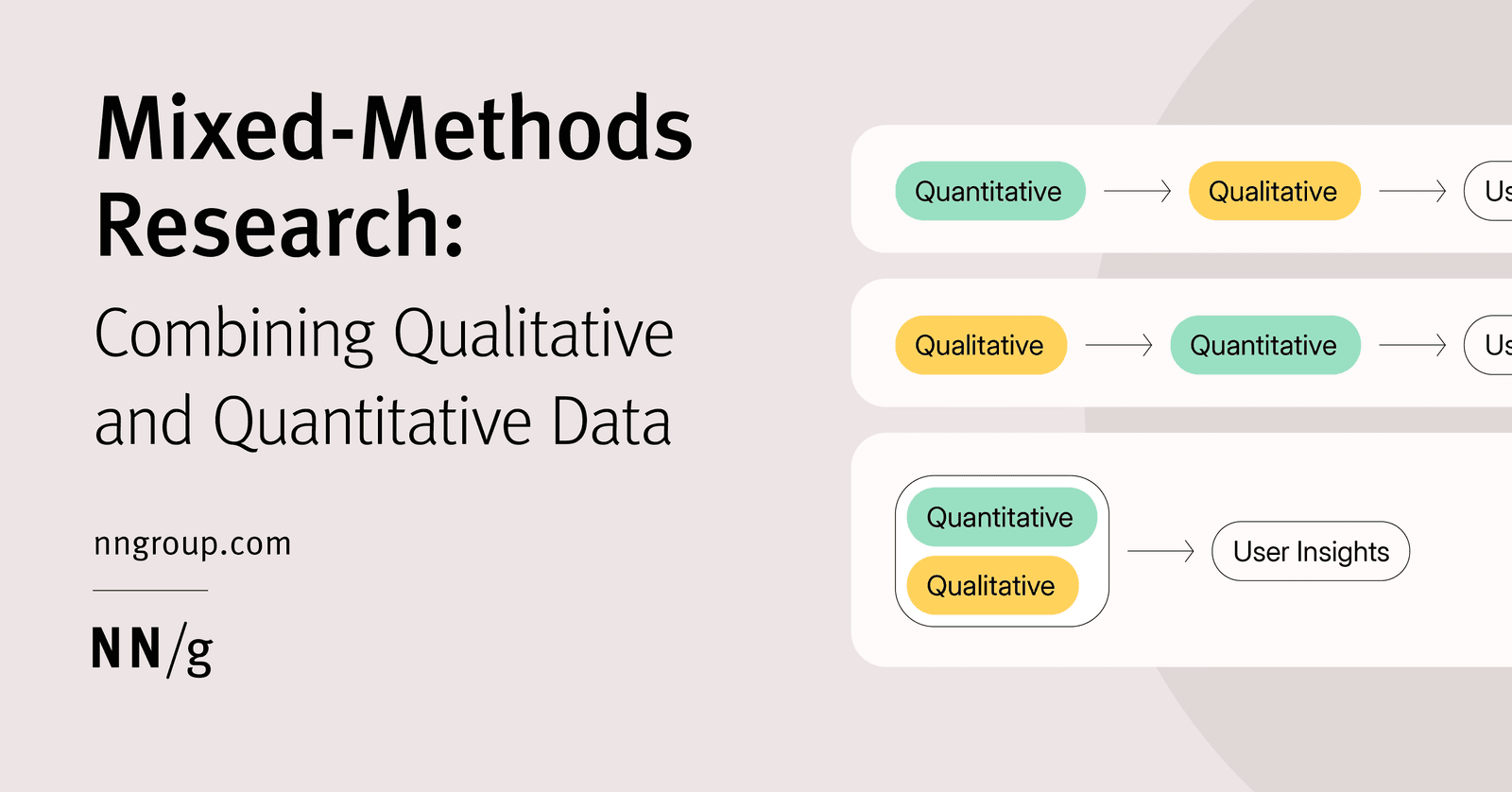
turning UX hunches into telemetry.
mapping themes to events, picking guardrail and success metrics, and sampling.
generic analytics with no traceability to the original insight.
What's really being asked
This question evaluates whether you can intentionally integrate qualitative and quantitative methods rather than treating them as isolated activities. The interviewer wants to see that you understand how to turn thematic insights from interviews or usability tests into precise, traceable telemetry. Senior candidates are expected to demonstrate experimental thinking: defining what would confirm or refute a hypothesis, choosing the right grain of data, and guarding against false positives.
The full answer
First, a traceability step where each qualitative theme is mapped to one or more specific product events or user properties. Second, a distinction between success metrics that validate the intended improvement and guardrail metrics that detect unintended harm elsewhere in the funnel. Third, a clear sampling and segmentation strategy, such as holding out a control group or targeting the exact user cohort that surfaced the pain in qualitative research. Fourth, an analysis plan that defines the minimum detectable effect and the threshold for declaring the qualitative insight refuted versus validated. Fifth, a timeline that sequences instrumentation, validation, and iteration without letting the quantitative study drift from the original research question.
The mistakes people make
Dumping every click and page view into a dashboard and hoping patterns emerge. Proposing surveys or NPS as the primary validation tool when the qualitative finding was behavioral. Ignoring guardrail metrics so a local gain masks a global drop. Failing to link metrics back to specific user quotes or themes, which breaks the mixed-methods loop. Suggesting A/B tests without defining the cohort or the statistical power needed.
What usually comes next
How would you handle contradictory results where quantitative data refutes the qualitative theme? What guardrails would you watch if the new feature increases local engagement but might hurt overall task success? How do you prevent instrumentation bias when users know they are being measured? When is it appropriate to use a proxy metric instead of direct observation?
A concrete example
Suppose qualitative testing found that business travelers struggle to locate cancellation policies during hotel booking. You would instrument three events: policy_link_exposed, policy_modal_opened, and booking_completed_with_policy_viewed. You would monitor task success rate and time-to-find for the cancellation policy as success metrics, while watching overall booking conversion and support ticket volume as guardrails. You would compare the cohort that engaged with the new policy placement against a holdback group, looking for a minimum ten percent improvement in findability with no statistically significant drop in conversion. If the quantitative data shows high modal opens but no change in time-to-find, you refute the assumption that exposure alone solves the problem and return to qualitative exploration.
Interview question
Which plan best demonstrates rigorous instrumentation to validate a qualitative behavioral insight?
- a.Capture all page views and clicks in a dashboard, then search for patterns that match the interview themes
- b.Deploy a post-launch NPS survey to users who encountered the feature and compare scores against a benchmark
- c.Map qualitative themes to specific product events, define success and guardrail metrics, and compare the target cohort against a holdback with a preset minimum detectable effectCorrect
- d.Run an A/B test exposing the feature to 50% of all users and declare validation if the treatment group shows higher engagement
Why? this is the answer
The correct approach requires traceability from themes to events, paired success and guardrail metrics, and a predefined analysis plan with a holdback cohort. Option D is tempting because A/B testing sounds rigorous, but testing the general population without linking metrics to specific qualitative themes or defining statistical power fails to validate the original insight.
Just read this? Test yourself on what you have been reading.
Read the original → nngroup.com
- #mixed-methods
- #instrumentation
- #ux-research
- #telemetry
- #product-metrics
You just looked this up. Could you explain it out loud?
That is the part interviews actually test. Tezvyn takes questions like this one and gives you what the interviewer is really checking, the answer that lands, and the mistake that ends the conversation, in the four minutes before your next meeting.
The iPhone app is on the way
We are building it. Until it lands, nothing here is held back from you: every interview card, your saved cards, streaks and the job board all work in Safari, plus hundreds of free practice quizzes of thirty questions each. Sign in and it all carries over to the app the day it arrives.
Want it as an icon? Tap Share at the bottom of Safari, then Add to Home Screen. It opens full screen and the cards you have read stay available offline.
We are hiring for this. Every open role lists the topics its interview covers, so you can prepare for the real thing rather than guessing.
See open roles