Peer Review: Research's Blind Spot Check
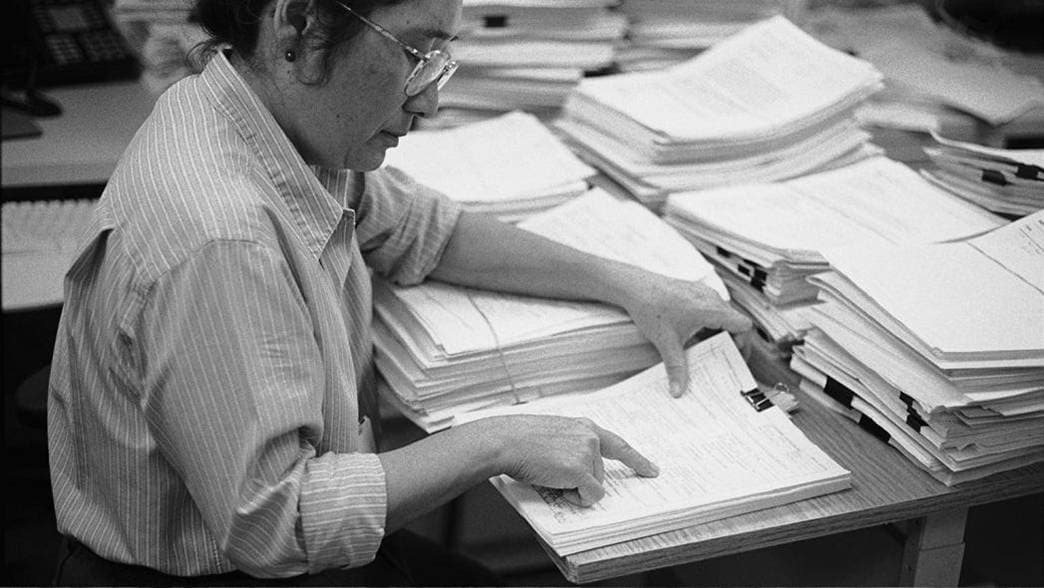
Peer review is a blind spot check by qualified strangers who have no stake in your success. It keeps published research honest by catching flaws the author missed. The trap is treating publication as truth just because it survived review.
Why it exists
Research cannot grade itself. When a single author or team controls the design, execution, and interpretation of a study, there is no external check on whether the methods are sound, the evidence is sufficient, or the conclusions are justified. Peer review exists to fill this gap. It is a form of self-regulation where qualified members of a profession evaluate each other's work to maintain quality standards, improve performance, and provide credibility before findings enter the permanent record.
The mental model
Think of peer review as a code review for knowledge. Just as a senior engineer inspects a pull request for logic errors and edge cases before it merges to main, a peer reviewer inspects a research paper for sound methods and valid conclusions before it is published. Both processes rely on the fact that the creator is too close to the work to catch every flaw.
How it works
An author submits a manuscript to a journal or conference. An editor recruits reviewers who are experts in the topic at hand and who have no connection to the author. These reviewers remain anonymous so they cannot be pressured. They evaluate the work against the field's standards to determine its suitability for publication. The editor then decides to accept, reject, or request revisions. In the most competitive venues, rejection rates exceed ninety percent.
When to use it
Use peer review when you need credibility and quality assurance before findings shape decisions. In academia, it is the standard gate for publication. In UX research, it means asking an uninvolved researcher to audit your discussion guide, synthesis, or report before you present to leadership. It is also a teaching tool to help students improve writing and reasoning.
When not to use it
Do not treat peer-reviewed work as automatically true. Reviewers are human. They evaluate the manuscript they are given, not the raw data behind it. Peer review filters for plausibility and adherence to standards, but it does not eliminate all errors or bias.
One canonical example
A UX researcher submits a usability test concluding that a new checkout flow is superior. Before the product team acts, an uninvolved peer reviewer examines the protocol and severity ratings. The reviewer notices the task omitted a critical step and the participant pool was too narrow. Because the reviewer has no connection to the author and is anonymous, the critique is direct and prevents a flawed study from driving a costly redesign.
Interview question
How does the card suggest we should view a paper that has successfully passed peer review?
- a.As findings endorsed by the author's professional peers who know the study well
- b.As a manuscript whose underlying raw data was thoroughly checked by reviewers
- c.As definitive truth that leadership can act on without additional scrutiny
- d.As work that is probably plausible and meets field standards but may still contain errorsCorrect
Why? this is the answer
The card states peer review filters for plausibility and adherence to standards but does not eliminate all errors or bias, and explicitly warns against treating publication as automatic truth. The most tempting distractor claims raw data was checked, yet the card clearly says reviewers evaluate only the manuscript they are given, not the raw data behind it.
Just read this? Test yourself on what you have been reading.
Read the original → en.wikipedia.org
- #peer review
- #ux research
- #research quality
- #academia
- #bias mitigation
You just looked this up. Could you explain it out loud?
That is the part interviews actually test. Tezvyn takes questions like this one and gives you what the interviewer is really checking, the answer that lands, and the mistake that ends the conversation, in the four minutes before your next meeting.
The iPhone app is on the way
We are building it. Until it lands, nothing here is held back from you: every interview card, your saved cards, streaks and the job board all work in Safari, plus hundreds of free practice quizzes of thirty questions each. Sign in and it all carries over to the app the day it arrives.
Want it as an icon? Tap Share at the bottom of Safari, then Add to Home Screen. It opens full screen and the cards you have read stay available offline.
We are hiring for this. Every open role lists the topics its interview covers, so you can prepare for the real thing rather than guessing.
See open roles