Social Listening: Tracking Unsolicited Customer Feedback
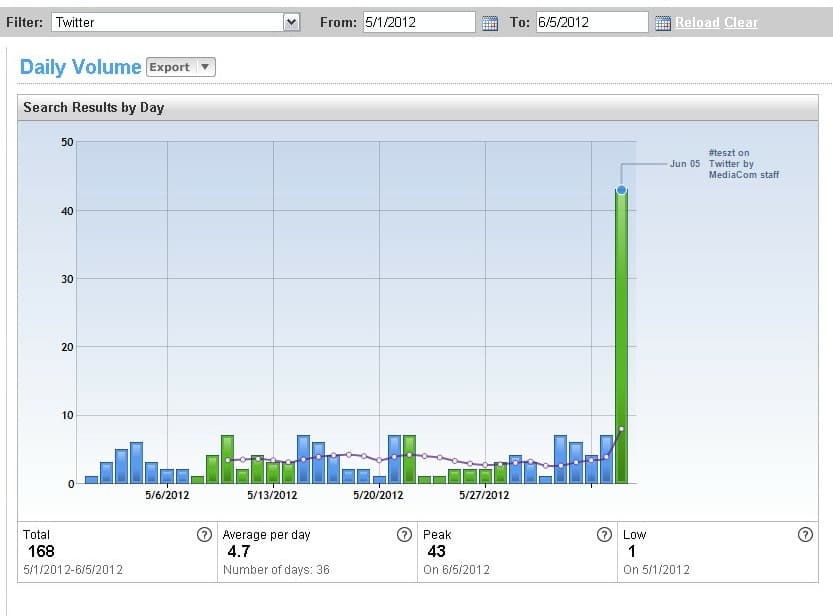
Social listening is like being a fly on the wall, hearing what customers say when you're not asking. Marketers use it to track brand sentiment and find pain points. The footgun is just counting mentions instead of analyzing the 'why' behind them.
Why it exists
Surveys and focus groups show what people say when they know you're listening. Social listening was developed to understand what customers say to each other—their unsolicited, unfiltered opinions. This provides a more authentic view of brand perception, product flaws, and market needs.
The mental model
Think of social listening as proactive market research, not reactive customer support. It's less about responding to individual tweets and more about analyzing the aggregate conversation. It is the art of extracting valuable insights from the vast, unstructured noise of social media to make informed decisions.
How it works
The process has two parts. First, gathering data (monitoring) by tracking keywords, brand names, and hashtags across social networks. Second, analyzing that data (listening) to identify sentiment (positive, negative, neutral), key themes, and emerging trends. This analysis turns raw mentions into strategic insights.
When to use it
Use social listening to gauge public sentiment after a product launch, identify common customer pain points for your product team, discover potential brand advocates, and keep an eye on competitor strategies and customer reactions to them.
When not to use it
Don't use social listening as your sole source for statistically significant market data; the social media population is not a representative sample of the general population. It's also not a replacement for direct customer support channels, though it can help identify widespread issues.
One canonical example
A cosmetics company notices a spike in conversations mentioning their foundation and a specific skincare brand. By analyzing the posts, they discover users are mixing the two products to achieve a popular 'dewy' look. This unsolicited insight could directly inform a new product line or a co-marketing campaign, a discovery impossible through traditional surveys.
Interview question
Which aspect best highlights the unique value of social listening compared to traditional market research methods?
- a.Its ability to provide statistically representative data from a broad demographic.
- b.Its primary function as a real-time customer service response system.
- c.Its capacity to uncover authentic, unsolicited customer opinions and trends.Correct
- d.Its focus on quantifying the total number of brand mentions across social platforms.
Why? this is the answer
Social listening's core advantage is capturing unsolicited, unfiltered customer opinions, offering a more authentic view of brand perception than direct surveys. While it involves monitoring mentions, its true power comes from analyzing the 'why' behind them, not just the count, and it is not a replacement for direct customer support or a source for statistically significant data.
Just read this? Test yourself on what you have been reading.
Read the original → en.wikipedia.org
- #social media
- #marketing
- #analytics
- #content strategy
Put your scrolling time to good use
Learn one idea, try a quiz and save useful cards for revision. Tezvyn makes it easy to learn and stay current in your tech field, a few minutes at a time.
The iPhone app is on the way
We are building it. Until it lands, nothing here is held back from you: every interview card, your saved cards, streaks and the job board all work in Safari, plus hundreds of free practice quizzes of thirty questions each. Sign in and it all carries over to the app the day it arrives.
Want it as an icon? Tap Share at the bottom of Safari, then Add to Home Screen. It opens full screen and the cards you have read stay available offline.
We are hiring for this. Every open role lists the topics its interview covers, so you can prepare for the real thing rather than guessing.
See open roles