Usability Testing: Watch Real Users, Not Just Experts
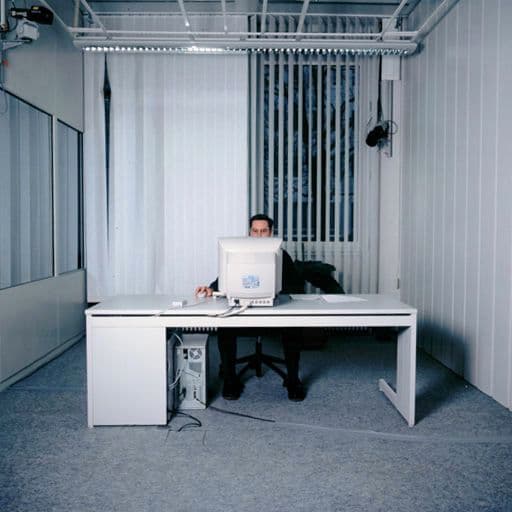
Usability testing evaluates a product by observing real, first-time users interact with it, revealing flaws that designers often miss. It's used to validate design intuitiveness before launch.
Why it exists
A fully functional application that creates confusion will not last long. Usability testing was created to bridge the gap between what a design team thinks is intuitive and how a real user actually experiences the product. It provides direct input to find and fix these points of confusion before they cause a product to fail.
The mental model
Think of usability testing as a dress rehearsal for your product with a live audience. Instead of relying on the script (design documents) or the director's opinion (an expert review), you watch how actual audience members who have never seen the show before react. Their direct, unfiltered behavior reveals what's truly working and what isn't.
How it works
A product is evaluated by testing it on real users, typically individuals with no prior exposure to it. These users are asked to complete tasks while observers watch their actions and listen to their thought processes. The goal is to get direct input on the design's intuitiveness by seeing where users succeed or struggle in a real-world scenario.
When to use it
Use this technique in user-centered design to get direct, irreplaceable feedback on how real people use your system. It is paramount for evaluating the intuitiveness of a design and ensuring a product will be understood by its target audience upon release.
When not to use it
Do not confuse usability testing with usability inspection. Inspection is when experts evaluate a user interface using their knowledge and established methods, but without involving users. While valuable, an expert review does not provide the direct, often surprising, input that comes from observing actual user behavior.
One canonical example
A team building a new e-commerce site asks five first-time users to find and purchase a specific blue shirt. The designers believe the process is obvious. However, they observe that four of the five users get stuck on the category filter page, consistently misinterpreting an icon. This direct observation reveals a critical flaw that an internal expert review might have missed.
Interview question
What unique insight does usability testing primarily offer compared to an expert review?
- a.Direct observation of how first-time users actually interact with the product.Correct
- b.A theoretical evaluation of the interface based on established design principles.
- c.An assessment of the product's technical performance under load.
- d.A detailed report on compliance with accessibility guidelines.
Why? this is the answer
Usability testing's core value is observing real, first-time users to get direct, unfiltered insights into their experience, revealing flaws designers often miss. An expert review, while valuable, is a theoretical evaluation by experts, not direct user observation.
Just read this? Test yourself on what you have been reading.
Read the original → en.wikipedia.org
- #ui design
- #user experience
- #product design
- #testing
You just looked this up. Could you explain it out loud?
That is the part interviews actually test. Tezvyn takes questions like this one and gives you what the interviewer is really checking, the answer that lands, and the mistake that ends the conversation, in the four minutes before your next meeting.
The iPhone app is on the way
We are building it. Until it lands, nothing here is held back from you: every interview card, your saved cards, streaks and the job board all work in Safari, plus hundreds of free practice quizzes of thirty questions each. Sign in and it all carries over to the app the day it arrives.
Want it as an icon? Tap Share at the bottom of Safari, then Add to Home Screen. It opens full screen and the cards you have read stay available offline.
We are hiring for this. Open roles that interview on ui design — each one lists the topics its interview covers.
See open roles