What research validates a three-sprint feature without delaying engineering?
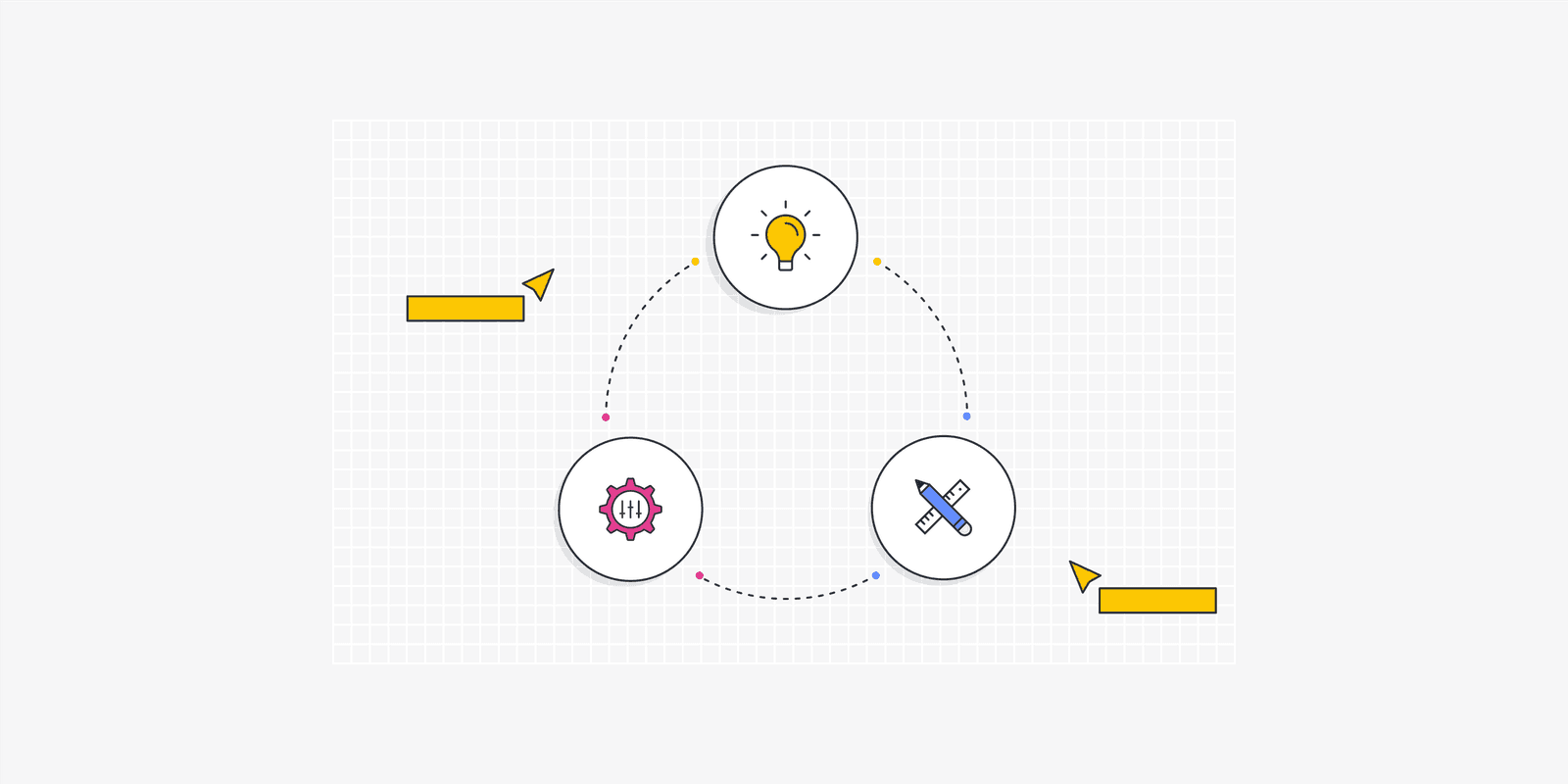
Parallel Lean UX sprints de-risking large builds without blocking engineers.
One week of interviews and prototype tests, with concept testing while engineering spikes.
What's really being asked
The interviewer wants to know if you can balance rigor with speed. They are looking for familiarity with Lean UX principles, specifically how to run research in parallel with engineering rather than in a separate waterfall phase. The core skill is de-risking a large investment by validating problem-solution fit before three sprints of code are written, without adding calendar delay.
The full answer
First, time-box a one-week problem-validation sprint that includes five to eight targeted user interviews and a lightweight fake-door or landing-page test to gauge demand. Second, schedule a solution-concept test in week two using a low-fidelity prototype or storyboard to validate usability and value, running this concurrently with engineering spikes that explore technical feasibility and architecture. Third, define clear kill criteria before the research starts, such as fewer than forty percent of interviewees ranking the problem as a top-three pain point, or prototype task-success rates below sixty percent. Fourth, synthesize findings into a one-page decision memo with go, no-go, or pivot recommendations before sprint planning so the engineering timeline is either confirmed or redirected without wasted capacity.
The mistakes people make
A red flag is proposing a full discovery phase with ethnographic field studies, journey mapping, and extensive surveys that pushes engineering start by two to four weeks. Another mistake is suggesting research only after an MVP is built, which defeats the purpose of de-risking the three-sprint estimate. Candidates also err by omitting kill criteria, making the research feel like a box-checking exercise rather than a decision-making tool.
What usually comes next
The interviewer may ask how you would handle stakeholders who insist on the full feature regardless of negative research findings. They might also probe how you would adapt this approach if user access is limited, or how you would measure confidence levels with a sample size of only five to eight users.
A concrete example
Imagine a B2B SaaS team wants to add an advanced analytics dashboard estimated at three sprints. In week one, you interview six power users and run a fake-door email campaign to the broader user base; the campaign gets a two-percent click-through rate and interviews reveal the problem is real but not urgent. In week two, you test a clickable prototype focused on the top three requested metrics while engineering spikes on data-pipeline latency. The prototype shows users cannot interpret the visualizations without training. You recommend pivoting to a simplified auto-generated report for one sprint, killing the full dashboard and saving an estimated sixty percent of the original engineering capacity.
Interview question
Which plan best validates a three-sprint feature while avoiding any delay to the engineering timeline?
- a.Time-box one week for targeted interviews and a demand test, test a low-fidelity prototype in week two while engineering runs concurrent technical spikes, and decide before sprint planning.Correct
- b.Spend two weeks on interviews and prototype testing, then deliver a research report to engineering only after sprint planning has started.
- c.Run a six-week discovery phase with ethnographic field studies and journey mapping before engineering begins.
- d.Let engineering start the full build immediately while scheduling user interviews and prototype tests to begin after the first sprint is complete.
Why? this is the answer
The correct approach time-boxes research and runs it parallel to engineering spikes so a go or no-go decision is made before sprint planning, preventing wasted capacity. Option B is tempting because it includes interviews and prototypes, but handing off findings after sprint planning has already started commits engineering capacity before the feature is de-risked, adding calendar delay.
Just read this? Test yourself on what you have been reading.
Read the original → uxdesigninstitute.com
- #ux research
- #lean ux
- #product validation
- #agile
- #senior
You just looked this up. Could you explain it out loud?
That is the part interviews actually test. Tezvyn takes questions like this one and gives you what the interviewer is really checking, the answer that lands, and the mistake that ends the conversation, in the four minutes before your next meeting.
The iPhone app is on the way
We are building it. Until it lands, nothing here is held back from you: every interview card, your saved cards, streaks and the job board all work in Safari, plus hundreds of free practice quizzes of thirty questions each. Sign in and it all carries over to the app the day it arrives.
Want it as an icon? Tap Share at the bottom of Safari, then Add to Home Screen. It opens full screen and the cards you have read stay available offline.
We are hiring for this. Open roles that interview on ux research — each one lists the topics its interview covers.
See open roles