Search
Find a bite, explore a topic or look for a role.
Results for “Kubernetes”
Bites 384
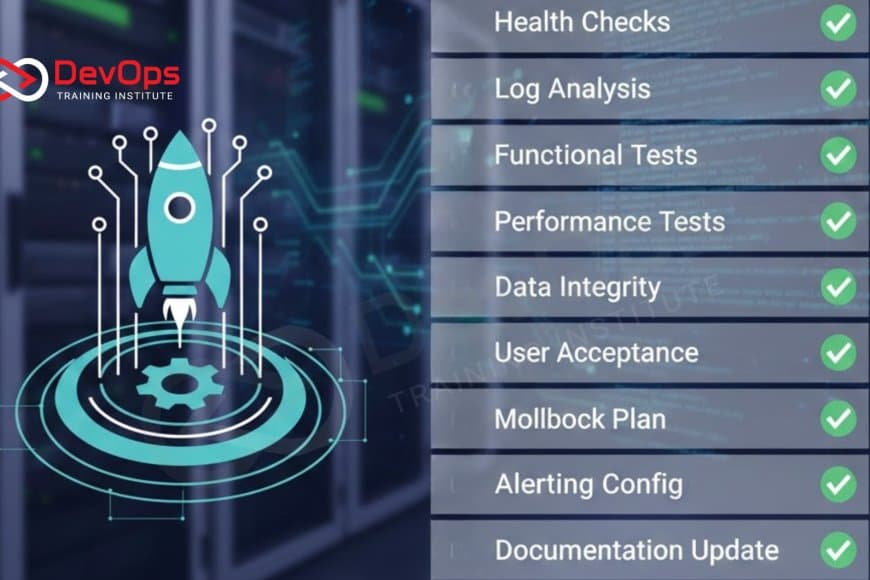
How do you add a basic post-deployment health check in CI/CD?
Tests deployment validation beyond exit-code success. Outline: add a post-deploy stage that probes an HTTP endpoint, checks status code and latency, validates critical dependencies, and triggers rollback on failure.
How do you keep one build artifact immutable across environments?
This tests separation of build and run stages. A strong answer packages one artifact with zero embedded config, then injects env vars or mounted secrets at deploy time via the platform. Red flags include per-stage rebuilds or config baked into the image.
How would you architect deployment capabilities for multiple disparate environments?
This tests platform design for secure multi-environment orchestration. A strong answer proposes a declarative control plane, environment-local agents with short-lived credentials, and templating for consistency.

Design a Docker artifact system for cost, traceability, and speed
Tests cost-speed-auditability tradeoffs for artifacts at scale. Strong answers cover tiered storage with lifecycle policies,immutable build provenance,regional caching, and automated garbage collection. Red flag: infinite mutable storage with no cleanup rules.
How do you manage secrets for hundreds of services in centralized CI/CD?
It tests secret sprawl prevention and least privilege in CI/CD. Answer: use a secrets manager with RBAC, short-lived credentials, runtime injection, and audit logs. Red flag: secrets in Git, plain env vars, or one shared master key.
How do you architect self-service GitOps with central policy enforcement?
What it tests: balancing self-service GitOps with hard guardrails. A strong answer covers namespace-scoped controllers, OPA/Kyverno deny policies, and a centralized policy repo. Red flag: proposing manual ticket reviews instead of automated admission gates.

Describe a robust strategy for GitOps database schema migrations
Tests imperative-to-declarative schema reconciliation. Strong answers version idempotent pre-sync jobs and colocate schema state in Git. They use dedicated operators, not infra tools, for live execution.
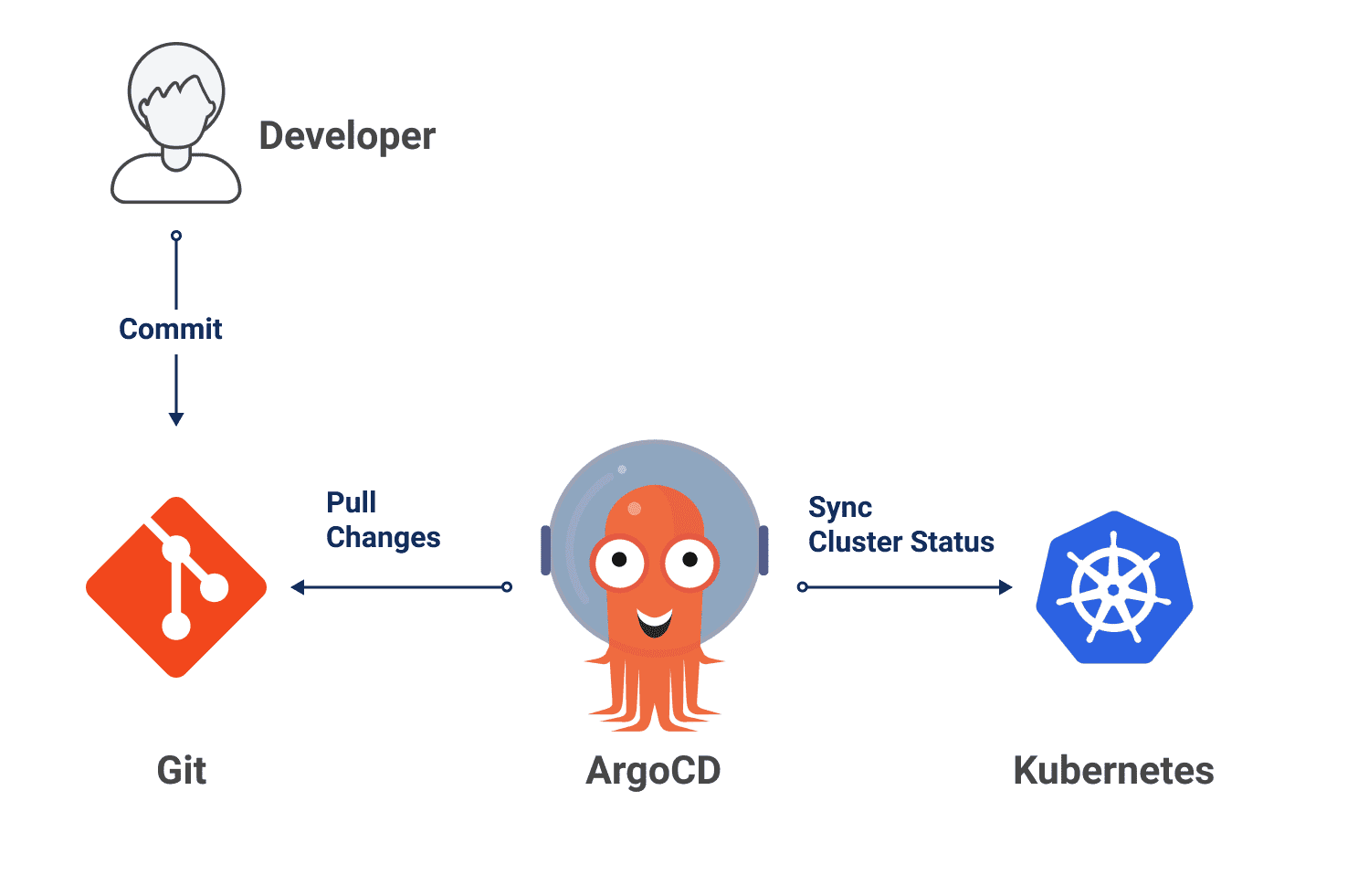
What is configuration drift in GitOps and how do tools handle it?
This tests declared and actual state and GitOps reconciliation. A strong answer defines drift as out-of-band changes, notes auditability, and contrasts self-healing sync with read-only detection. A red flag is suggesting manual patches rather than fixing Git.
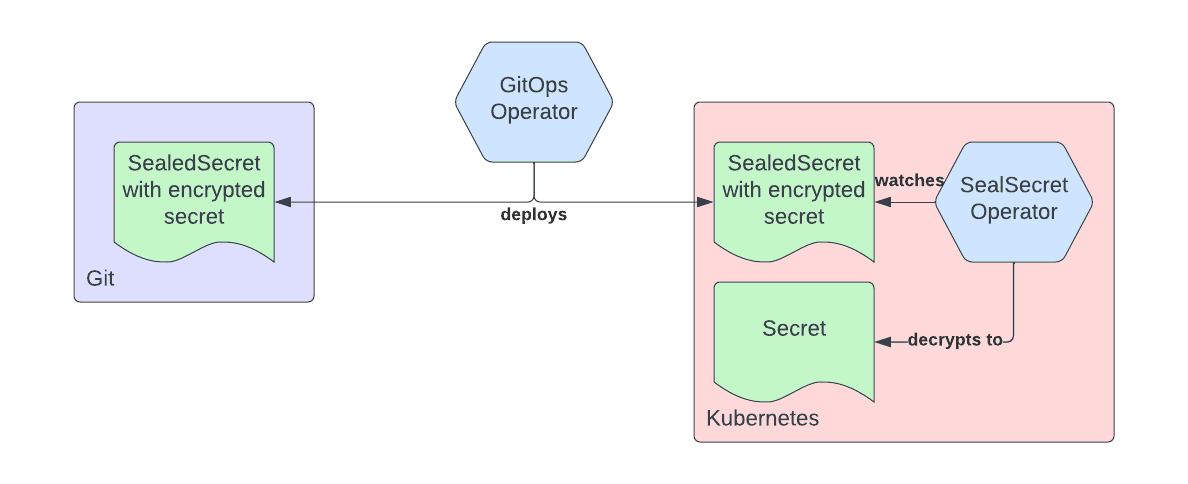
How do you secure secrets in a GitOps repository?
Tests whether you treat Git as source of truth while excluding plaintext credentials. A strong answer covers encrypting at rest with SOPS or Sealed Secrets, external stores like Vault, and operator workflows.
Walk me through deploying a new version using a GitOps workflow
Merge updates manifests; the GitOps controller compares desired state in Git to live state and reconciles.
How would you automate canary deployment and what metrics decide rollback?
This tests progressive delivery maturity. Strong answers cover traffic splitting (10% to 100%), automated 5-10 minute health gates, and rollback triggers like error rate and p99 latency.
What are liveness and readiness probes, and what happens when each fails?
This tests whether you know the distinct kubelet actions for each probe failure. A strong answer: liveness failure restarts the container; readiness failure removes the Pod from Service endpoints and stops traffic.
How do you securely manage and inject Helm secrets in CI/CD?
Tests secret lifecycle trade-offs in GitOps. Strong answers compare SOPS-encrypted values in Git, direct Vault injection for dynamic secrets, and External Secrets Operator to decouple secrets from charts.
Prevent developer access to production secrets while preserving debuggability
Use dynamic short-lived credentials, break-glass with dual-control audit, and structured telemetry or synthetic transactions for debugging.
Compare GitOps and Kustomize vs Ansible for environment configs
Tests declarative vs imperative trade-offs. Contrast GitOps drift detection with Ansible's imperative flexibility. Note Kustomize overlays for K8s vs Ansible's broader reach.
What is Twelve-Factor's config recommendation for CI/CD and scalability?
Tests Factor III and CI/CD scaling implications. Strong answer: config lives in env vars, never in code, so one build promotes across stages and new instances start with correct context immediately. Red flag: config files checked into version control.

Define configuration drift in IaC. How do you detect and remediate it?
This tests state divergence between declared and live infrastructure. A strong answer defines drift as deviation from the IaC source of truth, proposes automated scanning for detection, and recommends reconciliation or redeployment.
How do you manage multi-arch container images under a single tag?
This tests image distribution and registry semantics. A strong answer covers manifest lists pointing to per-arch digests, Buildx as the builder driver, and the registry serving correct layer blobs.

Integrate artifact signing and vulnerability scanning into CI/CD
Build SBOMs, sign with ephemeral keys, scan registries, and enforce policy before deploy.
How do you version Docker images: Git SHA or SemVer?
Your grasp of immutable artifacts and traceability versus human-readable releases. Tag every build with Git SHA for immutability, then apply SemVer aliases only on promoted images. Treating floating tags like latest or v1 as safe production targets.