Intermediate interview questions in Backend Dev, page 2
What is the difference between a path parameter and a query parameter?
Tests REST API design and FastAPI binding. A strong answer states path params identify resources in the URL while query params filter after the question mark, then codes user_id in the route and q: str | None = None in the function.
Adjacency List versus Nested Set for hierarchies
Adjacency list is simple writes but recursive reads; nested set is fast subtree reads but costly writes.
How does FastAPI distinguish required optional and default query parameters
Tests whether you know FastAPI infers query parameter optionality from Python signature defaults. Answer: no default means required, Optional[T] = None means optional, T = value sets a default, with all three in one signature.
3NF versus BCNF and the overlapping-key gap
BCNF requires every determinant be a superkey; 3NF allows exceptions for prime attributes.
What standard and code elements power FastAPI's auto-generated API docs?
Tests whether you know FastAPI uses the OpenAPI standard and extracts metadata from Python type hints, Pydantic models, decorators, and docstrings to build interactive docs. Red flag: claiming you must manually maintain a separate schema file.
Output order of sync, microtask, and macrotask
C runs first synchronously, then B drains from the microtask queue, then A from the macrotask queue.
Running independent requests with Promise.all and race
Start all requests then await Promise.all to get all results or fail fast on first rejection; use Promise.race when only the fastest settled result matters.
Handling async errors in Express middleware
Await inside try/catch and call next(err) on failure, or wrap the handler in an async error adapter; never let a rejected Promise go uncaught.
How do you safely share a Go map across goroutines?
Tests Go memory model. Answer: maps are not concurrency-safe and risk panic or corruption; use sync.RWMutex with map for read-heavy cases or sync.Map for cache-like patterns. Red flag: suggesting runtime.GOMAXPROCS or channel-only access without justification.
Comparing the three async error-handling styles
Callbacks pass err as first arg; Promises route errors to catch; async/await uses try/catch; an unhandled rejection can crash the Node process.
What type replaces String for read-only function parameters in Rust?
Use &str; it borrows without ownership, accepts literals and String via coercion, and avoids clones.
Sum Some values in Vec<Option<i32>>, ignoring None
Tests Rust Option handling and null-safety design. A strong answer uses map, unwrap_or, flatten, or match to skip Nones safely, and explains Option replaces null pointers with explicit enum variants. Red flag: using unwrap in a loop or suggesting null checks.
How MVCC enables non-blocking reads
Writers create new row versions instead of overwriting, readers see a consistent snapshot, so readers never block writers.
Enforce positive price and SKU format using Pydantic Field without custom validators
Use Field(gt=0) for price and Field(pattern=r'^ITEM-\d{5}$') for SKU; mention Annotated.
Two-Phase Locking and serializability
A growing phase only acquires locks, a shrinking phase only releases, no lock taken after one is freed.
Implement a custom validator for a single Pydantic model field
Use @field_validator as a classmethod, raise ValueError on failure, return the value.
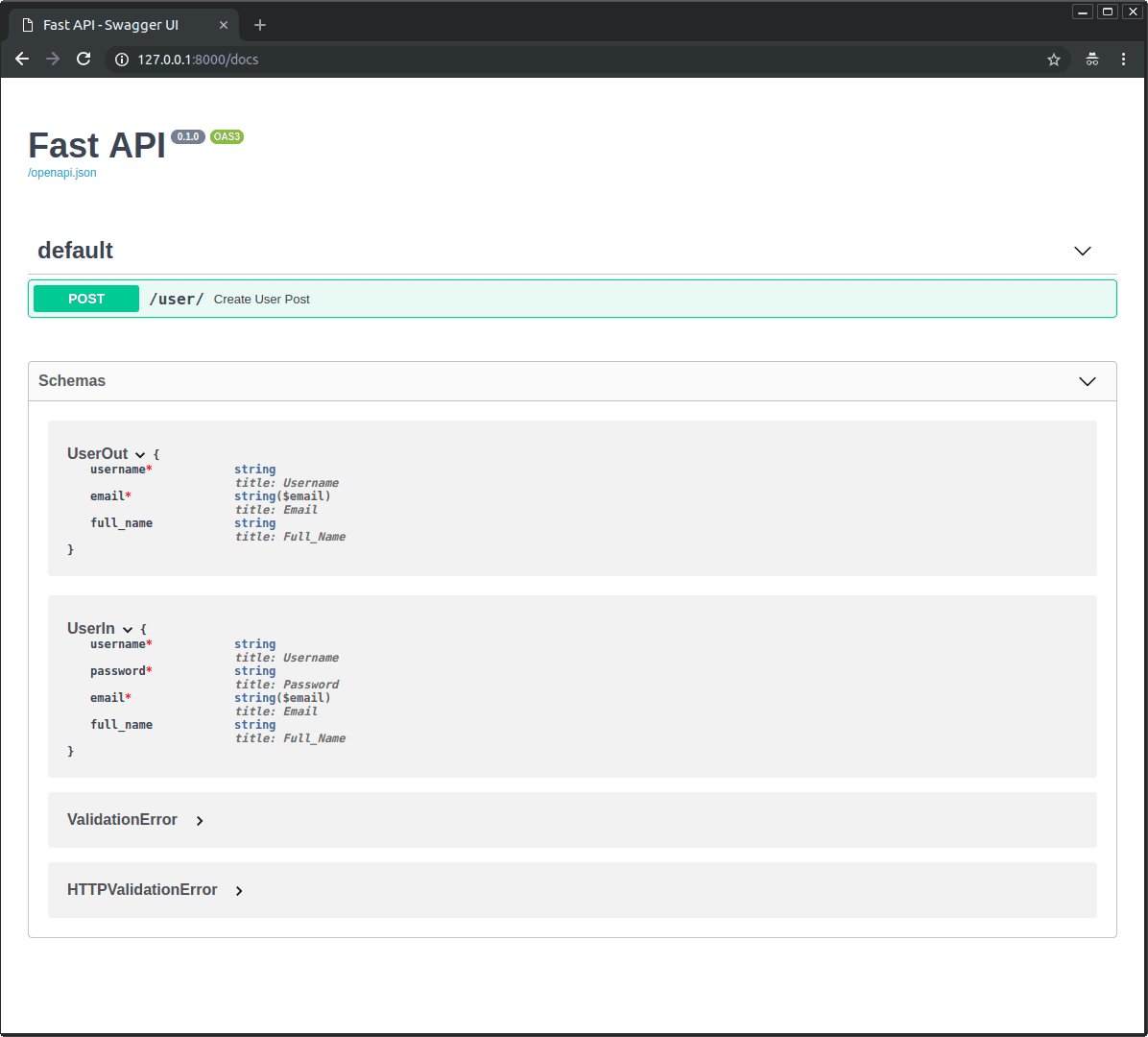
How do you prevent password_hash from appearing in a FastAPI response?
Tests FastAPI response filtering and the security practice of separating DB schemas from API contracts. A strong answer proposes a dedicated output model omitting the field, then cites response_model_exclude. Red flag: manual dict deletion or monkey-patching.
Model an Order with a nested Product list in Pydantic
It tests Pydantic nested model composition. Define Product as BaseModel, then Order with products: list[Product]; Pydantic recursively coerces each dict and raises ValidationError on failure. A red flag is insisting on manual iteration.
Counting lines in a 5GB log file efficiently
ReadFile loads all 5GB into RAM and may exceed buffer limits, instead stream with createReadStream plus readline and count line by line.

Why does Go forbid circular dependencies, and how do you resolve them?
Cycles break incremental compilation; resolve by moving logic down, merging coupled packages, or using dependency injection.
We are hiring for this. Every open role lists the topics its interview covers, so you can prepare for the real thing rather than guessing.
See open roles