Intermediate interview questions in Backend Dev, page 6
What Go tool detects data races and how do you invoke it?
This tests Go's built-in race detector. A strong answer names the -race flag, notes it instruments memory accesses to catch concurrent unsynchronized reads/writes, and shows go test -race. A red flag is confusing it with static analysis or external tools.
How does cargo differentiate unit and integration tests by location?
This tests Rust test layout conventions. Unit tests live inside src files in cfg(test) modules; integration tests go in top-level tests/ files as separate crates. Red flag: saying integration tests need cfg(test) or can use private APIs.
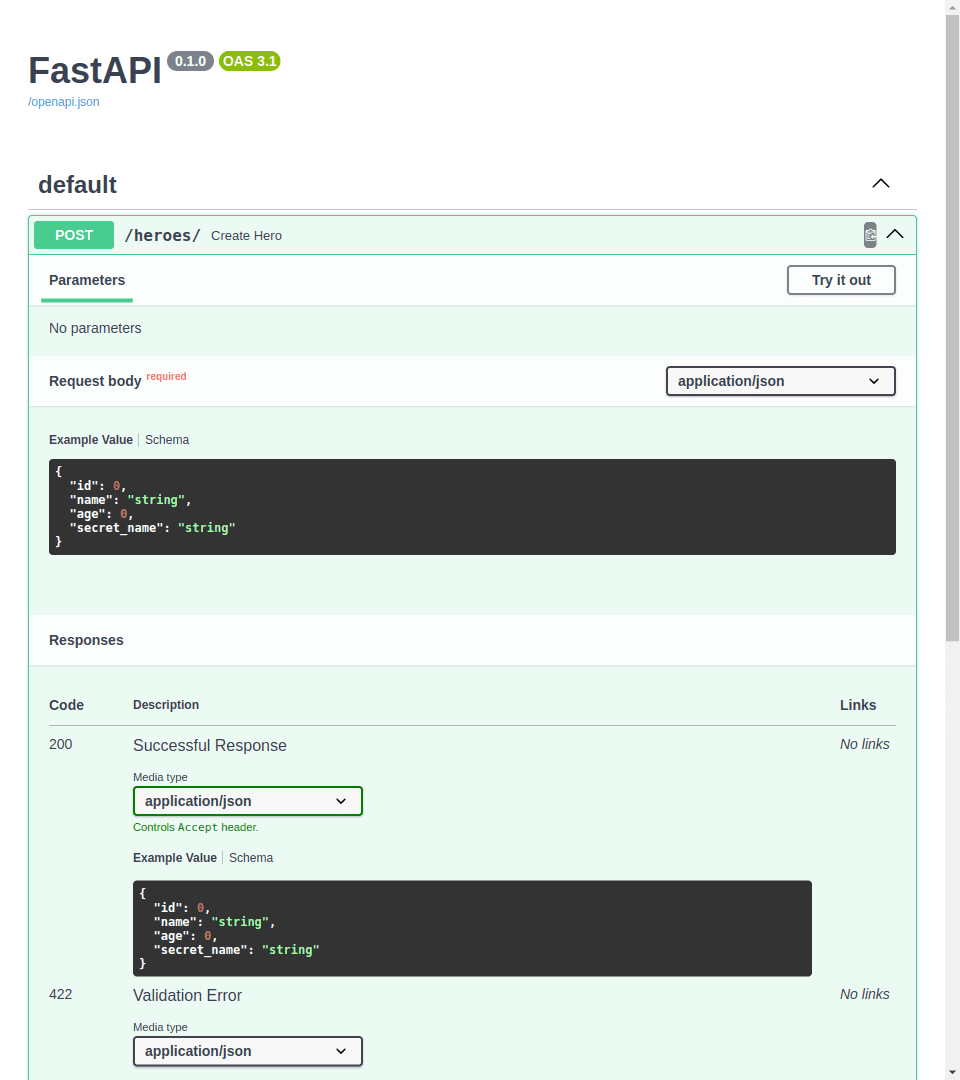
How do you use FastAPI dependency injection for database sessions?
Build a generator dependency that yields a session and closes it after; inject via Depends(get_db).
Difference between go build and go install? Cross-compile for ARM64 Linux?
Tests Go toolchain artifact placement and native cross-compilation. A strong answer distinguishes go build (current directory) from go install ($GOBIN), then sets GOOS=linux GOARCH=arm64 for cross-compilation.
Apply the CAP theorem to a real system
Define C, A, P; note partitions are unavoidable, so the real choice during one is consistency versus availability; then classify a system as CP or AP with reasoning.
Why synchronous DB libraries block async FastAPI endpoints and correct SQLAlchemy usage
This tests event loop blocking: sync DB calls in async def halt all requests. Answer: sync drivers block the loop despite releasing the GIL; use asyncpg with SQLAlchemy create_async_engine and AsyncSession. Red flag: recommending run_in_executor as default.
Explain Cargo features and how to define and enable them
This tests conditional compilation and optional dependency design in Rust. A strong answer outlines the [features] table, cfg attribute gating, and consumer enablement via --features or default features.
Session-based versus token-based authentication
Sessions store server-side state with a cookie id, tokens carry self-contained claims with no server store, weigh revocation versus scalability, especially across services.
Range-based vs hash-based sharding trade-offs?
Range sharding keeps ordered keys together, great for range scans but prone to hot spots on sequential keys; hash sharding spreads keys evenly, avoiding hot spots but killing efficient range…
Implement a PATCH endpoint for partial SQLAlchemy updates
Tests PATCH vs PUT and selective ORM updates. Strong answer: all-optional update schema, load existing record, iterate exclude_unset=True fields with setattr, commit. Red flag: updating without excluding unset, which overwrites missing fields with None.
MongoDB async ODM vs SQLAlchemy sessions
Motor client as a connection pool with no SQLAlchemy-style session or transaction; Beanie document models over Motor; initialize once at startup and await find queries.
Securing Express with Passport local strategy
Configure LocalStrategy with a verify callback, call passport.authenticate as route middleware, and set up serializeUser/deserializeUser for sessions.
Leader-follower vs multi-leader replication
Single-writer leader-follower is simple but a write bottleneck; multi-leader accepts writes in many regions for latency and availability.
What is eventual consistency?
Replicas converge to the same value if writes stop, allowing temporary staleness for higher availability and lower latency.
Compare efficient line-by-line file reading in Go and Rust
Go uses bufio.Scanner with ScanLines/Scan(); Rust uses BufReader with lines() or read_line().
Propagating async errors to Express error handlers
Express does not auto-catch rejected promises, so catch and call next(err), or wrap handlers in an asyncHandler that forwards rejections; Express 5 awaits handlers automatically.
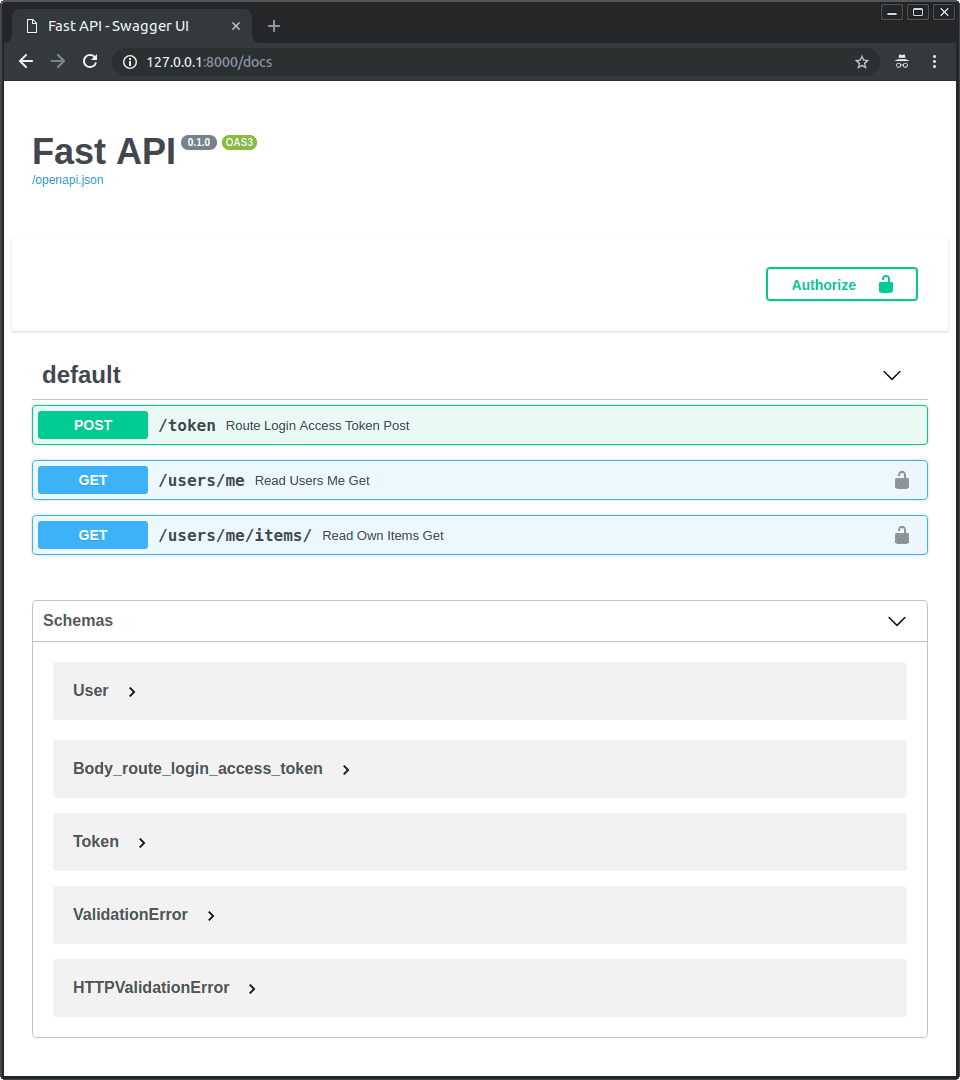
Implement OAuth2 Password Flow in FastAPI
Tests FastAPI security integration and stateless auth patterns. A strong answer covers the POST /token endpoint returning a JWT, the OAuth2PasswordBearer dependency, and get_current_user decoding the JWT sub.
Compare Go's error tuples to Rust's Result for I/O
Tests trade-offs between Go's explicit error returns and Rust's Result type. Contrast Go's inline err checks with Rust's ? operator, noting verbosity versus compile-time exhaustiveness. Never call Result an exception or claim Go ignores errors.
Reusable schema validation middleware with Zod or Joi
Define a schema (email, password min 8, optional firstName), write a factory middleware that validates req.body, returns 400 with messages on failure, and assigns the parsed value on success.
Connection pooling and its key parameters
Reuse open connections to skip costly handshakes; tune max pool size and connection timeout.
We are hiring for this. Every open role lists the topics its interview covers, so you can prepare for the real thing rather than guessing.
See open roles