Everything in Databases & Architecture, page 11
Database Disaster Recovery: Planning for Total Failure
Database Disaster Recovery (DR) assumes your primary site is gone for good, focusing on restoring service at a secondary location. It's for critical systems where regional outages are unacceptable. The footgun is confusing DR with High Availability (HA).
Database High Availability: Surviving Server Failure
High Availability (HA) means having a hot standby database ready to take over instantly upon failure. It's essential for critical systems like payment gateways where downtime is unacceptable.
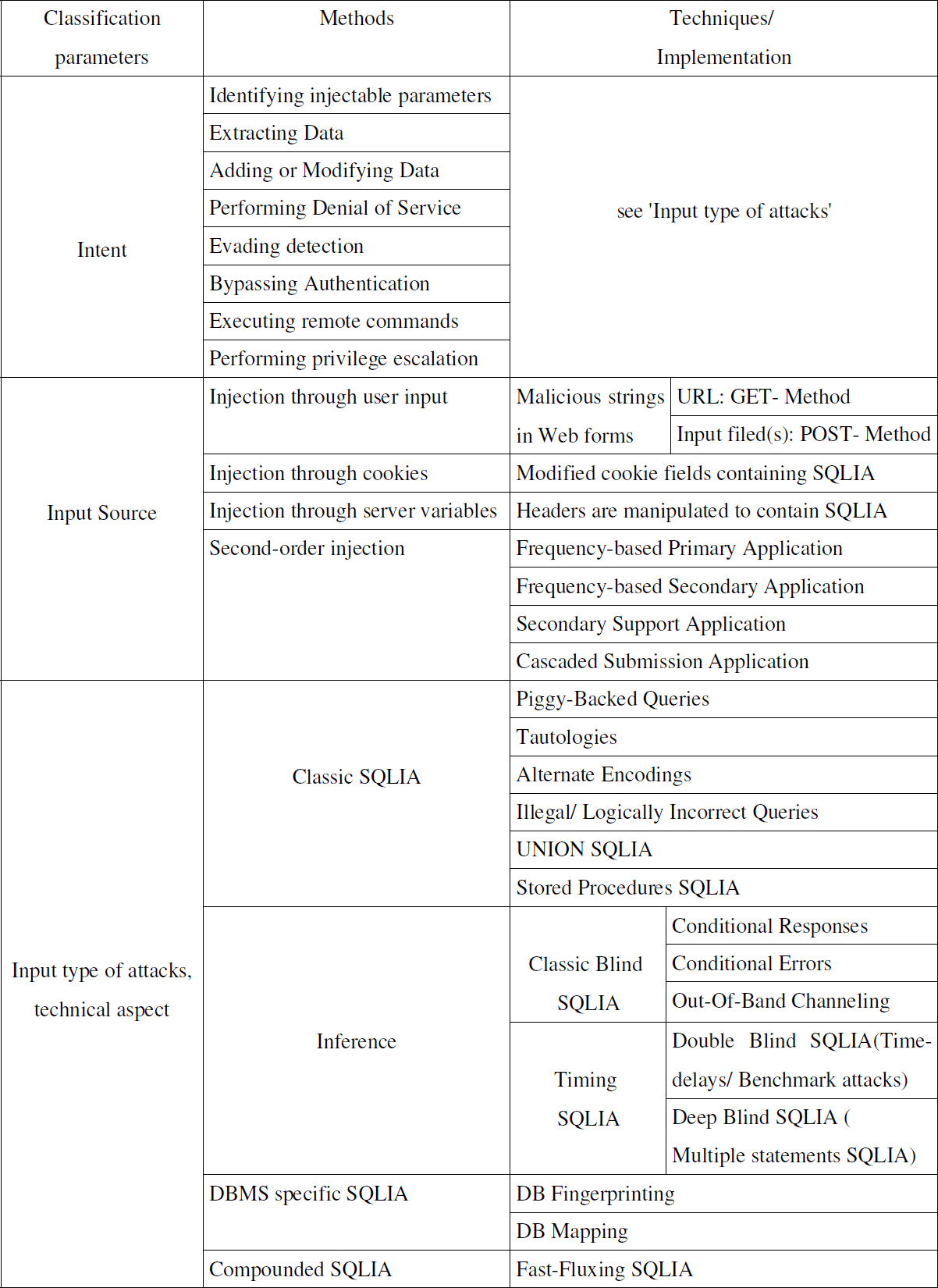
SQL Injection: When User Input Becomes a Command
SQL injection tricks a database into running unintended commands by sneaking them into user input. It's a common attack on websites where user data is directly stitched into SQL queries. The footgun is trusting input; always use prepared statements instead.
Database Encryption: Protecting Data at Rest
Database encryption turns your data into useless gibberish for anyone without the key. It protects sensitive data at rest, like PII or financial records, from direct theft of the database files.
Database Auditing: Your Database's Security Camera
Think of database auditing as a security camera for your data, recording who did what and when. It's essential for security investigations and compliance, but the footgun is treating it as a substitute for access control—it only records a breach, it doesn't…

How Database Indexes Rot and How to Fix Them
Your database indexes rot over time, making queries slower. Frequent writes cause fragmentation (disordered pages) and low page density (half-empty pages), forcing more disk I/O.
Point-in-Time Recovery: Rewind Your Database to a Specific Second
Point-in-Time Recovery (PITR) is a database time machine, restoring data to a specific second, not just the last snapshot. It's crucial for reversing application-level errors.
Connection Pooling: Don't Re-Open, Reuse
A connection pool is a valet service for database access. Instead of creating a new connection for every request, you borrow a ready-made one and return it. This avoids costly setup/teardown in web apps.
Role-Based Access Control (RBAC) in Databases
RBAC bundles permissions into roles, like 'analyst' or 'admin', instead of assigning them to individuals. This simplifies managing who can read or write data in a database. The footgun is creating too many roles, making it as complex as individual permissions.
Differential Backups: Faster Backups, Simpler Restores
A differential backup saves all changes since the last full backup, making daily backups faster. To restore, you only need the full backup and the latest differential file. The footgun: each differential file grows larger until the next full backup is made.
Causal Consistency: A Memory Model for Concurrency
Causal consistency is a rulebook for concurrent systems, defining legal data access patterns. It's used to ensure correctness in distributed shared memory and transactions, preventing data corruption from simultaneous operations.
Split-Brain: When a Cluster Disagrees With Itself
A split-brain is when a cluster partitions and nodes on each side think they're the leader, accepting writes independently. This is a classic failure in high-availability systems.
Paxos: Achieving Consensus in Unreliable Networks
Paxos is like a legislature agreeing on a law with unreliable messengers. It lets servers agree on a value (like a transaction) despite failures. It’s used in distributed databases for consistency, but its complexity is its biggest footgun; never implement it…

Raft: Understandable Distributed Consensus
Raft gets a cluster of servers to agree on a shared state by electing a leader to manage a replicated log. It's used to build fault-tolerant systems that must maintain a consistent state machine. The footgun: assuming 'easier than Paxos' means 'easy'.

Vector Clocks: Tracking Causality in Distributed Systems
A vector clock is an array of counters, one for each node, that tracks causality across a distributed system. It's how databases resolve conflicting writes.
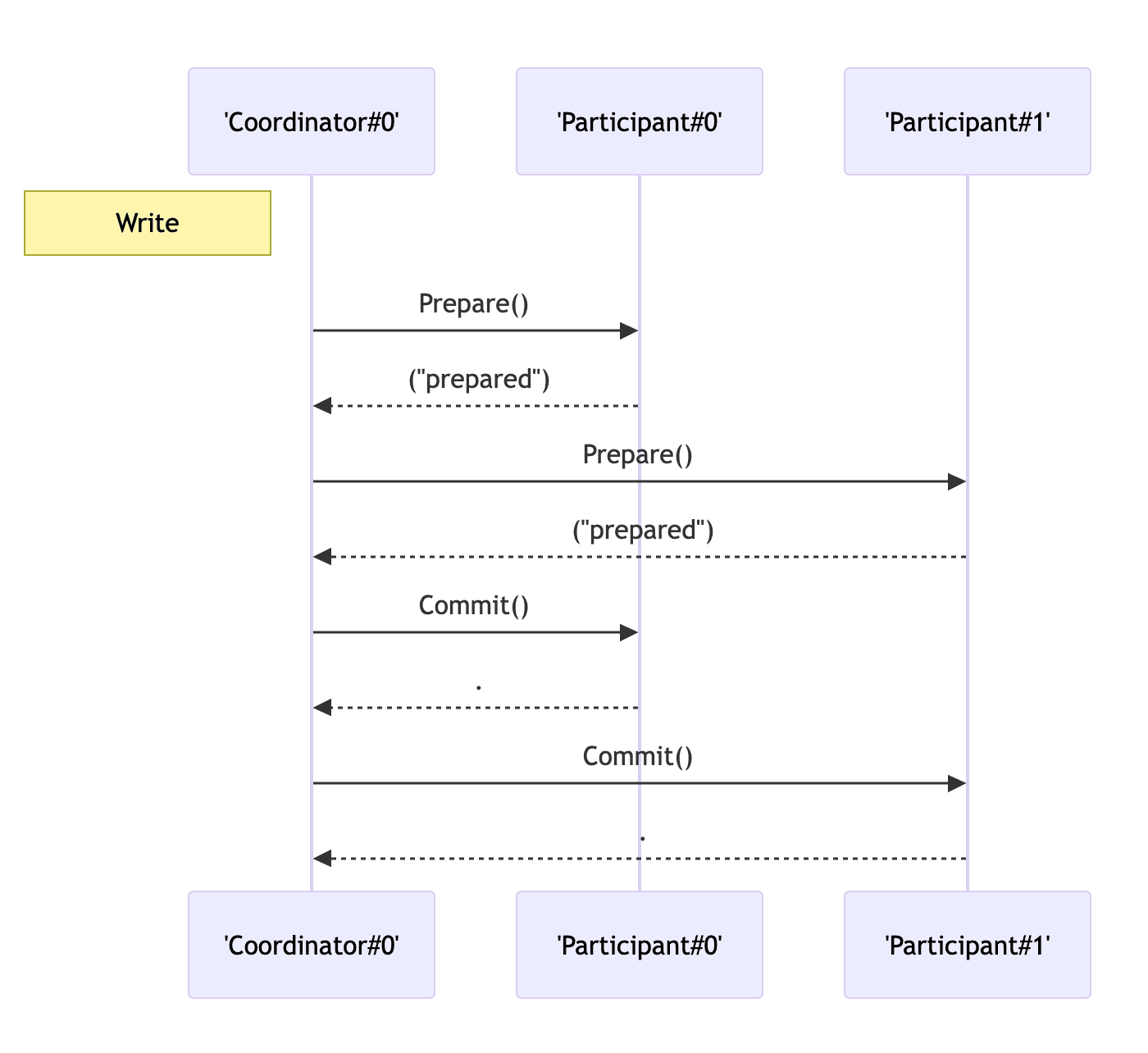
Two-Phase Commit (2PC): All or Nothing, Together
Two-Phase Commit (2PC) ensures a distributed transaction is atomic: all participants either commit or abort together. A coordinator first asks all nodes to prepare (vote), then issues a final commit or abort.
Quorum: How Distributed Systems Agree Without Unanimity
A quorum is a majority vote for distributed systems, letting them operate without waiting for every node. It's used in databases and consensus algorithms to ensure consistent writes. The footgun is setting the quorum too low, risking conflicting decisions.
Consistent Hashing: Resizing Distributed Systems Gracefully
Consistent hashing prevents mass data reshuffling when servers are added or removed. It maps keys to servers on a logical ring, so only a fraction of keys need remapping during a resize. This is crucial for distributed caches to avoid stampedes.
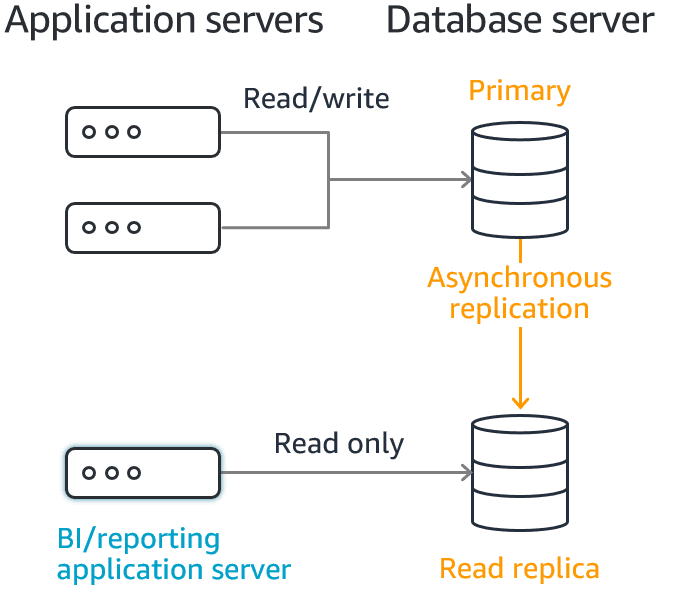
Read Replicas: Scale Out Your Database Reads
A read replica is a read-only copy of your database that handles query traffic. Use it for read-heavy apps to prevent your primary DB from becoming a bottleneck. The footgun: replication is asynchronous, so reads from a replica can return slightly stale data.
MOLAP: A Pre-Computed Cube for Fast Analytics
MOLAP pre-calculates business data into a multi-dimensional "cube" for near-instant analytics. Use it for BI dashboards requiring fast responses to complex queries. The footgun: the cube is a static snapshot, and building it can be slow and rigid.
We are hiring for this. Every open role lists the topics its interview covers, so you can prepare for the real thing rather than guessing.
See open roles