Intermediate concepts in Frontend Dev, page 13
Declarative Route Configuration in Vue
Declarative routing maps URL paths to components like a switchboard. You define a list of routes, and the framework renders the correct view when the URL changes. This is standard for SPAs.
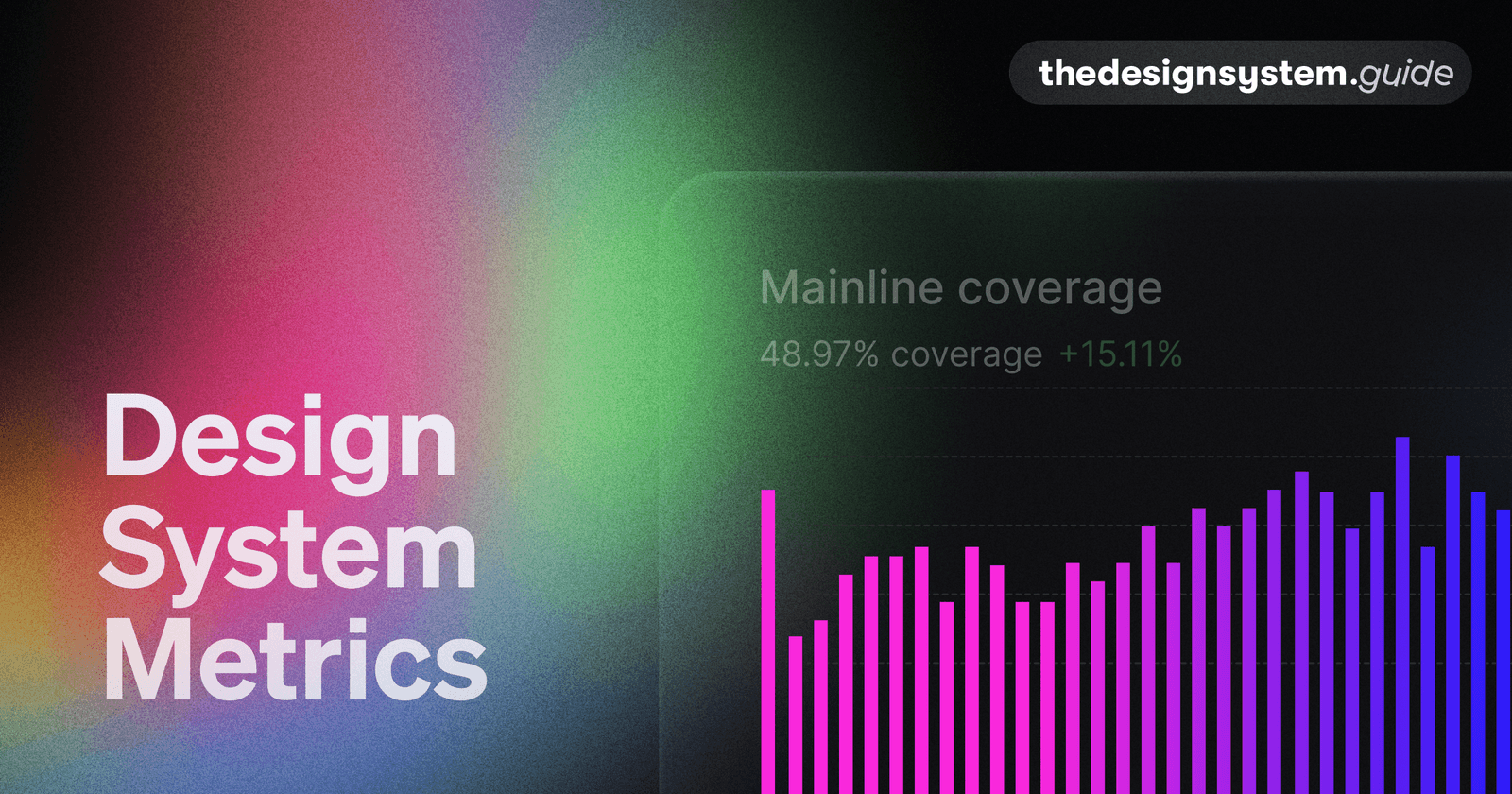
Design System Metrics: Proving Its Worth
Prove your design system's value with data, showing it's a force multiplier, not just a library. Track metrics like component adoption and faster time-to-market to justify budget and guide your roadmap. The footgun: avoid vanity metrics like component count.
ES Modules in TypeScript: The Compile-Time Contract
TypeScript ES modules are a compile-time target, not a runtime guarantee. Configure this when targeting modern browsers or Node with native ESM. The footgun is omitting .js extensions in imports, which it requires in ESM output even for .ts source files.
Lazy Loading Routes: Faster Initial Loads
Lazy loading routes splits your app into smaller chunks, loading code only when a user visits a specific page. This drastically cuts initial load times for large SPAs. Just be sure not to use Vue's async components directly as route components.
useParams: Accessing Dynamic URL Segments
The useParams hook lets client components read dynamic URL segments. On a route like /posts/[slug], it returns an object like { slug: 'my-post' }. Remember, it's for client components only and won't see query strings.
Ambient Module Declarations: Compile-Time Trust Falls
Ambient module declarations are compile-time trust falls: you tell TypeScript the shape of code it cannot see. Use them for untyped npm packages, CSS imports, or CDN scripts.
Svelte Transitions: Declarative UI Animation
Svelte transitions are declarative animations for elements entering or leaving the DOM. Use transition:fade on a modal or crossfade for items moving between lists. The footgun: they only run on mount/unmount, not on general state changes.
useNavigate: Programmatic Navigation in React
The useNavigate hook gives you a function to change routes from your component's logic, like after a form submission. Use it for event-driven navigation, such as sending a user to their dashboard after login.

Atomic CSS: Styling with Single-Purpose Utilities
Atomic CSS builds interfaces with tiny, single-purpose classes directly in your HTML, like using LEGO bricks for styling. It's the core of frameworks like Tailwind CSS, letting you build UIs without writing custom CSS. The footgun is creating unreadable HTML.

Angular Lazy Loading: Ship Less Code Upfront
Think of your app as an encyclopedia. Lazy loading only fetches the volume (feature module) you need, when you need it, instead of loading the whole set upfront. Use it for distinct sections like dashboards.
The useSearchParams Hook for URL Queries
The useSearchParams hook gives your client component read-only access to the URL's query string. Use it to build UIs that react to URL changes, like filtering a list or displaying search results.

Bundle Size: When Runtime Dependencies Defeat Tree Shaking
Tree Shaking is static, but your app is dynamic. It can fail when a component imports a large dependency for an optional, runtime-configured feature. A UI library's provider might pull in an entire form library, even if you don't use it.
Testing NgRx Effects: Isolate and Verify Side Effects
Test NgRx Effects by treating them as pipelines that transform action streams. Provide a source action and mock dependencies to verify the effect dispatches the correct success or failure action.

Component Usage Guidelines: The Manual for Your Design System
Usage guidelines are the instruction manual for your design system, ensuring consistency. They prevent developers from guessing button states and designers from stretching logos.
BEM: Scoped CSS Naming by Convention
BEM is a naming convention that scopes CSS classes like postal addresses, preventing specificity wars in component systems. It shines in large codebases with many developers. The footgun is deep element nesting, which bloats markup into unreadable strings.
SSR Hydration: Bringing Static Pages to Life
Hydration attaches JavaScript interactivity to a static HTML page sent from a server. It's used in Server-Side Rendering (SSR) frameworks to make the initial fast-loading page interactive.

React Router Data Loaders: Fetch Before You Render
React Router loaders fetch data *before* a component renders, eliminating loading spinners inside your UI. Use them to load data for a new route in parallel with its code. The footgun: forgetting that loaders must run in both server and browser environments.
Yup: Schema Builder for Runtime Validation
Yup is a validation pipeline: schemas parse, coerce, and assert untrusted data in one pass. Use it for API payloads or forms while TypeScript infers types automatically.
Voice and Tone in Design Systems
Voice is personality; tone is the mood for the moment. Lock both in your design system so UI text feels like one product. The footgun is documenting voice while letting teams pick their own tone, breaking consistency when users are stressed.

Nuxt Server Routes: Your Backend in a Folder
Nuxt Server Routes let you build a backend inside your frontend project. Create API endpoints by adding files to the server/api directory, which automatically get an /api prefix. The common footgun is forgetting this prefix difference with server/routes.
We are hiring for this. Every open role lists the topics its interview covers, so you can prepare for the real thing rather than guessing.
See open roles