Advanced interview questions in Frontend Dev, page 5
Modeling responsive design tokens
Model a token as a breakpoint-to-value map, transform into a base custom property redefined in media queries, components use one var per viewport.
Build a reactive data-fetching utility with Svelte stores
Tests store composition for async data fetching with caching and auto re-fetch. Strong answer: readable for lifecycle, derived's set callback for race-safe fetches, writable for private inputs. Red flag: exposed internals or missing cleanup.
Integrating design tokens with Tailwind CSS
Feed tokens into Tailwind's theme config (or v4 CSS theme) so utilities derive from one source; a parallel setup causes drift.
How do you balance unit, integration, and end-to-end tests in Next.js?
This tests allocation of test types across Next.js boundaries. Propose 70 percent unit tests for utilities, 20 percent integration tests for data fetching, and 10 percent end-to-end tests for critical flows, weighing cost and confidence.
Write a generic PickByValue<T, V> type
Tests conditional types and mapped-type key remapping. Great answer: K in keyof T as T[K] extends V ? K : never with value T[K]. Red flag: writing V extends T[K] instead, which reverses the assignability check and includes wrong keys.
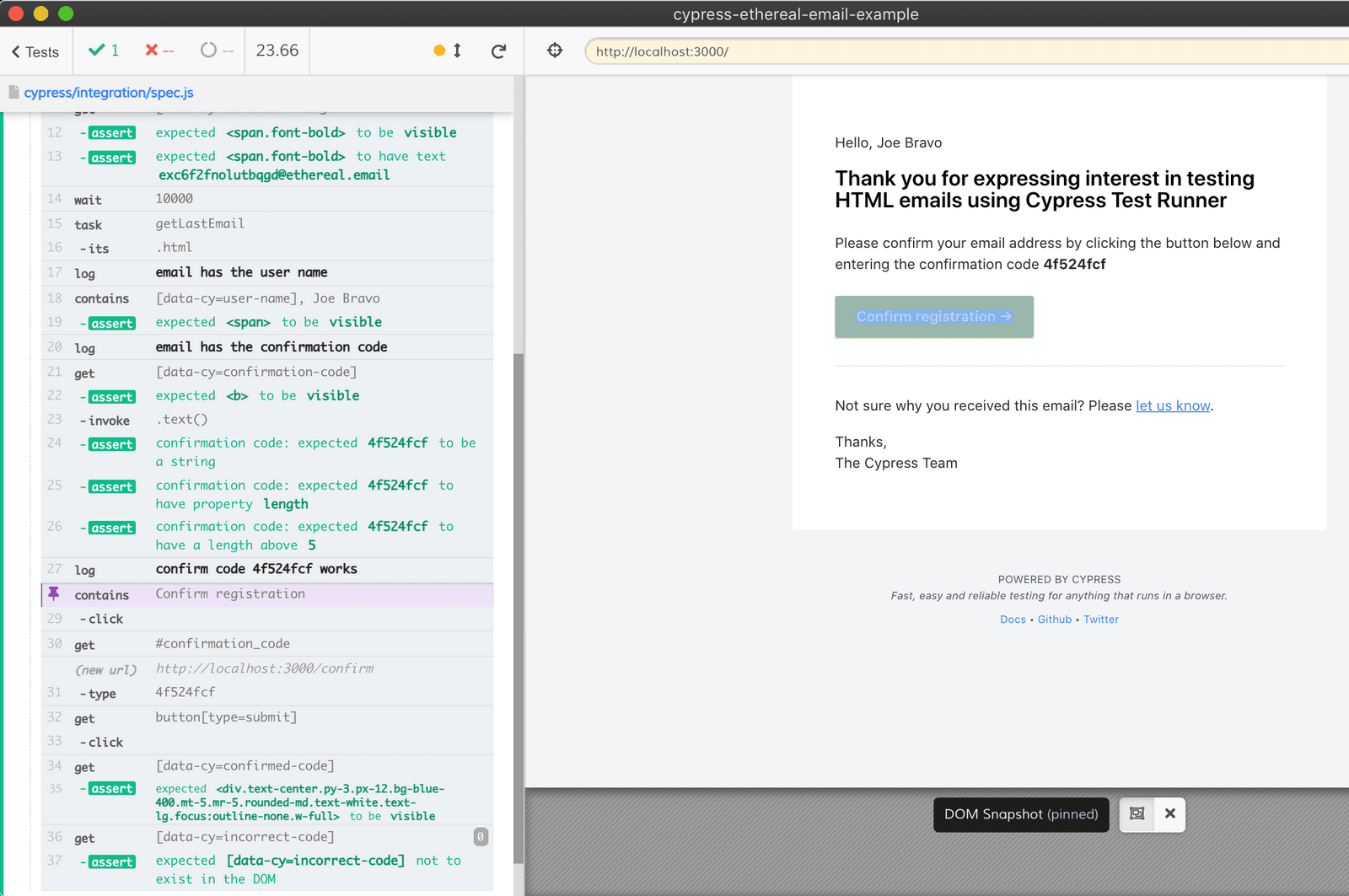
Cypress auth strategies: UI login vs programmatic session
Tests your grasp of Cypress test isolation and speed tradeoffs. A strong answer contrasts slow UI login (ideal for the auth flow itself) against programmatic auth via cy.request or cy.session (fast setup for protected routes).
Implement recursive DeepReadonly<T> for nested objects and arrays
Tests recursive mapped types and conditional type narrowing. A strong answer uses a conditional to split arrays into ReadonlyArray, objects into readonly mapped types, and leaves primitives untouched.

MSW vs mocking fetch or axios directly in Jest tests
MSW intercepts HTTP via Service Workers and Node, staying client-agnostic; direct fetch or axios mocks couple tests to specific libraries.
Write a generic CreateSetters<T> that maps properties to setter methods
This tests TypeScript mapped types with key remapping and template literals. It iterates keyof T, remaps via as set plus Capitalize of string and K, and types values as setter methods. Red flag: manually typing setters or omitting string and K in Capitalize.
What is the purpose of an Angular Resolve guard vs ngOnInit?
Tests routing lifecycle timing and UX state management. Strong answers: Resolve blocks activation until data returns; ngOnInit renders first then fetches, causing flicker.
The polymorphic 'as' prop pattern
Render the element from an as prop, infer props from the chosen element, and forward refs.
Contrast SvelteKit file-system routing with Vue/Angular router configs
Contrast SvelteKit directory routes with Vue/Angular config routers; filesystem routing removes boilerplate but couples URLs to folders and limits dynamic registration.
Shadow DOM encapsulation vs CSS Modules
Shadow DOM creates a separate tree blocking selectors both ways, CSS Modules only rename classes, and global styles need explicit bridges.
How do you manage router scroll behavior and history position restoration?
Use scrollBehavior to return savedPosition on popstate and top: 0 on new navigations; handle hash anchors and async delays.
How do nested layouts work in the App Router?
Tests nested layout composition and state persistence in the App Router. Good answers explain root wraps dashboard wraps page, dashboard state survives child navigation, and only the page segment rerenders.

How do you add a new index to an existing IndexedDB store?
Tests production schema migration discipline. Bump the integer version in open(), handle onupgradeneeded before onsuccess, use event.oldVersion for incremental changes, and guard against duplicate index creation.
What are Parallel and Intercepting Routes? Describe a photo gallery modal scenario.
This tests App Router layout composition and URL-state. A strong answer defines @modal slots and intercepting (.) routes, explaining modal overlays that preserve page context. Red flag is proposing global state or portals over file-system conventions.
How do you query IndexedDB products by price range?
Tests IndexedDB indexing and range query APIs. You need a price index created in onupgradeneeded, then IDBKeyRange.bound(50, 100) with index.getAll or openCursor. Red flag: fetching all records and filtering in JavaScript.
Server Component fetch vs. client-side SWR or React Query
Tests App Router cache boundaries and hydration costs. Strong answers weigh server TTFB and bundle savings against client interactivity, mutations, and background refetching. Red flag: defaulting to client fetching everywhere and ignoring waterfalls.
Why access IndexedDB exclusively from a Web Worker?
Tests whether you know IndexedDB in workers keeps the main thread free from serialization and transaction overhead, while recognizing that postMessage copying and request-response coordination add real architectural complexity.
We are hiring for this. Every open role lists the topics its interview covers, so you can prepare for the real thing rather than guessing.
See open roles