Advanced concepts in Mobile Dev, page 4
NavigationPath (SwiftUI)
NavigationPath is a type erased stack of navigation destinations that backs a SwiftUI NavigationStack, letting one path hold a mix of different hashable data types so you can push, pop and control deep, heterogeneous navigation flows programmatically.
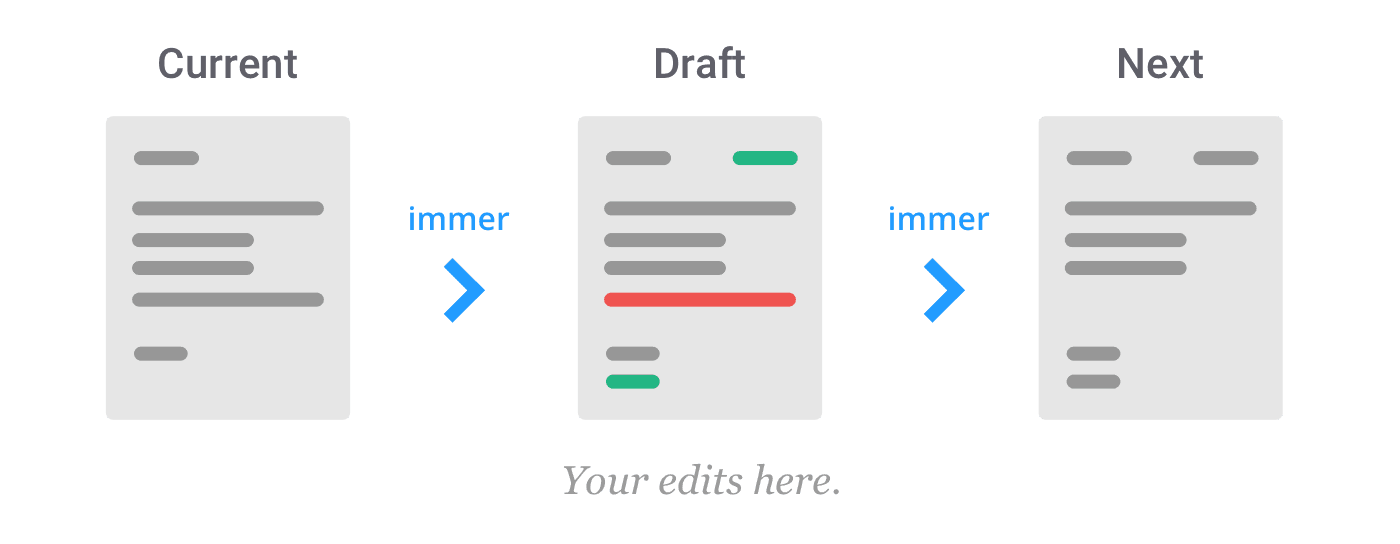
Immer: Write Mutable Code for Immutable State
Immer lets you write simple, mutable-style code to produce an immutable next state. It's essential in Redux or with React's useState to avoid complex spread operators for deep updates. The footgun: mutations are only safe inside Immer's produce function.
Custom UIViewController Transitions: Beyond the Defaults
A custom transition lets you choreograph the handoff between two screens, defining the exact animation. Use it for unique experiences like a card expanding to fill the screen.
Compose Side-Effects: Escaping the Pure Function
Compose functions should be pure, but apps must interact with the world. Side-effect APIs are controlled escape hatches to run non-UI code, like network calls or showing Toasts, from within a composable's lifecycle. The footgun is calling this logic directly.
CompositionLocal: Implicitly Pass Data Down the UI Tree
CompositionLocal is like CSS inheritance for your UI tree, letting you pass data down implicitly without parameter drilling. It's ideal for ambient data like theming or localization. The footgun is overusing it, which makes components harder to test.
Compose UI Testing: Find Nodes, Assert State, Perform Actions
Compose UI tests treat your UI as a node tree. You find nodes by properties (like text or a test tag), assert their state (e.g., 'is displayed'), and perform actions like clicks. Use it to verify composables react correctly to state changes or user input.
Flutter's Gesture Arena: Who Wins the Touch Event?
The Gesture Arena is a contest where multiple gesture detectors compete for one touch event. This happens when a tappable button is inside a scrollable list. The biggest footgun is a gesture not firing because an unexpected detector won the competition.
Build Custom Inputs with Flutter's FormField Widget
FormField is a state wrapper, not a UI widget, that turns any widget into a validatable form input. Use it for custom inputs like sliders or star ratings that must integrate with a Form. The footgun is forgetting to supply the UI via its builder.
GraphQL Mutations: Writing Data to Your Graph
Think of a GraphQL mutation as a remote function call for writing data. Unlike REST, you declare what data you want back from the server in the same operation. Use it for creating, updating, or deleting data, like submitting a form or liking a post.
RawKeyboardListener: Deprecated Hardware Key Events in Flutter
This is a deprecated Flutter widget for capturing raw hardware keyboard events, bypassing text input systems. It was for games or custom shortcuts, but the biggest mistake is using it now. Use KeyboardListener instead.

WebSockets: A Persistent, Two-Way Connection
Think of a WebSocket as a dedicated phone line to a server, keeping the connection open for two-way conversation. It's ideal for real-time features like live chat or streaming stock tickers.
NSPersistentContainer: Your Core Data Stack in One Object
NSPersistentContainer is a pre-built engine for Core Data, managing the model, coordinator, and context. It's the standard for iOS 10+ apps. The footgun is forgetting you can customize it or using its main viewContext for heavy background work, which blocks…
Core Data Migrations: Evolving Your App's Schema Safely
Core Data migrations are your app's plan for evolving its local data model without losing user data. Use them when shipping a new version that adds or renames attributes. The footgun is assuming 'lightweight' migration works for everything; it doesn't.
Android's Domain Layer: Your Business Logic's Home
The Domain Layer is an optional buffer between your UI and data layers, housing reusable business logic. Use it for complex logic or simple rules shared by multiple screens, keeping your ViewModels lean. The footgun is overusing it for every simple data fetch.
NSFetchedResultsController: The Bridge for Core Data & UI
NSFetchedResultsController is a bridge that automatically syncs a Core Data database with a UITableView. It efficiently manages data fetching, memory, and UI updates for dynamic lists, like a social feed.
Deep Linking with Android's Navigation Component
Deep linking with the Navigation Component treats app screens like URL-addressable pages. It's for handling push notifications or web links that go to specific content.
Navigation Safe Args: Type-Safe Navigation in Android
Navigation Safe Args generates code to prevent runtime crashes when passing data between Android screens. It replaces error-prone Bundle manipulation with type-safe classes. Use it to pass user IDs or item details. The footgun: don't pass large objects.
PageRouteBuilder: Custom Routes Without the Boilerplate
PageRouteBuilder creates a custom page route on the fly, skipping the boilerplate of a full subclass. Just provide a pageBuilder for the screen's content and a transitionsBuilder for a unique animation.
PopScope: Guarding Your Flutter Routes
PopScope acts as a gatekeeper for back navigation in Flutter, letting you intercept and block attempts to leave a screen. Use it to show a confirmation dialog for unsaved changes. Its behavior differs on iOS; the swipe-back gesture won't trigger its callback.
Why Xcode Schemes Aren't in React Native 'Get Started' Docs
React Native's 'Get Started' docs favor frameworks like Expo, which handle build environments for you. Xcode Schemes and Configurations are powerful tools you use when managing the native iOS project yourself, a layer deeper than the basics.
We are hiring for this. Every open role lists the topics its interview covers, so you can prepare for the real thing rather than guessing.
See open roles