Intermediate concepts in Node.js & Express
The Node.js Event Loop: Concurrency on a Single Thread
The Node.js event loop lets a single thread handle high concurrency by offloading I/O. It's ideal for web servers and APIs, but the footgun is that any long-running synchronous code will block the entire application, freezing all other requests.
Event Loop vs Crypto Module
Node's crypto module offers both synchronous and asynchronous versions of CPU heavy operations like password hashing; the sync versions block the single threaded event loop, while async versions offload the work to a background thread pool.
JavaScript's Event Loop: Macrotasks & Microtasks
The JavaScript event loop processes tasks like setTimeout callbacks or user clicks from a macrotask queue. A single, long-running macrotask blocks all rendering and user input, freezing the UI. The footgun is assuming setTimeout(fn, 0) runs instantly.
process.nextTick(): Cutting in Line on the Event Loop
process.nextTick() schedules a callback to run immediately after the current operation, before the event loop continues to timers or I/O. It's used for API consistency or error handling. The footgun is that overusing it can starve the event loop, blocking I/O.
Node.js Streams: Processing Data in Chunks, Not Blobs
Think of streams as a data conveyor belt, processing large files or network data in chunks instead of loading it all into memory. Use them for file I/O or network requests.
Node.js Child Processes: Escaping the Main Thread
A child process lets your Node.js app run external commands without blocking the event loop. Use it for CPU-intensive tasks like image processing or running system utilities. The footgun: using synchronous versions (execSync) will block your entire server.
ES Modules in Node.js: The Modern `import` System
ES Modules bring the browser's import/export syntax to Node.js, replacing the classic require(). Use ESM for modern projects to get features like top-level await. The main footgun is that you can't use require(), __dirname, or __filename.

npx: Execute Packages Without Installing Them
npx runs Node.js tools without installing them globally, fetching the latest version on demand. Use it for one-off scaffolding like create-react-app or CI build scripts. The footgun: it may silently run a stale cached copy if you omit a version tag.
Environment Variables: Config Outside Your Code
Think of a .env file as a Post-it note of secrets for your app, kept separate from your codebase. Use it for API keys or database URLs that change between environments. The biggest mistake is committing your .env file to Git, exposing all your secrets.
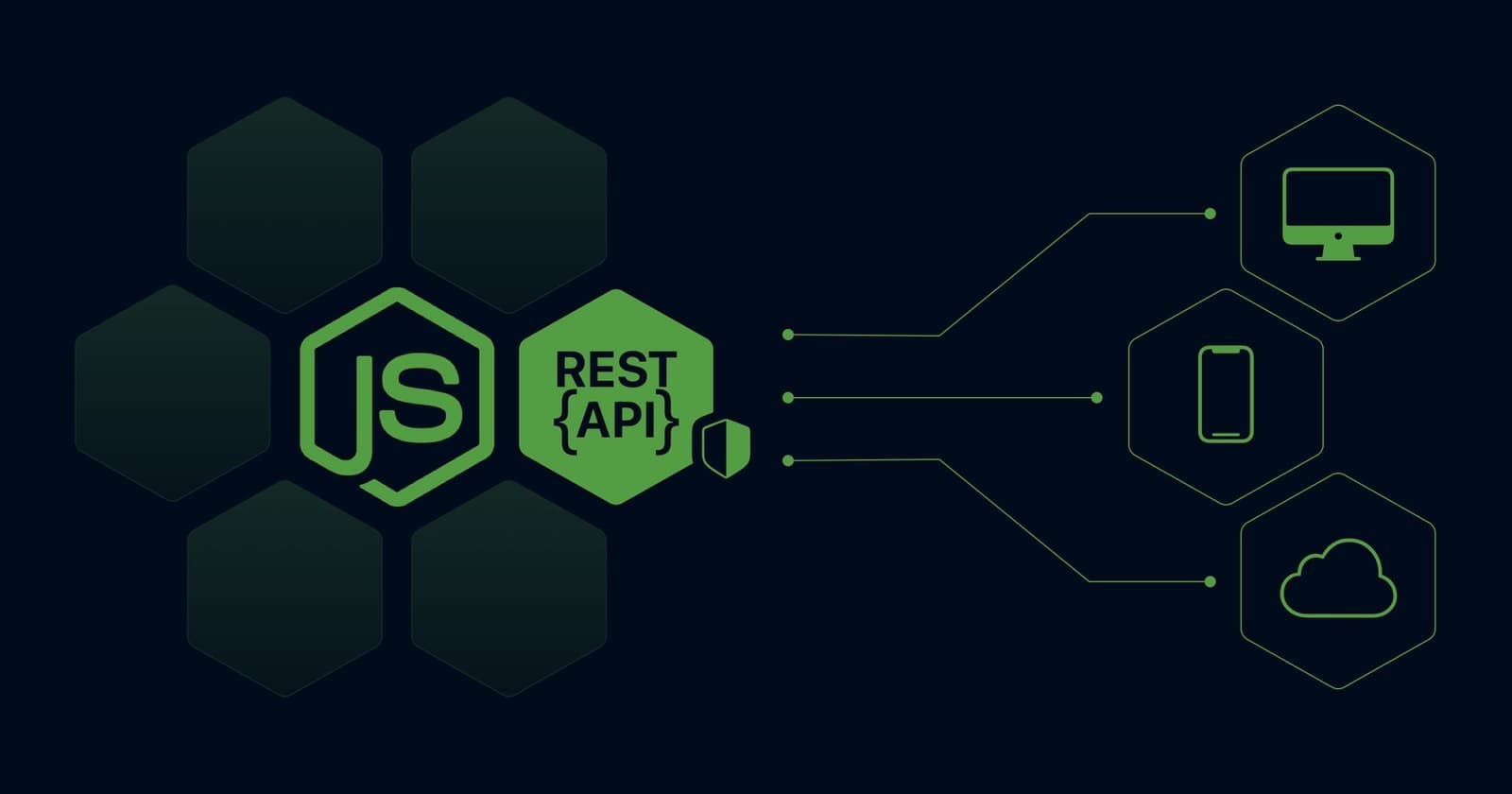
Structuring Express Apps with Layered Architecture
Think of your Express app as a three-story building: a web layer for HTTP traffic, a service layer for business logic, and a data layer for your database. This keeps code organized and testable.

Promise.then(): Each Call Returns a New Promise
Each .then() call returns a new promise, letting you chain async tasks sequentially. This is key for multi-step operations like API calls. The footgun is attaching multiple .then()s to the original promise, which executes them in parallel, not in sequence.
Promise .catch(): Handling Rejections
.catch() is the try...catch for promises, intercepting errors (rejections) in a chain. Use it at the end of a promise chain to handle failures from preceding steps, like a failed API call. The footgun: placing it mid-chain can swallow errors.
Node.js util.promisify: From Callbacks to Promises
util.promisify converts callback-based functions into Promise-based ones, letting you use async/await with older Node.js APIs. It's a bridge for legacy code following the standard (err, value) callback pattern. The footgun: it fails on non-standard signatures.
Async/Await: Write Non-Blocking Code That Reads Synchronously
async/await lets you write non-blocking code that reads like simple, synchronous logic. It's used for network requests or database queries without freezing your app. The biggest footgun is using await inside a function you forgot to declare as async.
Promise.all(): Wait for Multiple Promises at Once
Promise.all() runs multiple promises in parallel, resolving only when all have succeeded. It's for when you need data from several API endpoints to render a single component.
path.join() vs. path.resolve(): Concatenation vs. Calculation
path.join() glues path segments together, while path.resolve() calculates an absolute path. Think string building vs. cd commands. Use join for relative paths and resolve for absolute ones.
WHATWG URL API: Safely Parse URLs, Not Strings
Treat URLs as structured objects, not messy strings. The WHATWG URL API parses a URL into components like protocol and path, just like JSON.parse. Use it for incoming requests or outgoing API calls. The footgun is using the legacy url.parse().

Express Middleware: The Chain of Command for Requests
Express middleware is a chain of functions a request passes through. Each function can inspect, modify, or stop the request, useful for logging, auth, or body parsing.

express.Router: Group Routes into Modular Files
express.Router is a mini-app for your routes. It lets you group related endpoints (e.g., all /users/... routes) into their own file, keeping your main app.js clean. The footgun is forgetting to mount the router in the main app with app.use().

Scaffold an Express App with `express-generator`
The express-generator CLI is a blueprint for new Express apps, instantly creating a standard folder structure and boilerplate files. Use it to skip tedious setup of routes and views.
We are hiring for this. Every open role lists the topics its interview covers, so you can prepare for the real thing rather than guessing.
See open roles