Advanced concepts in Python & FastAPI
Python Async Context Managers
Async context managers let you await during setup and teardown. Use async with for database connections or streams where acquiring and releasing both need I/O. The footgun is applying @contextmanager to async cleanup, which cannot await and will crash.
Accessing Python Type Annotations Safely
Accessing an object's type hints isn't just obj.__annotations__. Use inspect.get_annotations() in Python 3.10+ for safe access. This is key for tools like FastAPI that introspect your code.
Python Concurrency vs. Parallelism
Concurrency is juggling tasks; parallelism is doing them at once. In Python, use concurrency (threading/asyncio) for I/O-bound work like API calls, and parallelism (multiprocessing) for CPU-bound tasks.
The Python GIL: One Thread at a Time
The Python Global Interpreter Lock (GIL) is a mutex ensuring only one thread executes Python bytecode at a time. This serializes CPU-bound threads, but the lock is released during I/O, making it effective for network-bound tasks.
FastAPI: Use HTTPException to Return Client Errors
FastAPI's HTTPException is your tool for stopping an operation and sending a clean HTTP error. Raise it when business logic fails, like a missing database record. The footgun is catching it yourself; just raise it and let FastAPI do the rest.

Async Path Operations in FastAPI
FastAPI path operations can be async, letting the server switch to other requests during I/O waits. Declare dependencies and sub-dependencies async when they await external calls.
Starlette's Request Object: A Clean API for ASGI
Starlette's Request object is a high-level wrapper around the raw ASGI scope, providing a clean API for request data. Use it in endpoints to read headers, query params, or parse the body. The footgun: the request body can only be read once.
Pydantic Computed Fields: Serialize Derived Values
A Pydantic computed field makes a derived value, like an area from width and length, part of your model's serialized output. Use it to include calculated attributes when calling .model_dump().
FastAPI `yield` Dependencies for Setup and Teardown
A yield dependency is a context manager for your endpoints. Code before yield runs setup, like getting a DB connection; code after yield runs teardown.
FastAPI: Setting Custom Response Headers
Set custom HTTP headers in FastAPI by adding a Response parameter to your endpoint. This lets you add metadata like trace IDs without changing your return data. The footgun is thinking you must return the Response object; just return your data as usual.
FastAPI's Security Utility: Dependencies for Auth
FastAPI's Security utility is a specialized Depends for authentication. It signals to OpenAPI that a dependency is required for security, enabling interactive docs. Use it to protect endpoints by injecting the authenticated user.
Overriding FastAPI Dependencies for Testing
Overriding dependencies lets you swap real components for fakes during tests. This is vital for isolating tests from external services like auth providers or databases, letting you control inputs and avoid slow, flaky network calls.
Accessing the Raw Request Object in FastAPI
Think of it as dropping to a lower level. Instead of FastAPI handing you validated data, you grab the raw Starlette HTTP request yourself. Use this for data not covered by standard declarations, like a client's IP.
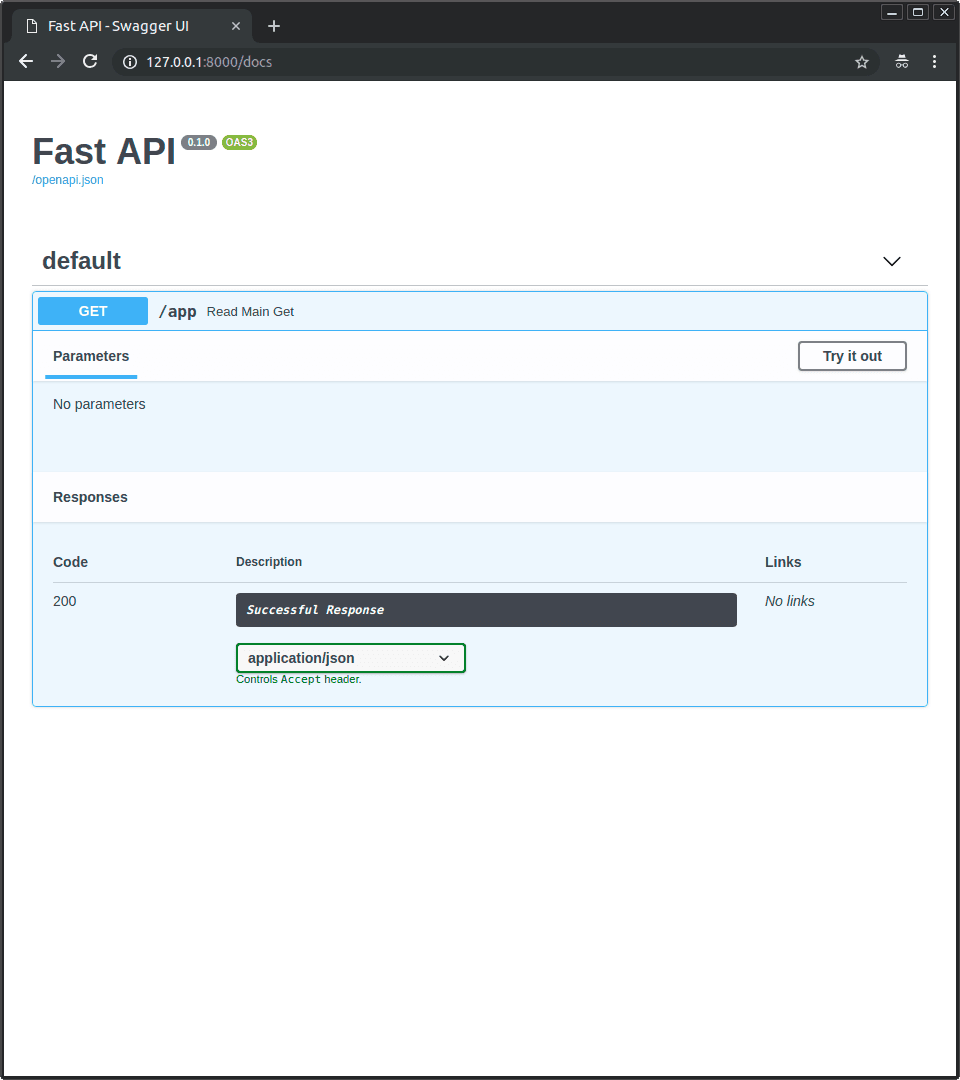
FastAPI: Mounting Independent Sub-Applications
Mounting delegates a URL prefix to a separate FastAPI app, giving it its own isolated logic and API docs. Use it to combine microservices or isolate domains. The footgun: the main app's dependencies and middleware do not apply to the sub-app.

Async Generators: `yield` in an `async` World
Async generators let you write I/O-bound data streams with the elegance of yield. An async def function with yield produces values one at a time, pausing for I/O without blocking. This is ideal for streaming data from a database.
asyncio: Transports Move Bytes, Protocols Decide Which Bytes
asyncio Transports are the "how" (moving bytes), while Protocols are the "what" (deciding which bytes to send). They're the low-level foundation for libraries handling raw socket I/O.

asyncio Event Loop Policies: A Deprecated Pattern
Think of an event loop policy as the global factory for asyncio's event loops, controlling which loop is created and how it's retrieved. It was used to swap implementations, but the entire API is deprecated in Python 3.14 and will be removed in 3.16.
Debugging Python's Asyncio
Debugging asyncio is about finding what's blocking the single-threaded event loop. Use its debug mode to detect slow callbacks and run_in_executor to offload CPU-bound work. The biggest mistake is calling blocking code directly, which stalls the entire app.
SQLAlchemy: Control When Your Relationships Load
SQLAlchemy's default lazy loading is convenient but can cause an N+1 query storm. Use eager loading (joinedload, selectinload) for collections you'll access to prevent many database round trips.
OpenID Connect (OIDC): Authentication as a Service
OIDC lets you delegate user login to a trusted third party, like "Sign in with Google." Your app gets a verifiable token saying who the user is, without handling their password. It's used for SSO in web apps.
We are hiring for this. Every open role lists the topics its interview covers, so you can prepare for the real thing rather than guessing.
See open roles