Easy everything in Python & FastAPI, page 4
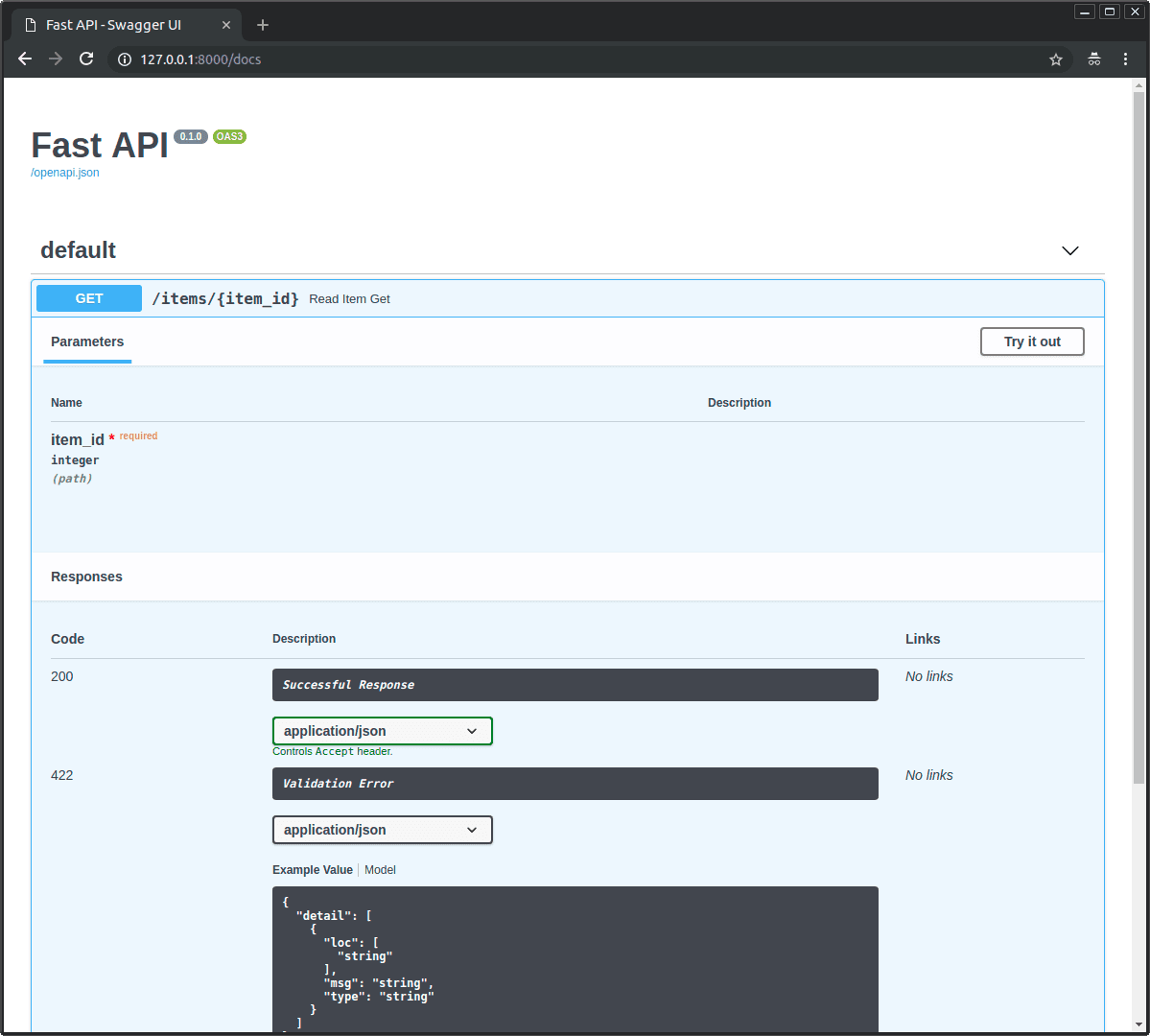
Path Parameters: Turning URL Parts into Variables
Path parameters turn parts of a URL, like /users/123, into typed function arguments. FastAPI uses this to create endpoints for specific resources, like fetching a user by their ID. The footgun is forgetting type hints; without int, 123 is just a string.
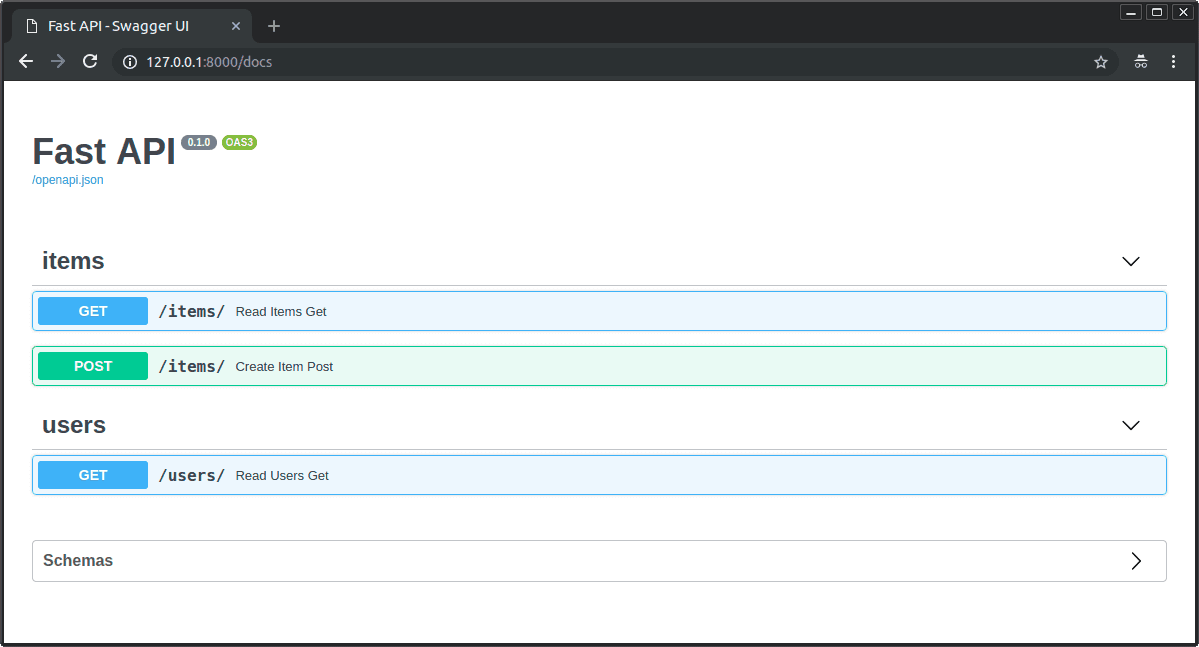
FastAPI: Configure Endpoints with Decorators
FastAPI's path operation decorators configure an endpoint's metadata and behavior. Use them to set status codes (status_code=201), group endpoints with tags, or mark them as deprecated.
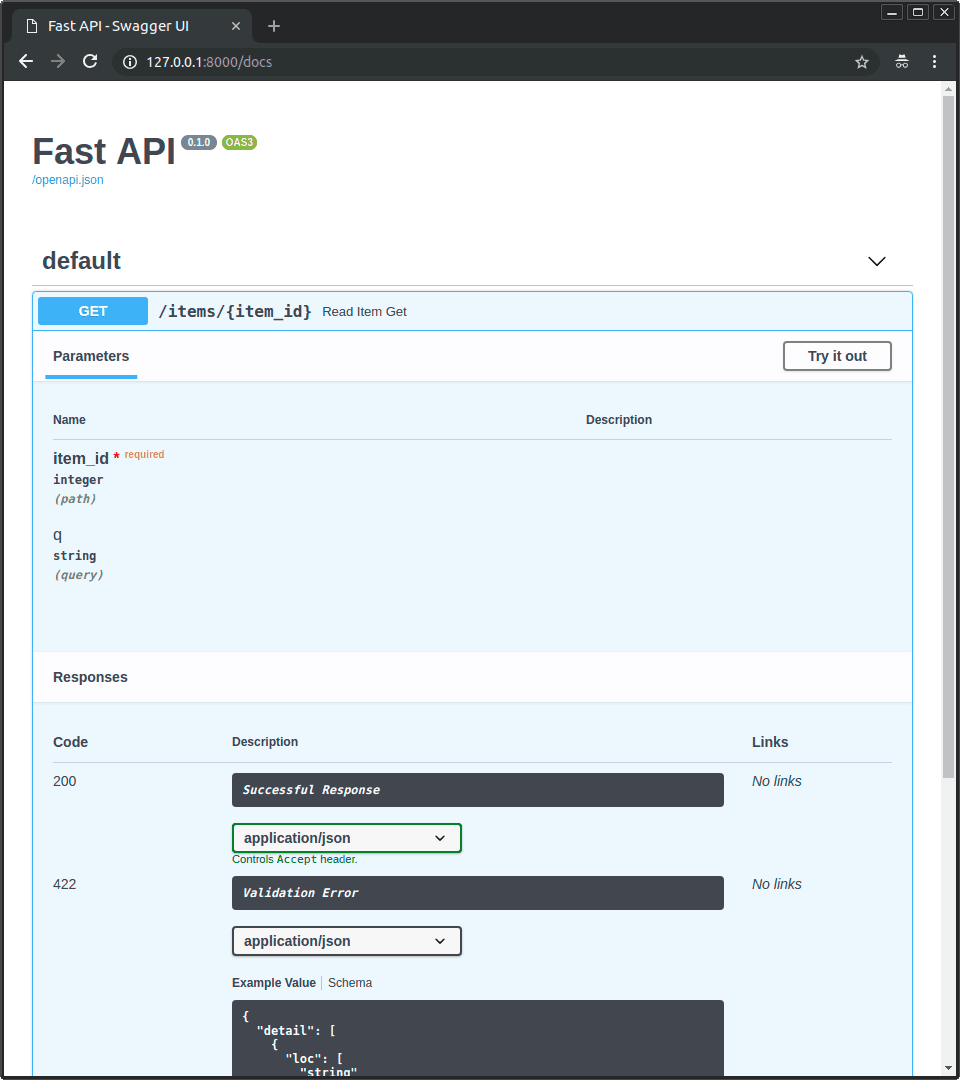
FastAPI Application Instance: Your API's Central Hub
The FastAPI instance is your API's central switchboard, connecting incoming requests to your code. You create it once (e.g., app = FastAPI()) and use its decorators like @app.get to define all your endpoints. The footgun is creating multiple instances.
Python Enums: Give Names to Magic Numbers
Python's Enum gives meaningful names to "magic numbers" or strings. Use it for fixed sets of options like statuses or categories to make code self-documenting. The footgun: don't compare members to raw values; compare member to member for type safety.
Python Packages: Grouping Modules with __init__.py
A Python package is a folder of modules treated as one unit. The __init__.py file marks the folder as a package and can run setup code. Use it to organize large codebases.
Python Data Classes: Write Less Boilerplate
Python's @dataclass decorator writes boilerplate code like __init__ and __repr__ for you, turning a class with type hints into a data container. Use it for API payloads or simple records.

Python Type Hints: Documentation Your Linter Can Read
Type hints describe expected values, but Python itself does not enforce them while running. Static checkers and IDEs use the annotations before execution; libraries such as FastAPI can also inspect them for validation and API documentation.

Top 10 FastAPI interview questions for senior roles
FastAPI interview questions rarely test syntax. They probe whether you understand its three pillars: ASGI powered async concurrency, Pydantic validation at the request boundary, and the Depends dependency injection graph that wires services together.
We are hiring for this. Every open role lists the topics its interview covers, so you can prepare for the real thing rather than guessing.
See open roles