Intermediate everything in Python & FastAPI, page 4
How does FastAPI leverage Pydantic for request validation and serialization?
This tests your understanding of FastAPI's declarative validation. Explain that type hints trigger auto-parsing, Pydantic enforces schemas and errors, and return types auto-serialize responses. Red flag: manually parsing request.body() or json.loads in routes.
Docker Compose for Local FastAPI Stacks
Docker Compose turns your laptop into a one-command datacenter. Define Postgres, Redis, and your FastAPI app in one YAML file and they boot as a networked stack.
Custom Field Serialization with @field_serializer
@field_serializer is an exit-only adapter for one field: it reshapes data leaving the Pydantic model without changing internals. Use it to format decimals, mask secrets, or tweak datetimes for FastAPI JSON. Never use it for validation; it only runs on output.
Per-Field Validation with @field_validator
@field_validator scrubs a single Pydantic field before it enters the model. Use it for rules like 'password must contain a digit' or 'port must exceed 1024'. It only sees one field at a time, so cross-field checks belong in a model validator instead.
Serialize Pydantic Models with model_dump
model_dump turns a Pydantic model into a plain Python dict, bridging typed objects and JSON serializers in FastAPI endpoints. Call it when you need raw data before returning a response. Do not confuse it with model_dump_json, which emits a string, not a dict.
Testing FastAPI Lifespan Events
FastAPI lifespan events only run when TestClient is used as a context manager. Use this to test startup logic like DB pools before endpoints. Using TestClient(app) without with skips lifespan, leaving your app uninitialized and tests silently wrong.
ARQ for FastAPI: Async Background Tasks
ARQ lets your FastAPI app offload heavy work to background workers, keeping the API responsive. It's a task queue built for asyncio. Use it for slow tasks like sending emails or processing data. The footgun is using blocking task libraries with async code.

asyncio Streams: High-Level Async Network I/O
asyncio Streams are like async file handles for the network. You get a reader/writer pair to await data, simplifying TCP clients and servers for basic protocols. The footgun: the default buffer limit is small; reading large data will fail unexpectedly.
Layered Architecture: Separating API from Business Logic
A layered architecture separates your API into distinct jobs: routing, controlling, and serving. This keeps code maintainable, like an organized toolbox. It's crucial for growing FastAPI apps.
FastAPI's StreamingResponse: Send Data in Chunks
StreamingResponse sends data piece by piece, like a live broadcast, instead of sending a complete file all at once. This keeps your server's memory low for huge responses like file downloads, video streams, or live data from AI models.

Pydantic: Reusable Validation with Annotated Types
Pydantic's Annotated attaches validation logic directly to a type, making it reusable. Define a custom type like SquareNumber once and apply it to any model field, ensuring consistent validation without repeating code.
FastAPI: Validating Models with Pydantic's Field
Pydantic's Field adds guardrails directly to your data model's attributes. Use it to enforce constraints like string length (max_length=50) or numeric ranges (gt=0), making your models self-validating.
From Dev Server to Production: Running FastAPI with Workers
Your dev server is a single process. For production, you need a process manager to run multiple Uvicorn worker processes, handling concurrent requests and providing fault tolerance.
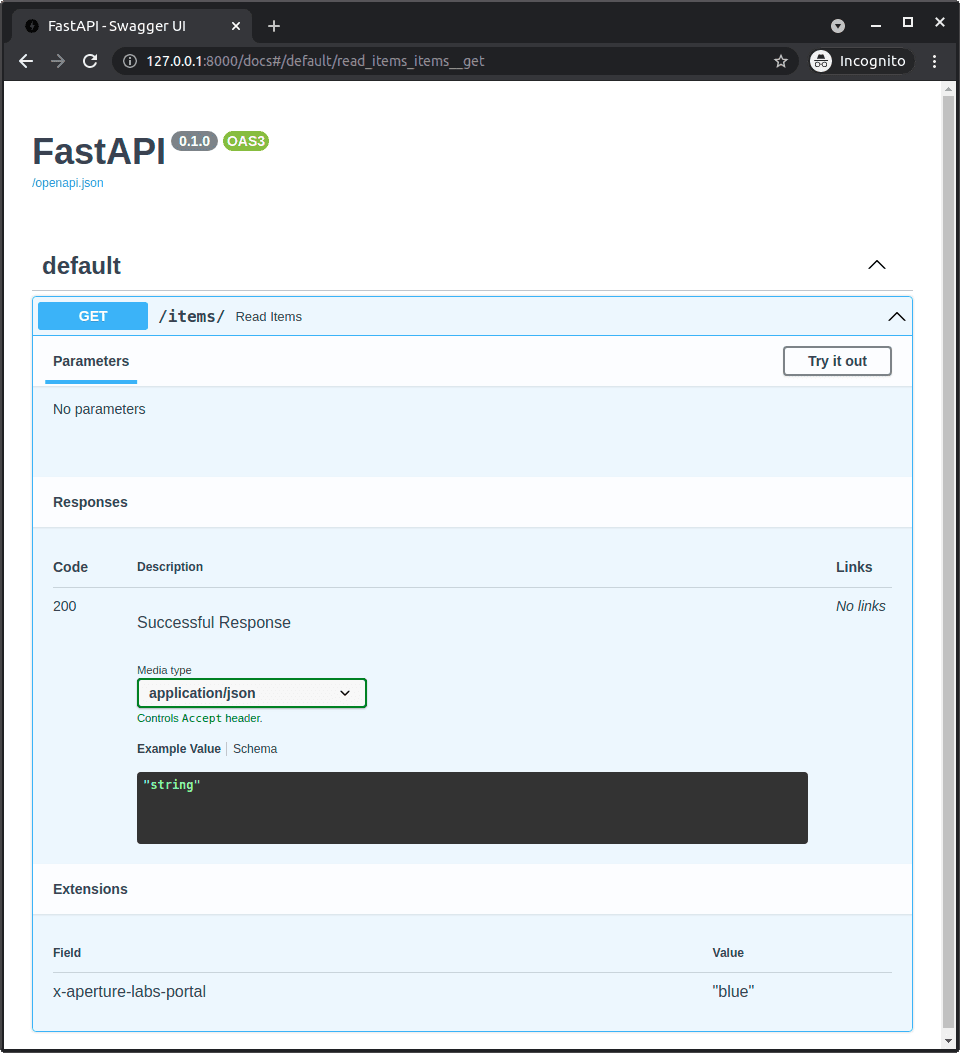
Exclude a FastAPI Endpoint from OpenAPI Docs
Hide an endpoint from your API docs by setting include_in_schema=False. Use this for internal or deprecated endpoints. The footgun: this only hides the endpoint from documentation; it remains fully functional and accessible if the URL is known.
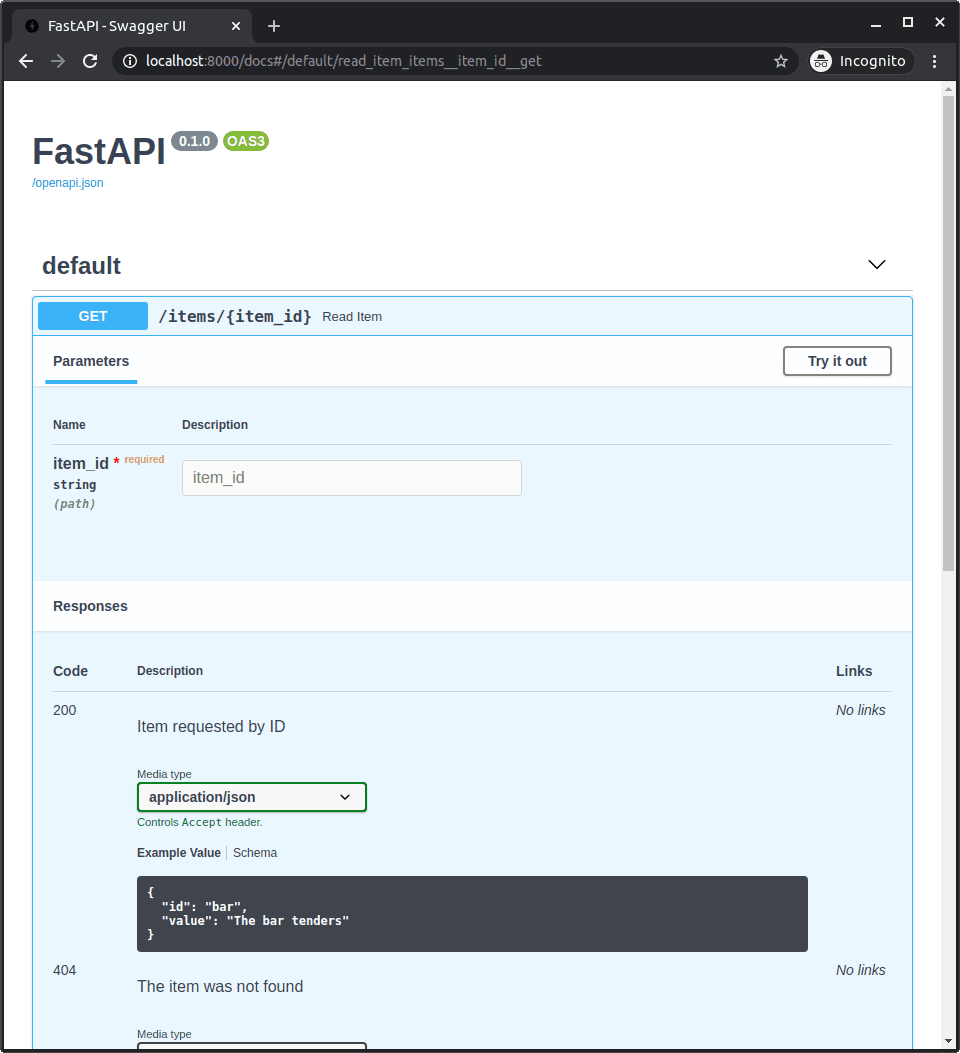
FastAPI: Documenting Additional API Responses
Document every possible API response, not just the happy path. The responses decorator parameter lets you define alternative status codes and schemas, like a 404 error model, making your OpenAPI docs complete.
Testing Async FastAPI with pytest-asyncio
To test async code, your tests must also be async. pytest-asyncio lets you write async def test_... functions to await operations like database checks after an API call.
Run One Test with Many Inputs using pytest.parametrize
Run one test function with many inputs using @pytest.mark.parametrize, avoiding repetitive code. It's ideal for checking a function against various inputs, edge cases, and expected failures. The footgun: mutable parameters like lists are passed by reference.
Custom FastAPI Middleware: The BaseHTTPMiddleware Helper
FastAPI's BaseHTTPMiddleware lets you wrap endpoints to run code before and after they execute. Use it to add custom headers or log request times. The footgun: reading request.body() in the middleware will break the endpoint, as the body can only be read…
Refresh Tokens: Persistent Sessions Without Re-Authentication
A refresh token is a long-lived credential used to get a new, short-lived access token without re-authenticating. It's how apps keep you logged in for weeks. The footgun is storing it insecurely, letting attackers mint access tokens forever.
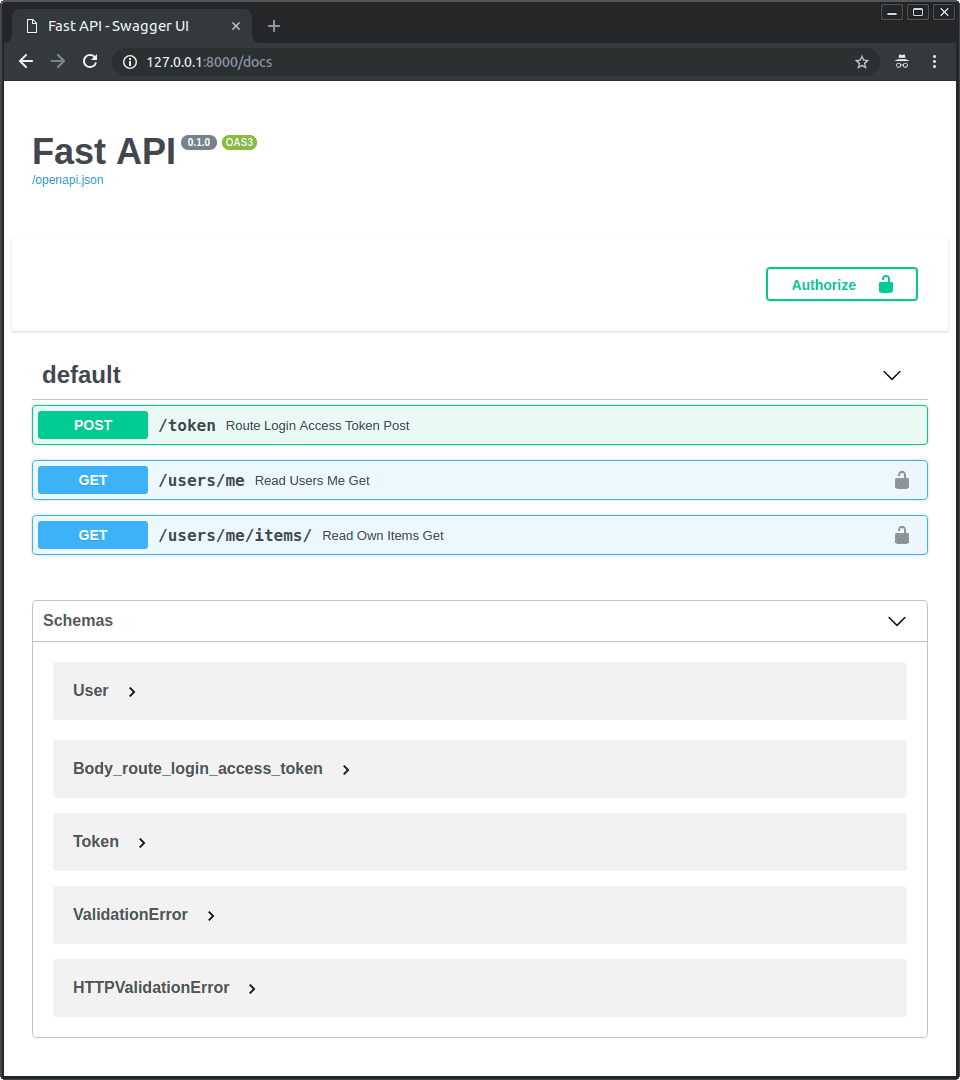
FastAPI RBAC: Using OAuth2 Scopes for Permissions
Treat OAuth2 scopes as a list of permissions. Instead of checking a user's role, you check if their token has the required scope (e.g., items:write) for an endpoint. FastAPI's Security dependency automates this check.
We are hiring for this. Every open role lists the topics its interview covers, so you can prepare for the real thing rather than guessing.
See open roles