Easy everything in Vue, Angular & Svelte, page 3

How does src/routes determine routing in SvelteKit?
Src/routes mirrors URLs, folders become paths, [slug] creates dynamic params, and +page.svelte renders pages.
Why does create-vue ask about Pinia and Vitest during scaffolding?
Tests knowledge of Vue's lean core and modular tooling. Good answers note that create-vue conditionally installs deps, scaffolds folders like src/stores or tests/, and pre-configures Vite so you skip manual wiring.

ng serve purpose and fundamental difference from ng build
Ng serve compiles in memory and serves via a dev server with live reload, while ng build writes output to dist/.

What is the primary end-user benefit of Svelte's compiler-first approach?
Tests if you connect compiler architecture to user-facing performance. Strong answer: build-time work shrinks bundles and reduces browser overhead for faster loads on slow devices. Red flag: answering with developer ergonomics instead of runtime performance.
What out-of-the-box Angular features require manual setup in Vue or Svelte?
Tests whether you understand framework scope tradeoffs. A strong answer cites first-party routing, forms, dependency injection, and Signals, then contrasts them with Vue or Svelte's add-on ecosystem.
Explain Vue as a progressive framework and build-step differences
Tests incremental adoptability. Strong answers define progressive as layer-by-layer adoption, describe script-tag HTML enhancement, and contrast it with compiled SFC SPA toolchains. Red flag: calling Vue lightweight rather than incrementally adoptable.

Universal Rendering: Server-First, Client-Interactive
Universal Rendering sends a pre-built HTML page from the server for a fast load, then adds interactivity on the client. It's the default in frameworks like Nuxt for better SEO, but the footgun is writing code that crashes on the server by assuming a browser.
Static Site Generation: Pre-built Pages for Speed & Simplicity
Static Site Generation (SSG) pre-builds every page of your site into static HTML files, instead of generating them on-demand. This makes sites incredibly fast and cheap to host on a CDN, perfect for blogs or docs. The footgun: build times grow with site size.
Server-Side Rendering: Your App's First Paint Matters
Server-Side Rendering (SSR) sends a fully-formed HTML page from the server, not a blank one. This speeds up the first paint and helps SEO. The footgun is assuming it's always faster; it increases server load and can delay interactivity.
Vue Single-File Components (SFCs)
Vue's Single-File Components (SFCs) bundle a component's template, logic, and styles into one .vue file. A build tool compiles this into browser-readable JS and CSS, turning your template into optimized render functions.
Vue's Virtual DOM: Efficient UI Updates
Vue keeps a JavaScript copy of the UI (the Virtual DOM) in memory. When data changes, it compares a new virtual tree to the old one and efficiently updates only the changed parts of the real DOM, avoiding costly full re-renders.
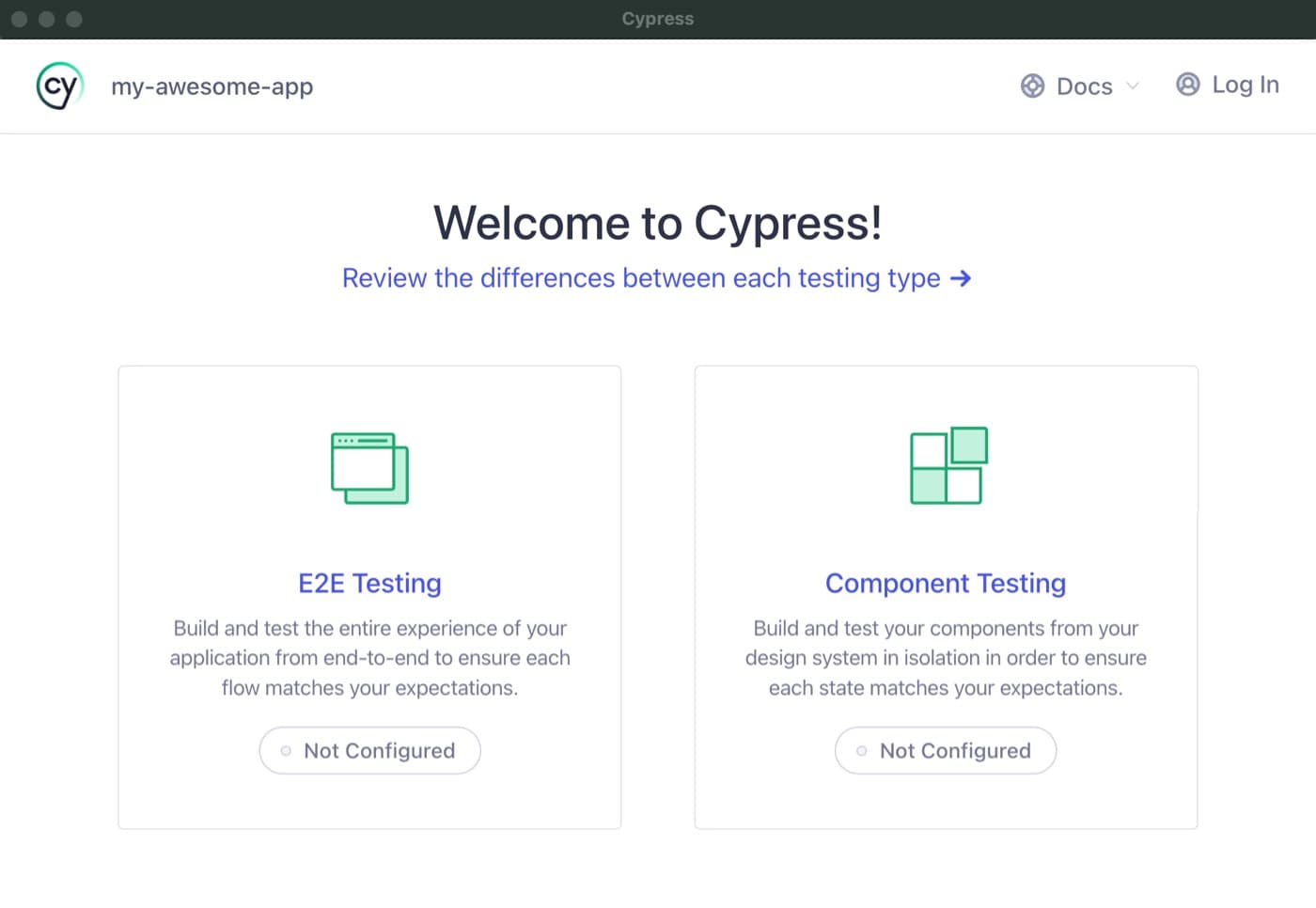
Cypress Component Testing: Test in a Real Browser
Cypress component testing mounts your UI components in a real browser, not a simulated DOM, so you test them exactly as users see them. Use it for faster feedback on individual React, Vue, or Angular components.
Unit Testing Vue Components with Vitest
Think of it as a two-part system: Vue Test Utils mounts your component in a virtual environment, and a runner like Vitest executes the test and reports pass/fail. Use this to verify a component's logic in isolation.
Angular Unit Testing: Jasmine & Karma
Jasmine is your testing script (expect(a).toBe(b)), while Karma is the stage that runs it in a browser. This is Angular's default stack for unit testing components and services to ensure they work in isolation.
Vue's v-once: Render Once, Then Ignore
Use v-once to render a part of your template exactly once. After the initial render, Vue treats it as static content, ignoring future data updates for that element and its children. This is a performance optimization for content that never needs to change.
Angular AOT: Compile Before the Browser
Angular's AOT compiler converts your app into efficient JavaScript during the build process, not in the browser. This means faster rendering and smaller bundles, as the compiler itself isn't shipped.
Vue Custom Directives: For Low-Level DOM Access
Vue custom directives are for low-level DOM access. Use them for tasks like auto-focusing a dynamically inserted input. The footgun is using them for stateful logic or UI structure, where a composable or component is the right tool.
Svelte Actions: Reusable DOM Logic
Svelte Actions let you run code when an element is mounted for direct DOM access. Use them to integrate third-party libraries or add custom events like swipe gestures.
Angular Custom Pipes: Transform Data in Your Templates
An Angular custom pipe is a reusable formatting function for your templates. Use it for common display transformations like currency or date formatting, keeping your component logic clean. Footgun: Avoid slow logic; pipes run often and can kill performance.
Angular Services: Your App's Shared Toolbox
An Angular service is a shared toolbox for your app. Instead of components building their own tools (like an HTTP client), they request a single instance from the dependency injector.
We are hiring for this. Every open role lists the topics its interview covers, so you can prepare for the real thing rather than guessing.
See open roles