All bites
The whole library, newest first. Filter by what you are here for, or pick a topic if you already know.
4247 bites
Page 170
Content Governance: The Rulebook for Your Content
Content governance isn't about writing; it's the rulebook for *how* content is created, managed, and retired. It defines roles, standards, and processes to ensure consistency and quality at scale. The footgun is buying a CMS without a governance plan.
Search Intent: What a User Really Wants
Search intent is the 'why' behind a search query, not just the 'what'. It's essential for SEO and conversion optimization, revealing if a user wants to buy, learn, or navigate. The footgun is matching keywords but ignoring the user's actual goal.

Title Tags: Your Page's Clickable Headline on Google
A title tag is your webpage's clickable headline in search results, acting as its first impression. It appears on SERPs, browser tabs, and social media, helping users and search engines understand your content and boosting click-through rates.

Meta Description: Your Sales Pitch on Google
A meta description is the ~155-character sales pitch for your webpage in search results. It's your chance to convince a user to click your link over others. The footgun: Google may ignore it and show a different snippet if it better matches the query.

HTML Header Tags: More Than Just Big Text
Header tags (<h1>-<h6>) are your page's skeleton, creating a navigable outline for users and search engines. Use a single <h1> for the main title, then nest <h2>, <h3>, etc., for sections.
Long-Tail Keywords: Winning with Specificity
Long-tail keywords are specific, multi-word search queries. While each has low traffic, they collectively form the majority of search volume. Use them to target niche audiences with high intent, like 'waterproof hiking boots for wide feet' instead of 'boots'.

Internal Linking: Your Site's GPS for Users and Bots
Think of internal links as a GPS for your website, guiding users and search engines to important content. It's crucial for SEO, helping bots discover pages and keeping users engaged. Neglecting this creates "orphan pages" that search engines may never find.

Topical Authority: Proving Your Expertise to Google
Prove you're an expert on a whole subject, not just a keyword. Google uses this 'topical authority' system to rank news in health or finance, but the principle applies to any site aiming for credibility. The footgun is thinking it's only for news sites.
Featured Snippets: Earning 'Position Zero' in Google
Featured Snippets are Google's attempt to answer a query directly on the results page, often called "position zero." You win them by structuring content to be the clearest answer to a specific question, but this can sometimes decrease your click-through rate.
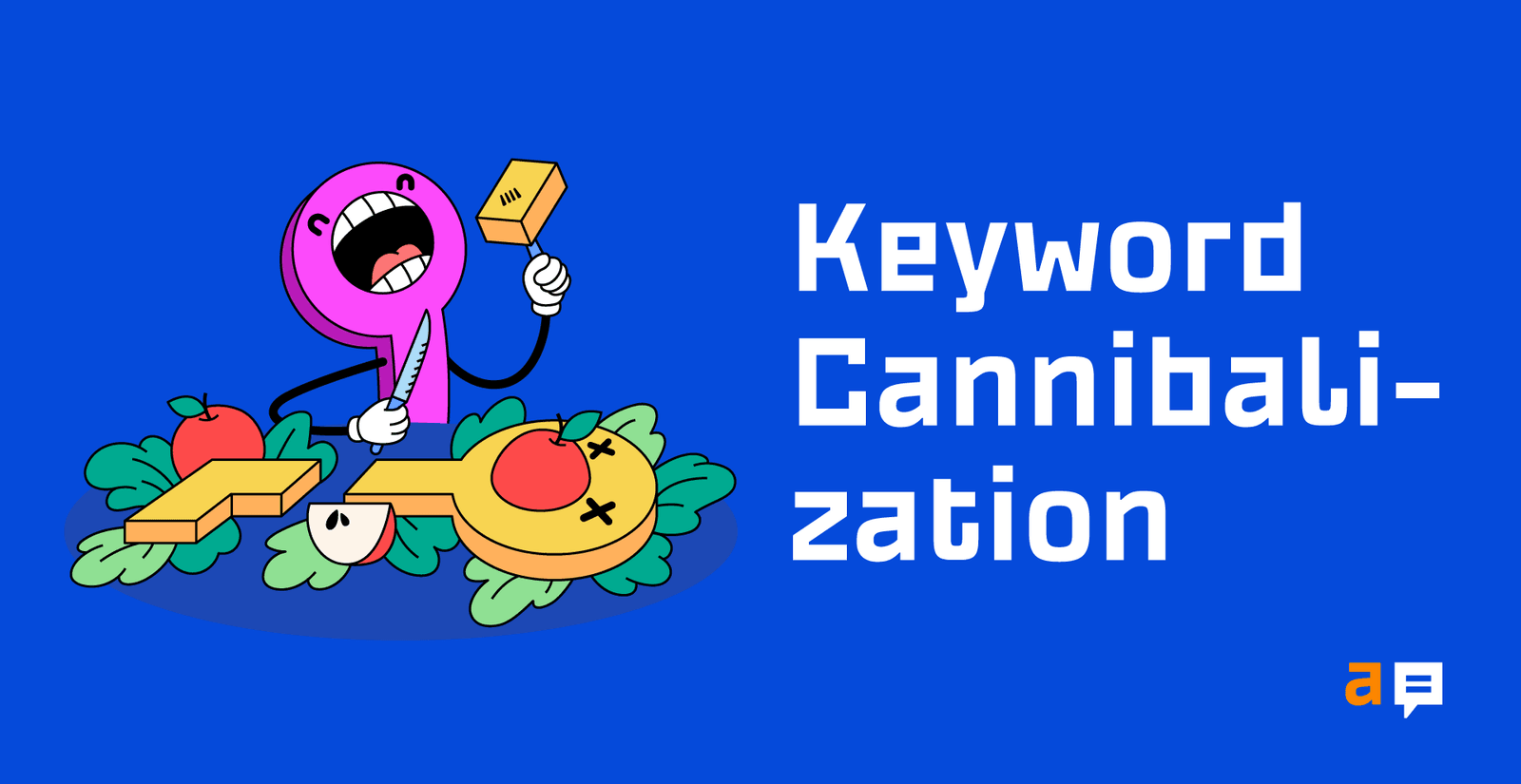
Keyword Cannibalization: When Your Pages Compete Against Each Other
Keyword cannibalization is when your own pages fight for the same search rankings, splitting your authority. This happens when multiple articles target the same keyword and user intent.
TF-IDF Analysis
TF-IDF weights a term by how often it appears in a document against how rare it is across the corpus, surfacing words distinctive to that document rather than ones common everywhere, which powers keyword extraction and search ranking.
Article Schema: A Nutritional Label for Your Content
Article schema is a nutritional label for your content, telling search engines exactly what each part is. Use it for blog posts and news to earn rich snippets, but the footgun is incomplete mapping—just defining the type is not enough.
The Lede: Hook Your Reader in the First Paragraph
The lede is your opening paragraph's promise, telling the reader what the piece is about and why they should care. It's crucial for delivering the main idea upfront in articles or docs. The biggest mistake is 'burying the lede'—hiding the key takeaway.

Scarcity and Urgency: Driving Action by Limiting Supply
Scarcity drives action by making items seem more valuable because their availability is limited. This 'get it before it's gone' effect appears in e-commerce with 'only 3 left' notices or limited-time offers. The footgun is overuse, which erodes trust.
The 4 P's Formula: Picture, Promise, Prove, Push
The 4 P's formula structures persuasive copy in four steps: picture, promise, prove, push. It shines in emails and landing pages that must convert attention fast.
The Rule of One: One Idea, One Message
Stop listing every feature. The Rule of One focuses your entire message on a single, compelling idea to cut through the noise. Use it for landing pages or ads to be persuasive, not overwhelming.

Risk Reversal: Making the 'Yes' Easy for Customers
Risk reversal shifts the perceived risk of a purchase from the buyer to the seller, making the 'yes' easier. This shows up as money-back guarantees, free trials, or performance promises. The footgun is a mismatched guarantee that can be easily exploited.
FUD: Weaponizing Fear, Uncertainty, and Doubt
FUD is a sales tactic that weaponizes fear and doubt to make a competitor's product seem risky. It's used to slow adoption of new tech by spreading negative, often false, information. The footgun is mislabeling any valid technical criticism as FUD.
Long-Form Sales Letter: Closing Without a Salesperson
Think of a long-form sales letter as your best salesperson, cloned on paper. It anticipates every question for a high-value purchase. It's the final step for selling complex services or courses, meant to secure commitment.
The Johnson Box: Your Letter's Executive Summary
A Johnson Box is the key message of a direct mail letter, placed at the top to grab attention. It's for when you have seconds to make your case before the reader discards it. The footgun is burying the lead; the Johnson Box forces it.