All bites
The whole library, newest first. Filter by what you are here for, or pick a topic if you already know.
4330 bites
Page 175

Describe a CI/CD pipeline for a containerized web app
This tests your grasp of automated quality control in software delivery. A strong answer details the CI, build, staging, and production stages, emphasizing quality gates like security scans and E2E tests.
Describe the stages of a CI/CD pipeline for a containerized app
This tests your practical knowledge of automated software delivery and risk management. A strong answer outlines CI, build, test, and deploy stages, including container-specific steps like image scanning and quality gates like automated testing and…
How would you introduce Test-Driven Development to a test-after team?
Tests change management and influence without authority. A strong answer maps TDD to team pain points, pilots it on one story type with measurable outcomes like defect rate. Red flag: mandating TDD team-wide immediately or dismissing existing tests.
How would you introduce TDD to a team?
Tests your ability to drive change pragmatically. A great answer outlines a gradual adoption: start with a pilot, gather data on bug rates and velocity, and scale based on demonstrated value. A red flag is demanding immediate, universal adoption.
How would you introduce TDD to a team?
This tests your ability to influence a team and implement change pragmatically. A great answer outlines a gradual adoption: understand context, advocate with data, pilot on a new feature, then scale. A red flag is demanding a sudden, mandatory switch.

What is the Strangler Fig pattern and its use in legacy modernization?
Tests incremental modernization over big-bang rewrites. A strong answer covers the botanical metaphor, building new components alongside legacy, routing traffic, extracting seams, and four activities. Red flag: a long rewrite delivering no value until launch.
What is the Strangler Fig pattern?
Tests your understanding of gradual legacy system modernization. A good answer defines the pattern (new system grows around old), outlines the steps (identify seams, build, redirect traffic), and links it to Agile's incremental value delivery.
The Strangler Fig Pattern for Legacy System Refactoring
Tests your understanding of gradual legacy modernization and risk management. A great answer defines the pattern (new system grows over old), outlines the process (identify seams, build new, redirect traffic), and contrasts it with risky "big bang" rewrites.
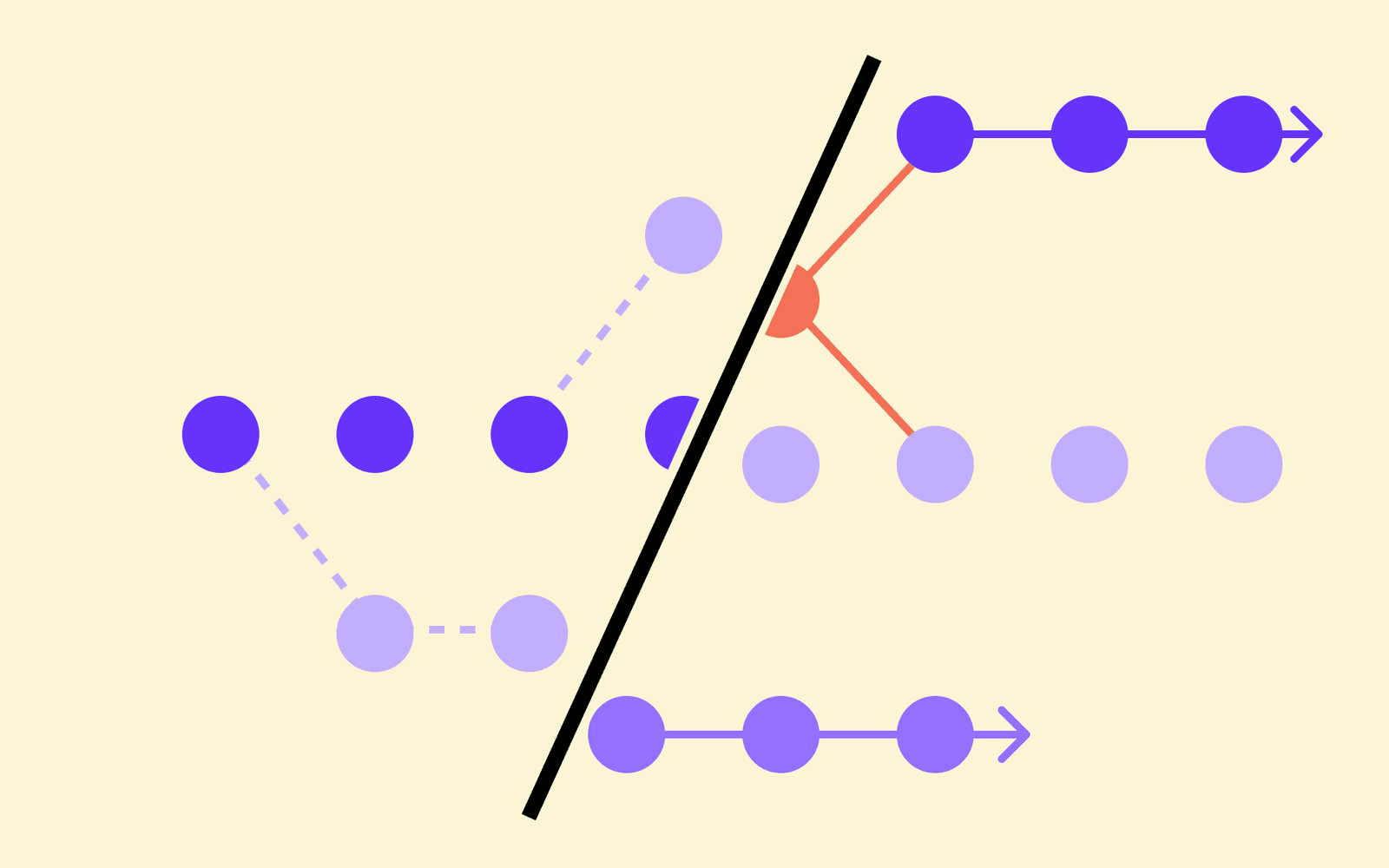
How does trunk-based development with toggles enable frequent, low-risk releases?
Tests decoupling deployment from release via TBD. Strong answers cover daily small trunk merges with toggles hiding unfinished work, plus the cultural leap from GitFlow's isolated branches to continuous integration and toggle hygiene.
Trunk-Based Development vs. GitFlow for High-Frequency Releases
This tests your grasp of modern release strategy. Explain how TBD enables frequent merges to main, while feature toggles decouple deployment from release for safety. Contrast this with GitFlow's versioned release model.
Trunk-Based Development vs. GitFlow for High-Frequency Releases
This tests your grasp of modern CI/CD trade-offs. A great answer explains how TBD's frequent merges to main, decoupled from release by feature flags, enable velocity. Then, contrast this with GitFlow's complexity.
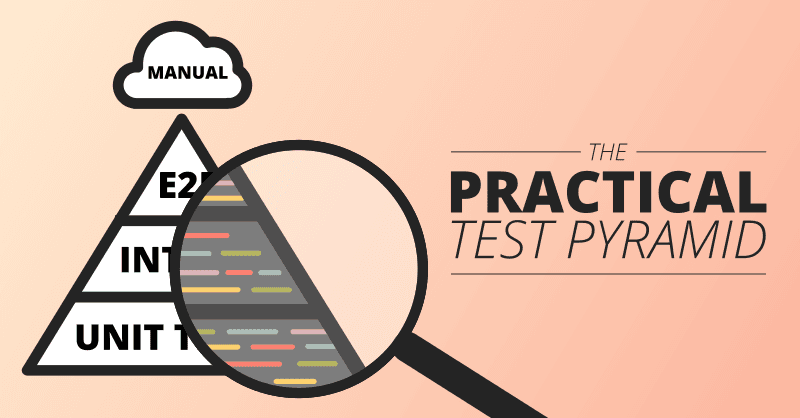
Propose a multi-sprint strategy to fix an inverted test pyramid
Audit E2E for redundancy; scaffold unit/integration tests; migrate per sprint, keep critical E2E; gate on fast feedback.
How do you fix an inverted test pyramid?
This tests your ability to create a pragmatic, multi-sprint plan to improve test suite health. A good answer involves analyzing tests, getting buy-in, then incrementally adding unit/integration tests while refactoring old E2E tests.
How would you refactor an inverted test pyramid?
This tests your ability to create a pragmatic, multi-sprint strategy for tech debt. A good answer includes analyzing the suite, quarantining flaky tests, enforcing new coverage standards, and incrementally refactoring. A red flag is proposing a total rewrite.
When should cross-cutting concerns use a shared versus duplicated solution?
Weigh change frequency and blast radius; decide via fitness function or ADR, not default shared code.
When to formalize a cross-cutting concern?
Tests your judgment on architectural trade-offs. A good answer uses the "Rule of Three," weighs volatility and complexity to decide, and avoids dogmatic DRY. A red flag is immediately abstracting without considering the high cost of a shared solution.
Shared Solution vs. Duplication for Cross-Cutting Concerns
Tests your judgment on trade-offs between duplication, coupling, and velocity. A good answer weighs the cost of premature abstraction against future refactoring, using triggers like the 'Rule of Three' and evaluating the concern's volatility.

What user story details reveal the customer problem?
This tests if you see stories as problem placeholders, not specs. A strong answer asks for user role, action, 'so that' value, and confirmation criteria while demanding conversation. Red flag: listing technical tasks without mentioning the customer problem.
What do you need in a user story beyond technical requirements?
This tests your product sense. A great answer asks for the user persona, the 'why' behind the request, and measurable success metrics. A red flag is focusing only on technical implementation details without understanding the core user problem.
What information do you need in a user story?
This tests your ability to connect engineering work to user value. A great answer covers the user persona (who), their motivation (why), and measurable success criteria (what), explaining how this context informs technical decisions.