All bites
The whole library, newest first. Filter by what you are here for, or pick a topic if you already know.
4330 bites
Page 23
How would you out-engineer a competitor's new data-intensive feature?
This tests strategic design under competition. Strong answer maps competitor's bottleneck, applies distributed sharding or streaming, picks asymmetric edge caching, and locks in latency SLAs. Red flag: no bottleneck analysis or ignoring quantified moats.
How would you scope a one-quarter v1 against a three-quarter solution?
Tests bounded technical debt via stable interfaces. A strong answer defines a thin core, pushes complexity into swappable modules, documents debt ledger, and negotiates scope cuts. Red flag: promising to refactor later without concrete boundaries or ownership.

How would you design a system to monitor competitors' technical changes?
Monitor public bundles and DNS; diff over time; alert on strategic pivots like new checkout APIs.
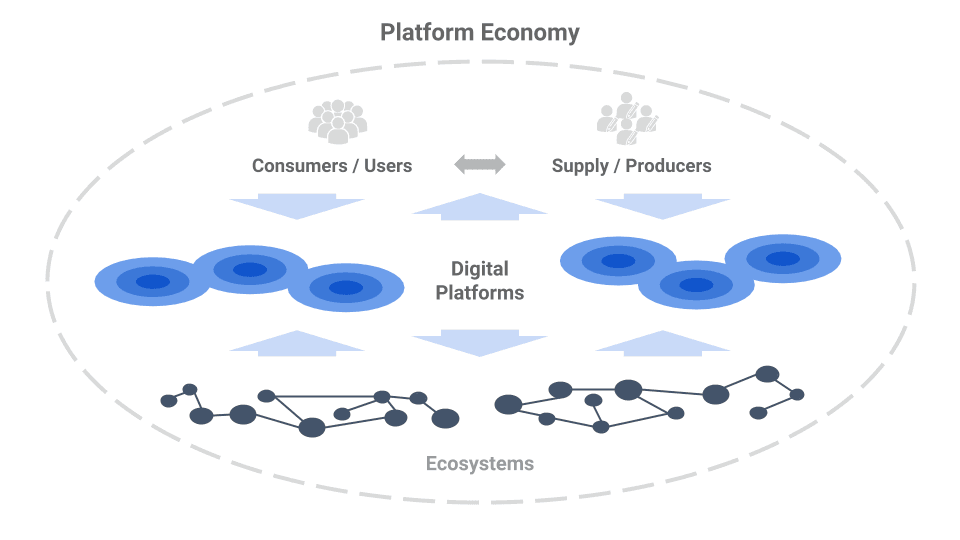
Propose a platform strategy to beat competitor feature velocity
Tests trading feature parity for architectural leverage. Strong answers frame the platform as an intermediary enabling interactions and innovation via self-service APIs, composable primitives, and data loops. Red flag: a shared library creating bottlenecks.
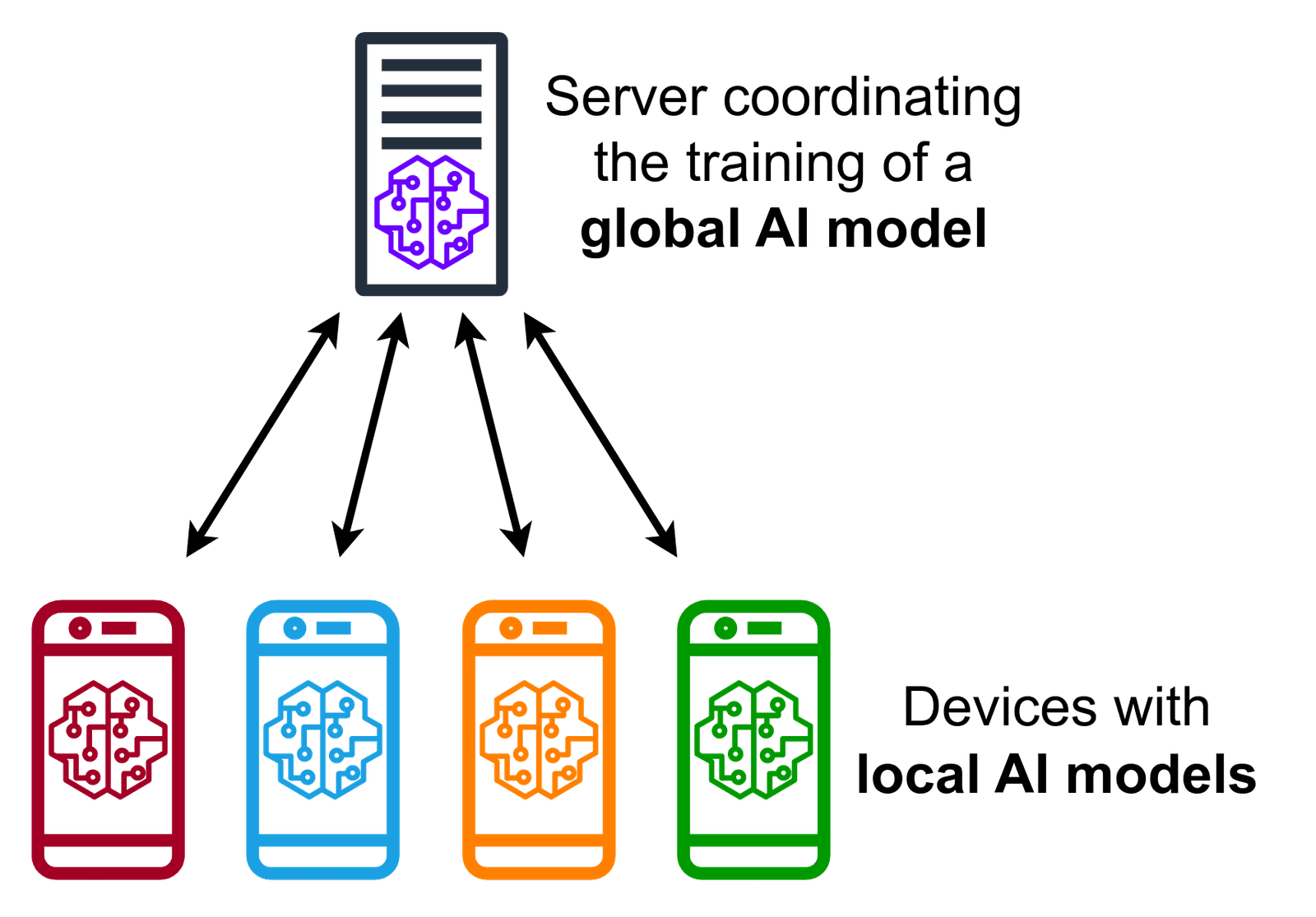
How would you design architecture to sidestep a competitor's proprietary dataset?
Tests architecture without data moats. Strong answers pick asymmetric plays like real-time loops, federated learning, or synthetic pipelines and link them to defensible design. Red flag: buying or copying the dataset.

Architect a fast-follower AI strategy without a research team
Tests asymmetric advantage without a research lab. Strong answers propose a model-agnostic gateway, buy commoditized inference, build proprietary data loops only, and use open-source for control.
What NFRs would you identify for a globally scalable, accessible service?
Tests decomposing vision into architecturally significant requirements. A strong answer pairs global with latency, residency, and failover; accessible with compliance and i18n; then prioritizes by impact.
How do you analyze and present performance trade-offs against a trust vision?
Tests if you frame technical risk through the trust vision. Strong answers quantify speed versus trust cost, present mitigated options with staged rollouts, and assign business risk owners.
How do you translate a non-technical product vision into SLIs and SLOs?
This tests converting qualitative goals into measurable reliability metrics. A good answer identifies user journeys, picks SLIs like latency or yield, sets thresholds from user pain not hardware limits. Red flag: infra metrics like CPU minus user impact.

How would you prove roadmap divergence from vision and correct course?
Quantify coupling, complexity, and service creep; link compromises to feature delays; propose a funded ATD roadmap with milestones.

When is it appropriate for engineering to propose a vision change?
Tests your sense of engineering's strategic boundary: co-creating vision without owning it. Strong answers cite a trigger where tech changes business constraints, outline a 2-week spike on the riskiest assumption, and quantify impact.
What specific metrics define a 'fast' report export?
Propose user-facing latency percentiles and throughput; split SLI from SLO target; pick realistic targets.

How would you technically deconstruct a competitor's magical photo filters?
Tests systematic deconstruction of competitor effects via observation. Strong answers cover black-box testing, signal artifacts, pipeline clues, and latency constraints. Red flag: proposing "just use ML" before defining what makes output magical.

Frame technical trade-offs: 50 chart types versus 5 perfected cores
Tests anchoring technical trade-offs to the value proposition over feature count. Great answers quantify maintenance and DX costs of 50 types, argue depth-first serves "easiest" better, and propose staged validation.
What metrics and instrumentation prove your CI/CD feature saves DevOps time?
Propose pipeline duration and queue time as leading metrics and rollback frequency as lagging.
What architecture makes secure real-time collaboration a defensible moat?
Tests turning marketing claims into technical differentiation. Covers defense in depth, zero-trust networking, client E2EE with user keys, verified components, and compliance automation. Red flag: generic tool lists without explaining replication difficulty.

How would you pivot system architecture from enterprise to startups?
Mapping a business pivot to tech tradeoffs across systems, features, and ops. Cut bloat for speed; shift to self-serve multi-tenant SaaS; automate ops and swap high-touch support for self-serve signup. Calling it simple scale-down not value-chain redesign.
Find a novel value proposition from a recent technology breakthrough
Tests translating a technical breakthrough into product strategy: name an underserved market, quantify economic value, map a minimal build. Pick one tech, define pricing power, list 3-4 parts. Red flag: solution seeking a problem or feature lists sans value.
Top three technical risks when becoming a platform and API mitigations
Tests platform architecture and API governance maturity. A strong answer cites backward compatibility, multi-tenant security, and domain leakage; it proposes versioning, OAuth with rate limits, and facade APIs.
How would you design the backend check for a report quota?
Tests reliable quota enforcement without race conditions. A strong answer uses atomic counts or DB constraints, validates at the service layer, and surfaces a clear 4xx. A red flag is a non-atomic SELECT-then-INSERT pattern.