All bites
The whole library, newest first. Filter by what you are here for, or pick a topic if you already know.
8664 bites
Page 47
What specific metrics define a 'fast' report export?
Propose user-facing latency percentiles and throughput; split SLI from SLO target; pick realistic targets.
Resource-Based View: Win With What You Uniquely Have
The Resource-Based View argues a firm's unique internal resources, not market position, create sustainable advantage. It's used for long-term strategy and M&A. The footgun is overvaluing resources that competitors can easily buy or copy.

How would you technically deconstruct a competitor's magical photo filters?
Tests systematic deconstruction of competitor effects via observation. Strong answers cover black-box testing, signal artifacts, pipeline clues, and latency constraints. Red flag: proposing "just use ML" before defining what makes output magical.
VRIO Framework: Finding Your Competitive Advantage
The VRIO framework is a checklist to see if a resource is a true competitive advantage. Use it to analyze internal assets like patents or expert teams. The footgun is stopping at "Valuable"—a true moat must also be Rare, Inimitable, and Organized.

Frame technical trade-offs: 50 chart types versus 5 perfected cores
Tests anchoring technical trade-offs to the value proposition over feature count. Great answers quantify maintenance and DX costs of 50 types, argue depth-first serves "easiest" better, and propose staged validation.
Your Product's North Star: The Mission Statement
A product mission is your team's compass: a short statement of why the product exists, who it serves, and its core goal. It aligns stakeholders and guides development. The footgun is confusing it with a vision; a mission is what you do now, not a.
What metrics and instrumentation prove your CI/CD feature saves DevOps time?
Propose pipeline duration and queue time as leading metrics and rollback frequency as lagging.

BHAG: The Big Hairy Audacious Goal
A BHAG is a huge, daunting goal that unifies an organization, like NASA's moonshot. It's a 10-25 year objective that is clear, compelling, and has a defined finish line. The footgun is mistaking a vague mission statement for a tangible BHAG.
What architecture makes secure real-time collaboration a defensible moat?
Tests turning marketing claims into technical differentiation. Covers defense in depth, zero-trust networking, client E2EE with user keys, verified components, and compliance automation. Red flag: generic tool lists without explaining replication difficulty.
Product Principles: Your Team's Decision-Making Compass
Product Principles are a team's shared values that guide decision-making, acting as a compass when facing trade-offs. They help prioritize work and maintain consistency. The footgun is creating generic principles that don't help resolve actual conflicts.

How would you pivot system architecture from enterprise to startups?
Mapping a business pivot to tech tradeoffs across systems, features, and ops. Cut bloat for speed; shift to self-serve multi-tenant SaaS; automate ops and swap high-touch support for self-serve signup. Calling it simple scale-down not value-chain redesign.

The Hedgehog Concept: Know Your One Big Thing
The Hedgehog Concept trades scattered efforts for focused strategy. It's the intersection of what you're passionate about, what you can be the best at, and what drives your economic engine. Use it for long-term strategic clarity.
Find a novel value proposition from a recent technology breakthrough
Tests translating a technical breakthrough into product strategy: name an underserved market, quantify economic value, map a minimal build. Pick one tech, define pricing power, list 3-4 parts. Red flag: solution seeking a problem or feature lists sans value.
PR/FAQ: Write the Press Release Before You Build
A PR/FAQ forces you to write the launch press release before writing any code, ensuring you build something customers want. It vets ideas by starting with the customer benefit and working backwards.
Top three technical risks when becoming a platform and API mitigations
Tests platform architecture and API governance maturity. A strong answer cites backward compatibility, multi-tenant security, and domain leakage; it proposes versioning, OAuth with rate limits, and facade APIs.

Visiontype: Prototyping Your 3-5 Year Product Future
A visiontype is an interactive prototype of your product's 3-5 year future, making abstract goals tangible. It aligns teams on a long-term direction, breaking the cycle of purely incremental updates. The biggest mistake is creating it in a silo.
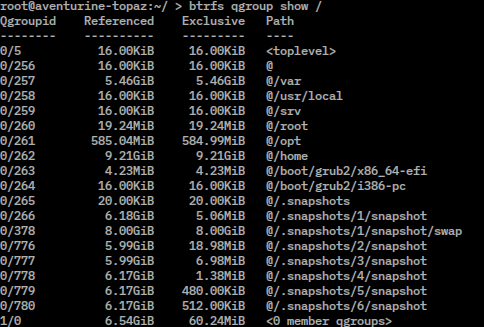
How would you design the backend check for a report quota?
Tests reliable quota enforcement without race conditions. A strong answer uses atomic counts or DB constraints, validates at the service layer, and surfaces a clear 4xx. A red flag is a non-atomic SELECT-then-INSERT pattern.
Positioning Statement: Your Product's Internal Compass
A positioning statement is an internal compass, not a public slogan. It defines your product's unique place in the market for a specific customer, guiding all marketing and product decisions.
Move from flat to usage-based billing
Reliable usage capture, idempotent aggregation into billing periods, and reconciliation with the provider.
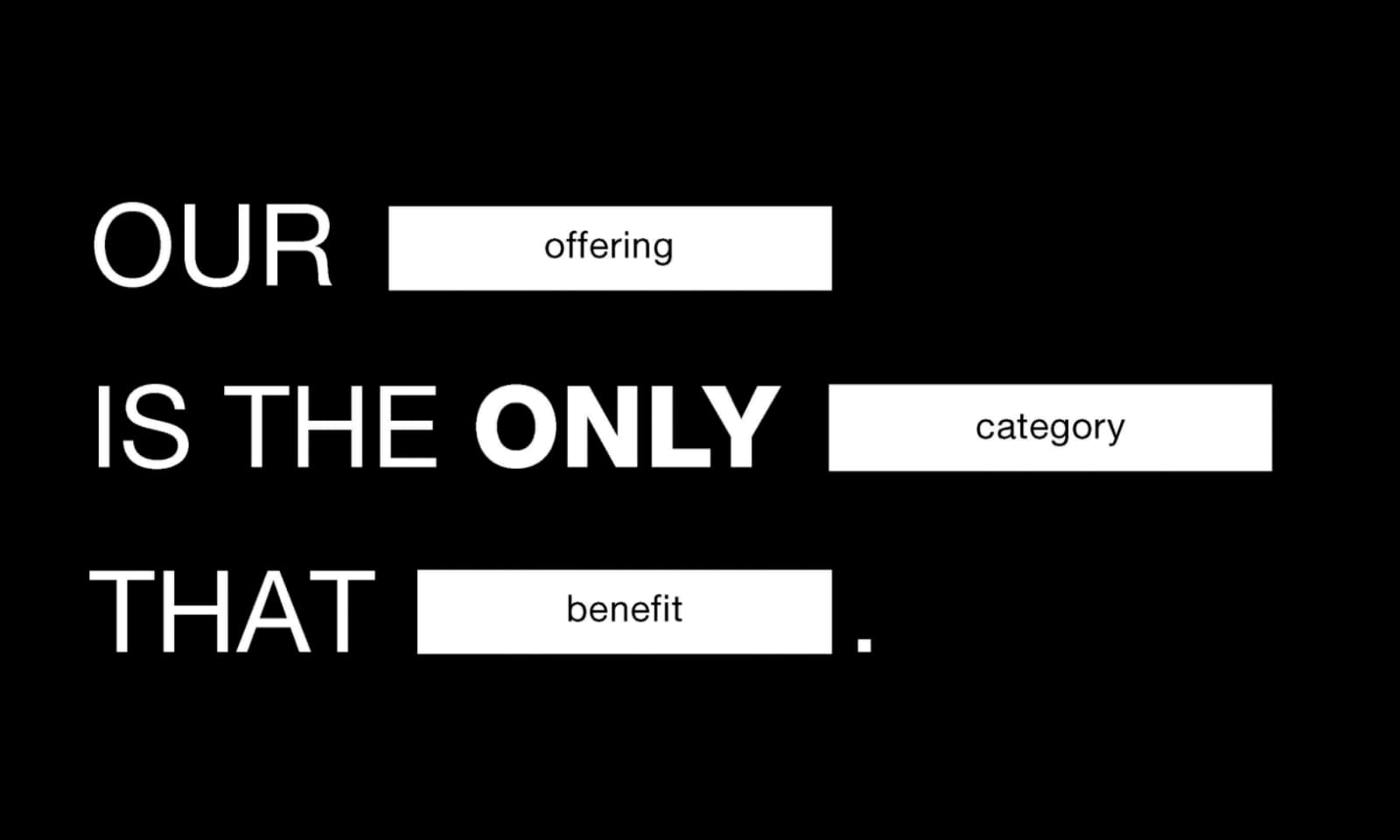
The Onlyness Statement: What Makes You Unique?
The Onlyness Statement forces you to define what makes your product the *only* choice in its category. It's a test of your core business, not just marketing. Use it in strategy meetings to clarify your unique value.