All bites
The whole library, newest first. Filter by what you are here for, or pick a topic if you already know.
8664 bites
Page 55
Working Backwards: Start with the Press Release
Start product development by writing the press release for its launch. This forces you to define the customer benefit first, ensuring a new idea is customer-obsessed before you build. The footgun is starting with tech capabilities, not customer needs.
Designing a usage-based upsell lead system
Capture usage events, define upsell signals like limit-nearing, score in a pipeline, surface scored leads to sales tooling.

Strategic Intent: Winning with Resourcefulness, Not Resources
Strategic Intent is a long-term goal that outstrips your current resources, forcing resourcefulness. Instead of matching resources to opportunities, you set an ambitious target like 'Beat Xerox' and rally the organization to close the gap.
Writing engineering-owned KRs for engagement
Tie KRs to engagement-influencing levers like latency, reliability, and activation; make each measurable and time-bound.
Brand Positioning: Owning a Spot in Your Customer's Mind
Brand positioning is about owning a specific idea in your customer's mind. It's achieved through product differentiation and advertising to make your brand the default answer for a specific need, like Volvo for 'safety.'
Detecting and fixing metric hacking
Look for diverging counter-metrics and anomalous patterns, then pair KRs with guardrail metrics or redefine to a truer proxy.
Category Design: Don't Compete, Create the Game
Instead of fighting for a slice of the pie, bake a new one. Category design creates a new market you can dominate, rather than competing in an existing one. The footgun is thinking a new feature makes a new category; it requires teaching the market.
Getting tech work onto a feature roadmap
Translate debt into velocity, risk, and cost impact; attach it to upcoming features; propose a sustainable allocation.

Repositioning: Changing Minds, Not Just Products
Repositioning changes how customers perceive your existing product. Netflix did this by moving from DVDs to streaming to meet new demand. Don't mistake it for rebranding—repositioning alters the core promise, not just the logo or colors.
Phased rollout with feature flags
Targeting rules by segment, percentage ramps, monitoring at each gate, and a fast kill switch.

MRR and ARR: Two Lenses on Recurring Revenue
MRR and ARR are two lenses on recurring revenue. MRR tracks short-term movement and immediate performance while ARR shows long-term scale. SaaS companies need both to guide present tactics and future strategy.
Designing a tiered entitlements backend
Plans map to features and limits, subscriptions link account to plan, an entitlement check enforces access; handle upgrade/downgrade with effective dates and proration.
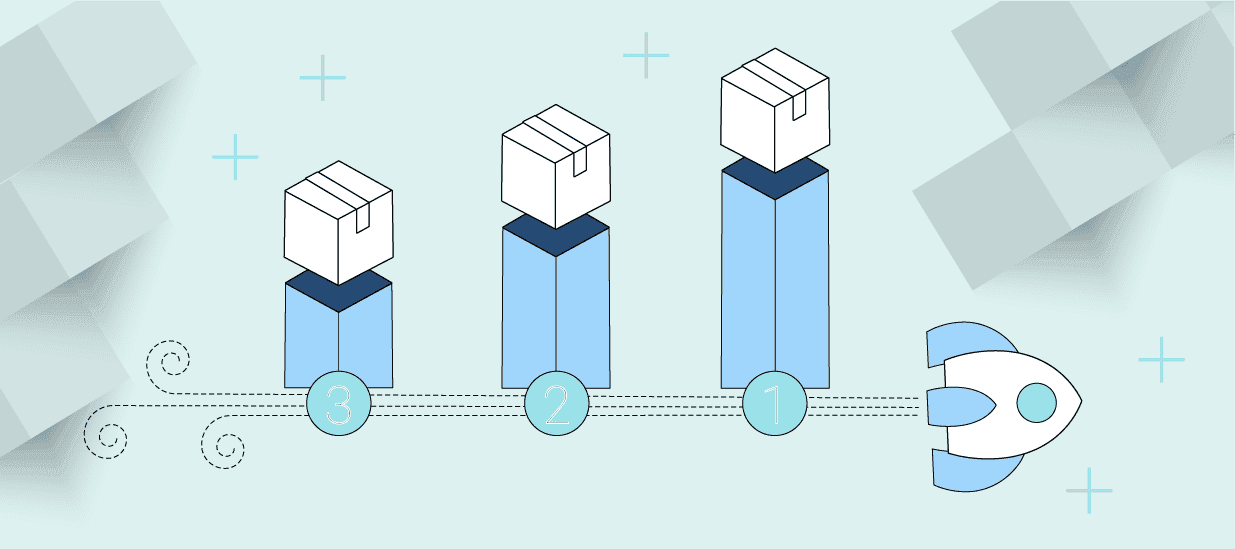
Product Launch Tiers: Right-Sizing Your Go-to-Market
Product launch tiers match marketing effort to business impact. Instead of a one-size-fits-all approach, you classify releases to allocate resources rationally, preventing burnout on minor updates while focusing big efforts on major products.
Event-driven sync between billing and CRM
Billing emits a tier-changed event via outbox to a broker, CRM consumes idempotently with retries and DLQ.
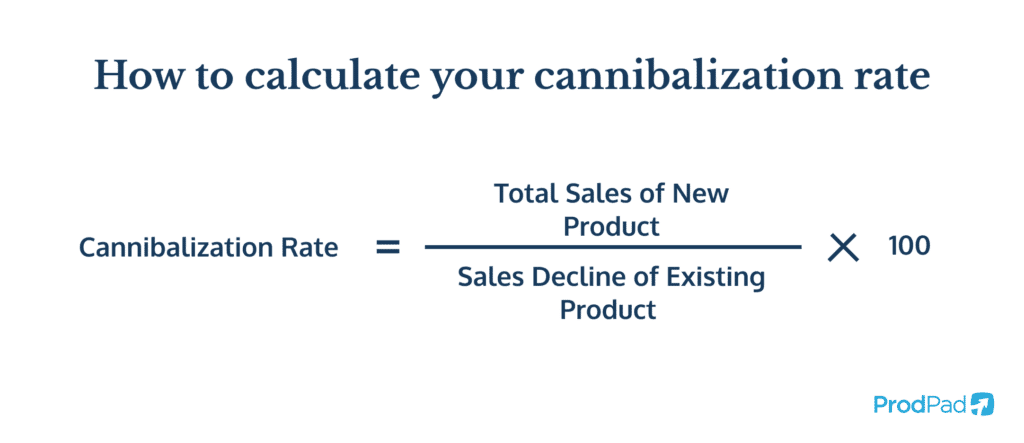
Product Cannibalization: Eat Your Own Lunch
Product cannibalization means competing with yourself before someone else does. Apple famously did this with the iPhone, knowing it would kill the iPod. The footgun is accidentally shrinking your total market share instead of growing it with new offerings.
Building a cross-product case for shared-lib debt
Map each product's exposure and blast radius, quantify risk and migration cost, propose a coordinated phased plan with an owner.

Platform Governance: Enabling Scale Without Chaos
Platform governance provides guardrails for internal tools, letting teams build safely and quickly. It's crucial when a platform's growth creates security risks or duplicated effort. The footgun is reactive governance—only making rules after an incident.
Monorepo vs polyrepo for a product portfolio
Monorepo eases atomic shared-component changes and consistency but needs tooling; polyrepo gives autonomy but version drift; tie choice to deploy independence.

Influence Without Authority: Earn Your Influence Capital
Influence isn't rank; it's 'influence capital' you earn. Product managers use this to lead teams they don't manage by building expertise, strong relationships, and compelling data. The footgun is trying to make big asks before you've made these deposits.
Strict tenant isolation in a multi-tenant data layer
Choose silo, pool, or bridge by risk; enforce tenant scoping at multiple layers with RLS; encrypt and audit.