All bites
The whole library, newest first. Filter by what you are here for, or pick a topic if you already know.
8667 bites
Page 350

Release Trains: Aligning Multiple Agile Teams
A Release Train is a long-lived 'team of teams' (50-125 people) building a large solution together. It aligns multiple Agile teams to a common roadmap, ensuring they deliver value in sync.
Semantic Versioning: The MAJOR.MINOR.PATCH Contract
Semantic Versioning (MAJOR.MINOR.PATCH) is a contract that tells users if an update will break their code. It's used by package managers to safely resolve dependencies.

Lead Time for Changes: From Commit to Production
Lead Time for Changes measures the time from a developer's commit to that code running in production. It's a core DORA metric for assessing DevOps velocity. The key footgun is confusing it with 'Lead Time,' which tracks from idea to delivery.
Calculating Design System ROI
Frame a design system's value with ROI, not just best practices. This translates abstract benefits like speed and consistency into concrete cost savings, justifying the large upfront investment to management. The footgun is assuming its value is self-evident.
Justifying a Design System with Cost-Benefit Analysis
CBA for a design system isn't a spreadsheet; it's a formal argument weighing upfront costs (dev time) against future benefits (faster shipping). Use it to pitch a new system or justify major components.
Thematic Analysis: Finding Meaning in Qualitative Data
Thematic analysis turns messy qualitative data into clear insights. Instead of just counting words, you identify patterns of meaning—or themes—to understand the 'why' behind user feedback, interview transcripts, or support tickets.
Component Detachment Rate: A Design System Health Metric
Component Detachment Rate is a design system health metric, like customer churn. It tracks how often designers must break a component's link to its source to make custom changes, signaling that the component is too rigid or lacks needed variants.

How Design Systems Lower Your UI Bug Rate
A design system is a factory for pre-tested UI parts. By using standardized components instead of hand-crafting them each time, you reduce one-off bugs. This is a key metric for proving a design system's ROI, but teams often fail to track it.

Component Coverage: The 80/20 Rule for Design Systems
Component coverage applies the 80/20 rule to your UI, measuring what's built from a design system versus custom code. It helps track adoption and justify freeing up dev time for unique features.
System Usability Scale (SUS): A Quick Usability Score
The System Usability Scale (SUS) is a 10-question survey that gives a single 0-100 score for a system's perceived usability. It's a quick, industry-standard way to benchmark usability. The biggest footgun: the score is not a percentage; 68 is average.
Codemods: Automate Design System Upgrades
A codemod is a script that refactors your code for you, using an Abstract Syntax Tree for surgical changes. Use it to automate painful design system migrations, like renaming components across many apps.
Gamification for Design System Engagement
Turn design system adoption from a chore into a challenge by applying game mechanics. Use it to track component usage or encourage contributions with leaderboards and achievements.
Branding Your Design System for Adoption
Treat your design system as an internal product. Give it a brand—a mission, vision, and narrative—to drive adoption and ensure consistency. This aligns teams on the 'why' behind the components, not just the visual rules.
Design System Feedback: Start with User Needs
A design system's success depends on feedback from the end-users of the products it builds, not just its internal consumers. Prioritize features and validate designs by continuously testing with real people to ensure the system solves actual user problems.

Licensing Your Open Source Design System
An open-source license legally defines how others can use, modify, and share your design system. It's essential when sharing a system publicly to encourage adoption. The biggest footgun is not choosing one, which defaults your work to 'look but don't touch'.
Contributor License Agreement (CLA): A Legal Pre-Nup for Code
A Contributor License Agreement (CLA) is a legal pre-nup for code contributions, giving the project owner clear rights to use your work. It's used by projects like Angular or Go to avoid legal ambiguity. The footgun is confusing it with the project's license.
Breaking Change Policy: Managing API Evolution
A breaking change policy is a contract with your users, ensuring disruptive API changes are predictable, not chaotic. It governs how you alter shared libraries or design systems, like removing a prop, to prevent downstream failures and maintain trust.
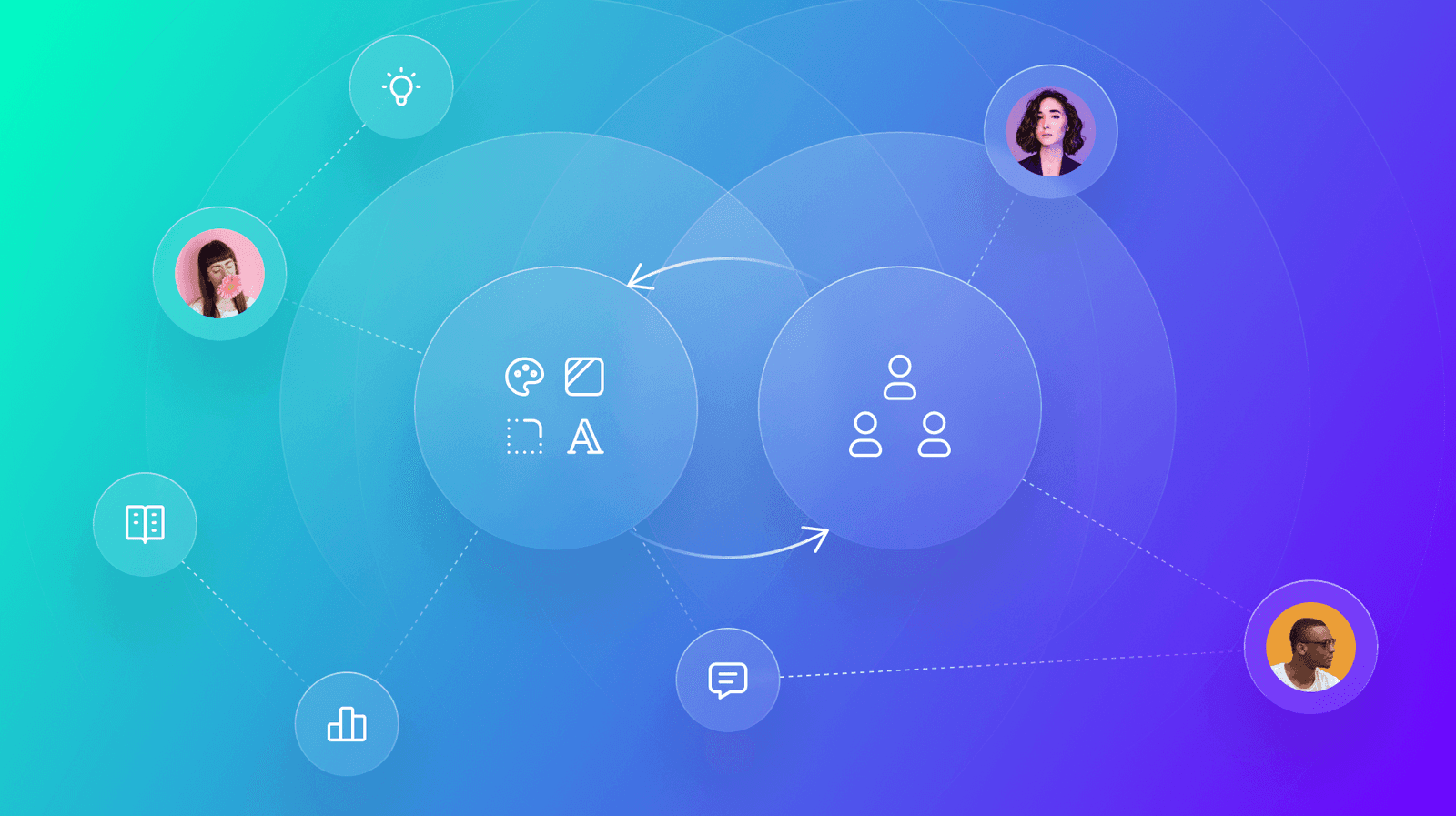
Driving Design System Adoption
A design system's value isn't in its components, but in its use. Drive adoption by creating collaborative feedback loops with users through interactive workshops and dedicated office hours.

Design System Triage: Treating Your DS Like a Product
Treat your design system like a product, not a static library. It requires a triage process to handle bugs and feature requests from its users—your designers and developers. This applies when a component breaks or needs a new feature.
Design System Governance: Preventing UI Drift
Design system governance is the rulebook that stops your UI from becoming a free-for-all. It's used to manage contributions, maintain consistency, and ensure updates are intentional, preventing drift as teams and products scale.